


















⏱️ 5 min read
In crisis situations, whether facing natural disasters, wilderness emergencies, or life-threatening scenarios, some individuals emerge triumphant while others succumb to circumstances. The difference between those who survive and those who don't often has less to do with physical strength or resources and more to do with psychological resilience, decision-making abilities, and specific behavioral patterns. Understanding these distinctions can mean the difference between life and death when facing extreme adversity.
The Mindset of Resilience and Adaptability
Psychological fortitude forms the foundation of survival. Survivors consistently demonstrate an unwavering determination to live, refusing to accept defeat even when circumstances appear hopeless. This mental toughness manifests as an active engagement with their situation rather than passive acceptance of fate. Research into survival psychology reveals that individuals who maintain hope and purpose demonstrate significantly higher survival rates across various emergency scenarios.
Survivors possess what experts call "psychological flexibility"—the ability to adjust expectations and strategies as situations evolve. Rather than becoming paralyzed by shock or denial, they quickly accept their reality and begin working within new constraints. This adaptability allows them to pivot from initial plans when necessary and embrace unconventional solutions that others might overlook or reject.
Decisive Action Over Paralysis
One of the most critical distinctions between survivors and victims lies in their response time and decisiveness. Survivors take action, even when uncertain about the best course. They understand that imperfect action often surpasses perfect inaction. This proactive approach contrasts sharply with the paralysis that often afflicts those who become victims of circumstance.
The concept of "analysis paralysis" frequently contributes to negative outcomes in survival situations. Individuals who spend excessive time deliberating, waiting for ideal conditions, or hoping for rescue without taking self-preservation measures significantly reduce their survival chances. Survivors make decisions with available information, implement them swiftly, and adjust course as new information emerges.
The Will to Live Through Small Steps
Survivors break overwhelming situations into manageable tasks. Rather than focusing on the enormity of their predicament, they concentrate on immediate, achievable goals: finding water in the next hour, building shelter before nightfall, or traveling to a visible landmark. This incremental approach prevents the psychological overwhelm that can lead to giving up entirely.
Knowledge and Practical Skills
While mindset proves crucial, practical knowledge significantly increases survival odds. Survivors often possess foundational skills acquired through training, education, or previous experience. These capabilities might include:
- Basic first aid and injury management techniques
- Fire-starting methods using various materials and conditions
- Water sourcing, purification, and conservation strategies
- Shelter construction appropriate to climate and available resources
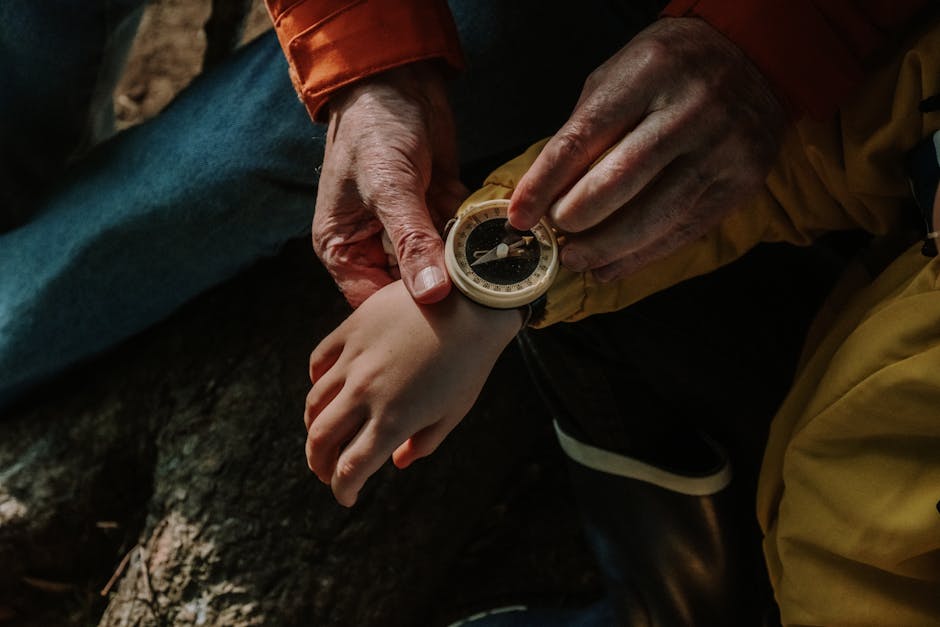
- Navigation skills using natural indicators and basic tools
- Signaling techniques to attract rescue attention
- Understanding of hypothermia, hyperthermia, and dehydration symptoms
Importantly, survivors don't necessarily possess expert-level skills in all areas. Rather, they maintain enough foundational knowledge to make informed decisions and avoid fatal mistakes. They also demonstrate curiosity and learning ability, observing their environment and adapting techniques to available resources.
Emotional Regulation and Stress Management
The ability to manage fear, panic, and despair represents another defining characteristic of survivors. While victims often allow emotions to dictate their responses, survivors acknowledge their feelings without being controlled by them. This emotional regulation enables clearer thinking and better decision-making under extreme pressure.
Survivors employ various techniques to maintain psychological equilibrium. Some use controlled breathing to manage panic responses. Others create mental routines or focus on specific memories that reinforce their determination to survive. Many survivors report talking to themselves, either internally or aloud, providing self-encouragement and working through problems verbally.
The Danger of Negative Thought Patterns
Victims frequently fall into destructive thought cycles that accelerate physical and mental deterioration. Self-pity, blame, and catastrophic thinking drain crucial mental and physical energy. Survivors recognize these patterns and actively redirect their thoughts toward constructive problem-solving and maintaining hope.
Social Intelligence and Cooperation
In group survival scenarios, interpersonal skills become paramount. Survivors demonstrate the ability to cooperate, communicate effectively, and contribute to collective efforts. They balance assertiveness with collaboration, sharing resources and knowledge while also advocating for necessary actions.
Those who adopt either extreme individualism or complete dependency on others face increased risk. Survivors strike a balance, supporting group cohesion while maintaining personal agency and responsibility for their own well-being.
Physical Fitness and Health Awareness
While not always the deciding factor, baseline physical fitness and body awareness provide significant advantages. Survivors tend to understand their physical limitations and capabilities, pacing themselves to avoid exhaustion while maintaining necessary activity levels. They recognize early warning signs of medical issues like dehydration, exposure, or injury complications.
Physical resilience extends beyond athletic capability. Survivors often possess what might be called "physiological awareness"—an understanding of how their body responds to stress, deprivation, and environmental challenges. This awareness enables better resource management and early intervention for developing health problems.
Preparation and Risk Assessment
Many survivors never intended to face emergency situations but had engaged in some level of preparation or maintained awareness of potential risks. This preparation might be as simple as carrying basic emergency supplies, informing others of travel plans, or understanding seasonal weather patterns. These seemingly small precautions create crucial margins for survival when unexpected crises emerge.
Survivors also demonstrate superior risk assessment skills, recognizing danger signs earlier and taking preventive action before situations become critical. This proactive hazard awareness often prevents them from reaching the most desperate circumstances that others face.
The Survivor's Continuous Loop
Ultimately, survival represents a dynamic process rather than a single decision or trait. Survivors continuously cycle through assessment, action, and reassessment. They remain engaged with their circumstances, learning from both successes and failures, and adjusting their approach accordingly. This active participation in their own fate, combined with psychological resilience and practical capabilities, creates the defining separation between those who survive and those who don't. Understanding and cultivating these characteristics can transform anyone's ability to overcome life-threatening adversity.