









1 / 10 Questions
0 Points

What phenomenon describes bees vibrating flowers to release pollen?

Pollen shaking

Buzz pollination

Sonic pollination

Vibration collection

Points won
0
Correct score
0%

More Quizzes

More Articles

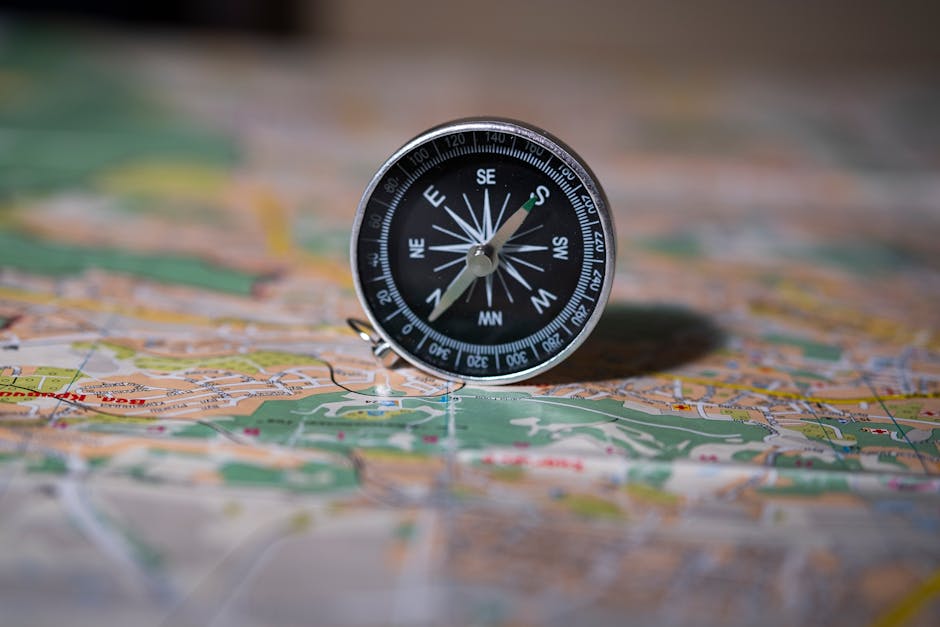
How to Make a Compass Using a Needle and Water

How to Make a Compass Using a Needle and Water

⏱️ 5 min read

In survival situations, knowing your direction can mean the difference between finding help and wandering aimlessly. While modern GPS devices and smartphones have made navigation easier, these tools can fail due to dead batteries, lack of signal, or water damage. Understanding how to create a makeshift compass using simple materials like a needle and water is an essential survival skill that has helped travelers navigate for centuries. This primitive yet effective navigation tool requires minimal supplies and can be constructed in just a few minutes.

The Science Behind a Homemade Compass

A compass works by aligning itself with Earth's magnetic field. The planet functions as a giant magnet with magnetic poles near the geographic North and South Poles. When a magnetized piece of metal is allowed to move freely, it naturally aligns itself along the north-south axis. By magnetizing a needle and allowing it to float on water, the needle becomes a functional compass that points toward magnetic north. This fundamental principle remains the same whether using a sophisticated hiking compass or a simple needle floating in a container.

Essential Materials for Construction

Creating an improvised compass requires only a few basic items that are often available even in challenging survival scenarios:

  • A sewing needle, straight pin, or small piece of ferrous metal wire
  • A container that can hold water, such as a cup, bowl, bottle cap, or leaf
  • Clean water sufficient to fill the container
  • A magnet, piece of silk, or alternative magnetization method
  • A small piece of cork, leaf, or paper to float the needle (optional but recommended)

While these represent the ideal materials, improvisation is key in survival situations. Any ferrous metal object can substitute for a needle, and various natural materials can serve as flotation devices.

Magnetizing the Needle

The most critical step in creating a functional compass involves magnetizing the needle to respond to Earth's magnetic field. Several methods can accomplish this task.

Using a Permanent Magnet

If a magnet is available, stroke the needle repeatedly in one direction from eye to point using the same magnetic pole. Continue this motion at least 30-50 times, always moving in the same direction rather than back and forth. This process aligns the magnetic domains within the steel, creating a temporary magnet. The more strokes applied, the stronger the magnetization becomes.

Silk or Wool Method

Natural fibers like silk or wool can generate a weak magnetic charge through friction. Rapidly stroke the needle in one direction through silk fabric or across wool material approximately 100 times. While this method produces a weaker magnetic field than using a permanent magnet, it can prove sufficient for basic directional finding.

Battery Method

Those with access to batteries and insulated wire can create an electromagnetic field. Wrap insulated wire around the needle multiple times, then connect the wire ends to battery terminals for 30-60 seconds. This method produces a strong magnetic charge but requires specific materials less commonly available in wilderness settings.

Assembling the Water Compass

Once the needle has been magnetized, proper assembly ensures accurate readings. Fill the chosen container with water, leaving minimal space at the top to reduce wave disturbance. The water should be as still as possible for optimal performance.

Floating the Needle

Place a small piece of cork, a leaf, or a small section of paper on the water surface. Carefully position the magnetized needle on top of this floating platform. The needle should rest horizontally across the flotation device. If using the needle without a floating aid, carefully place it directly on the water surface where surface tension can support its weight—though this method proves less reliable and more difficult to achieve.

Allow the needle to settle and stop moving. This may take 30 seconds to a minute. Once stationary, the needle will align itself along the north-south axis, with one end pointing toward magnetic north.

Determining True Directional Bearings

Identifying which end of the needle points north requires additional information or testing. If the approximate direction of north is known based on sun position, landmarks, or other indicators, simply note which needle end points that direction. Without this information, observe the needle's behavior at different times of day or mark one end and track its consistency over multiple readings.

In the Northern Hemisphere, magnetic north lies generally toward the North Star (Polaris) during nighttime. In daylight, the sun rises in the east and sets in the west, providing reference points. Cross-referencing these natural indicators with the needle's orientation helps establish directional accuracy.

Limitations and Accuracy Considerations

While a needle compass provides valuable directional information, understanding its limitations prevents navigation errors. The magnetization gradually weakens over time, requiring re-magnetization after several hours. Metal objects, electronic devices, and geological formations containing iron ore can interfere with readings. Always take multiple readings from different locations to verify consistency.

Magnetic declination—the difference between magnetic north and true north—varies by geographic location and can range from zero to over 20 degrees. For rough navigation in survival situations, this variance typically remains acceptable, but precision navigation requires accounting for local declination values.

Practical Applications in Survival Scenarios

This improvised navigation tool serves multiple survival purposes beyond simple direction finding. When combined with basic map reading skills or knowledge of nearby landmarks, it enables route planning and course correction. Travelers can maintain consistent heading even when visibility decreases due to weather or terrain. The compass also helps in establishing camp orientation, setting up signal markers, or directing rescue parties toward specific locations.

Mastering this technique before emergency situations arise ensures competence when stress levels run high and conditions prove challenging. Regular practice builds confidence and reveals potential problems in controlled environments rather than during actual crises.
Did You Know? The Eiffel Tower Was Almost Sold for Scrap?

Did You Know? The Eiffel Tower Was Almost Sold for Scrap?

⏱️ 5 min read

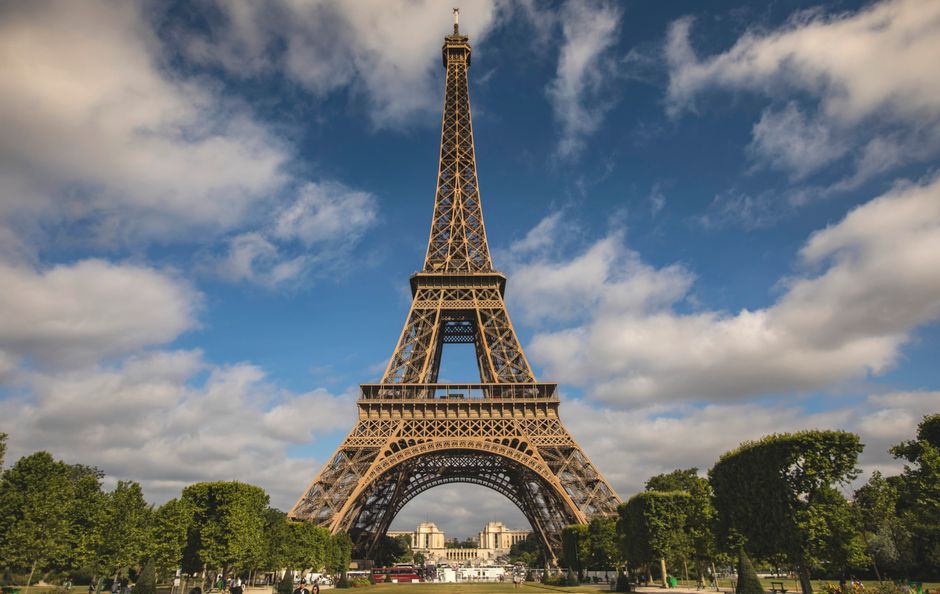
Standing tall at 330 meters above the Parisian skyline, the Eiffel Tower is one of the most recognizable landmarks in the world. Millions of tourists flock to see this iron lattice tower each year, but few know that this beloved monument was never meant to be permanent. In fact, the Eiffel Tower came perilously close to being dismantled and sold for scrap metal on multiple occasions throughout its history.

A Temporary Structure for the 1889 World's Fair

When Gustave Eiffel's company constructed the tower for the 1889 Exposition Universelle (World's Fair), the structure was designed with a specific expiration date. The French government granted Eiffel a 20-year permit, which meant the tower was scheduled for demolition in 1909. The agreement stated that after this period, ownership would transfer to the City of Paris, which would then have the right to tear it down.

The tower was built as a temporary entrance arch and observation tower for the World's Fair, celebrating the centennial of the French Revolution. At the time of its construction, it was the tallest man-made structure in the world, measuring 300 meters to its tip (later extended with antennas). The entire structure weighs approximately 10,100 tons, with the metal framework alone accounting for 7,300 tons of iron.

Early Criticism and Calls for Demolition

From the moment construction began in 1887, the Eiffel Tower faced fierce opposition from prominent Parisian artists, intellectuals, and writers. A group of 300 artists, writers, and intellectuals published a letter, often called the "Artists' Protest," condemning the tower as an eyesore that would disfigure the Parisian landscape.

Notable critics included:

  • Guy de Maupassant, the famous novelist who allegedly ate lunch in the tower's restaurant regularly because it was the one place in Paris where he couldn't see the tower
  • Alexandre Dumas (son of the author of "The Three Musketeers"), who called it a "metal asparagus"
  • Charles Gounod, the renowned composer
  • Émile Zola, the celebrated writer

These critics described the tower as useless, monstrous, and an affront to French architectural aesthetics. They argued that this "metal monstrosity" had no place among the elegant stone buildings and monuments that defined Parisian architecture.

How the Tower Saved Itself: Scientific Value

As 1909 approached, the fate of the Eiffel Tower hung in the balance. Gustave Eiffel, aware of the precarious situation, had been working tirelessly to demonstrate the tower's practical value beyond its role as a tourist attraction. He understood that aesthetics alone would not save his creation from the scrap heap.

The tower's salvation came through scientific and military applications. Eiffel had begun conducting meteorological and astronomical observations from the tower, and he also allowed the French military to conduct experiments in wireless telegraphy. In 1898, Eugène Ducretet successfully transmitted radio signals from the tower to the Panthéon, proving the structure's value for telecommunications.

The Military Telegraph Station

The tower's most crucial function emerged in the early 1900s when it became an essential component of France's military communications network. A permanent radio station was installed, and by 1906, the tower had become indispensable for military wireless telegraphy. This strategic military value proved to be the tower's ultimate salvation.

The French military successfully intercepted enemy communications during World War I using the tower's radio equipment, including the famous Zimmermann Telegram. This military utility made the tower too valuable to demolish, effectively granting it an indefinite reprieve from destruction.

Financial Considerations and Scrap Value

The economic reality of demolishing the Eiffel Tower also played a role in its survival. While the 7,300 tons of iron had substantial scrap value, the cost and logistical challenges of safely dismantling such a massive structure were significant. Engineers estimated that carefully disassembling the tower would be an expensive and time-consuming process, potentially taking years to complete.

Furthermore, by the early 1900s, the tower had already begun generating revenue through entrance fees, restaurant leases, and antenna rental agreements. This income stream made the tower financially self-sustaining, removing the burden of maintenance costs from the city's budget.

The Con Artist Who "Sold" the Eiffel Tower

The tower's uncertain future inspired one of history's most audacious scams. In 1925, a con artist named Victor Lustig read a newspaper article about the tower's deteriorating condition and the city's concerns about maintenance costs. Lustig saw an opportunity and posed as a government official, inviting five scrap metal dealers to a confidential meeting at the prestigious Hotel de Crillon.

Lustig explained that the city had decided to sell the tower for scrap but wanted to keep the decision quiet to avoid public outcry. He successfully convinced one dealer, André Poisson, to pay him a substantial bribe for the contract. After collecting the money, Lustig fled to Austria. Embarrassed by his gullibility, Poisson never reported the crime. Lustig later returned to Paris and attempted the same scam again before authorities caught wind of his schemes.

From Condemned to Cherished: A Complete Reversal

Today, the idea of demolishing the Eiffel Tower seems unthinkable. The structure that was once derided as an ugly, temporary installation has become the symbol of Paris and one of the most visited paid monuments in the world, attracting nearly seven million visitors annually. The tower's journey from condemned structure to cherished landmark demonstrates how public opinion can dramatically shift over time and how practical utility can trump aesthetic criticism in preserving historical structures.