










1 / 10 Questions
0 Points

What phenomenon occurs when groundwater use surpasses natural replenishment?

Hydraulic fracturing

Desalination

Aquifer depletion

Water cycling

Points won
0
Correct score
0%

More Quizzes

More Articles

Why Nostalgia Sells

Why Nostalgia Sells

⏱️ 5 min read

The entertainment industry has discovered a powerful formula for capturing audiences: tapping into the warm glow of yesterday. From reboots of beloved television shows to sequels of classic films released decades ago, nostalgia has become one of the most reliable tools for generating revenue and audience engagement. This phenomenon extends beyond simple marketing tactics—it reflects fundamental aspects of human psychology and cultural dynamics that make looking backward just as profitable as innovating forward.

The Psychological Foundation of Nostalgic Appeal

Nostalgia triggers a unique emotional response in the human brain that combines pleasure, longing, and comfort. When audiences encounter familiar characters, storylines, or aesthetic styles from their past, their brains release dopamine—the same neurotransmitter associated with reward and pleasure. This neurological reaction creates an immediate positive association with the content, making consumers more likely to engage with it financially and emotionally.

Research in psychology has demonstrated that nostalgic experiences serve important psychological functions. They provide a sense of continuity in an ever-changing world, offer temporary escape from present-day stressors, and reinforce personal identity by connecting individuals to their formative experiences. Entertainment companies leverage these deep-seated needs by creating content that serves as a bridge between past and present, offering audiences a controlled return to simpler or happier times.

Risk Reduction in an Uncertain Market

From a business perspective, nostalgia represents a significantly lower risk investment compared to original properties. Established intellectual properties come with built-in recognition, existing fan bases, and proven track records of success. When a studio announces a sequel to a popular film from the 1980s or 1990s, they already know there's an audience waiting—one that has demonstrated willingness to spend money on related merchandise, tickets, and streaming subscriptions over the years.

This pre-existing awareness reduces marketing costs and uncertainty. Rather than building brand recognition from scratch, entertainment companies can activate dormant fan communities and capitalize on decades of cultural penetration. The financial calculations become more predictable, which appeals to investors and studio executives operating in an increasingly competitive and fragmented media landscape.

Multi-Generational Marketing Opportunities

Nostalgic entertainment properties offer a unique advantage: they can simultaneously target multiple demographic groups. Parents who grew up with certain franchises become eager to share these experiences with their children, creating a built-in family viewing or gaming audience. This multi-generational appeal expands the potential market far beyond what a purely contemporary property might achieve.

The entertainment industry has become adept at balancing elements that appeal to original fans while incorporating modern sensibilities that resonate with younger audiences. This approach maximizes revenue potential by:

  • Attracting older consumers with purchasing power and established brand loyalty
  • Introducing classic properties to new generations who become potential lifelong fans
  • Creating shared cultural experiences that bridge age gaps
  • Generating multiple revenue streams through diverse audience segments

The Safety of Familiar Stories in Turbulent Times

During periods of social, political, or economic uncertainty, audiences consistently gravitate toward familiar entertainment. Nostalgia offers psychological comfort by providing predictable narrative structures, recognizable characters, and reassuring resolutions. The entertainment industry has observed this pattern repeatedly during recessions, global crises, and periods of rapid cultural change.

This tendency creates a self-reinforcing cycle where uncertain times increase demand for nostalgic content, which prompts studios to produce more such content, which further normalizes the dominance of nostalgia in the entertainment marketplace. The phenomenon extends across all entertainment sectors, from film and television to video games and music.

Social Media and the Amplification Effect

Digital platforms have dramatically accelerated the nostalgia cycle in entertainment. Social media enables instantaneous sharing of memories, rapid mobilization of fan communities, and viral spread of nostalgia-related content. When a studio announces a reboot or revival, the news can reach millions of potential consumers within hours, generating organic buzz that would have cost millions in traditional advertising.

Furthermore, streaming platforms have made nostalgic content perpetually accessible, allowing older properties to find new audiences continuously. This accessibility means that intellectual property never truly becomes obsolete—it simply waits for the right moment and the right repackaging to generate renewed interest and revenue.

The Economics of Established Intellectual Property

Nostalgic properties offer substantial financial advantages beyond reduced marketing risk. These established franchises come with extensive merchandising opportunities, theme park attractions, licensing deals, and cross-promotional possibilities that have been refined over years or decades. The infrastructure for monetization already exists, requiring only activation rather than creation from scratch.

Additionally, nostalgic properties benefit from what economists call "brand equity"—the accumulated value of recognition, positive associations, and cultural significance built up over time. This equity translates directly into premium pricing power, whether for movie tickets, merchandise, or subscription services featuring nostalgic content.

Creative Constraints and Artistic Considerations

While nostalgia's commercial success is undeniable, it raises important questions about creativity and innovation in entertainment. The heavy emphasis on revivals, reboots, and sequels can limit opportunities for original voices and fresh perspectives. However, the most successful nostalgic properties manage to balance reverence for source material with genuine creative innovation, demonstrating that nostalgia and originality need not be mutually exclusive.

The entertainment industry continues to refine its approach to nostalgic content, learning when to faithfully recreate beloved properties and when to reimagine them for contemporary audiences. This ongoing calibration ensures that nostalgia remains a viable and profitable strategy while still allowing room for the original content that will become tomorrow's nostalgia.

Understanding why nostalgia sells reveals much about contemporary culture, psychology, and commerce. It represents far more than cynical exploitation of fond memories—it reflects genuine human needs for continuity, comfort, and connection in an increasingly complex world. As long as these needs persist, nostalgia will remain a powerful force in entertainment economics.
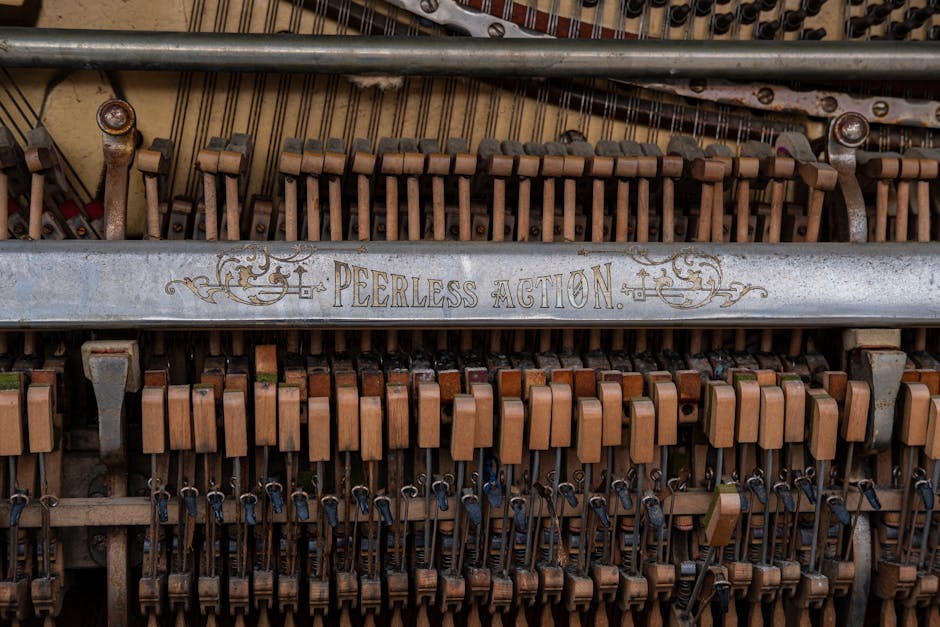
Did You Know? The Piano Has Over 12,000 Parts

Did You Know? The Piano Has Over 12,000 Parts

⏱️ 6 min read

The piano stands as one of the most complex and sophisticated musical instruments ever created. While most people appreciate its beautiful sound and elegant appearance, few realize the intricate engineering marvel hidden beneath its polished exterior. This remarkable instrument contains more than 12,000 individual parts working in perfect harmony to produce the rich, expressive tones that have captivated audiences for centuries. Understanding the complexity of the piano's construction reveals not only the genius of its design but also the meticulous craftsmanship required to create such an extraordinary instrument.

The Intricate Components That Create Musical Magic

The Elaborate String System With Over 200 Individual Strings

At the heart of every piano lies an impressive network of strings that spans the entire length of the instrument. A typical modern piano contains between 220 and 240 strings, each carefully calibrated to produce specific pitches. These strings vary dramatically in length, thickness, and tension, with bass strings measuring several feet long while treble strings may be only a few inches. The total tension exerted by all these strings combined can reach an astounding 20 tons of pressure, requiring an extremely robust frame to withstand such forces.

The Cast Iron Frame That Holds Everything Together

Supporting the massive string tension is the piano's cast iron plate or frame, which serves as the instrument's backbone. This single component can weigh between 200 and 400 pounds in a grand piano. The frame must be precisely manufactured to maintain the exact positioning of strings while resisting the enormous forces trying to pull it apart. This revolutionary innovation, perfected in the 19th century, allowed pianos to achieve much greater volume and tonal quality than their earlier wooden-framed predecessors.

The Soundboard: The Piano's Acoustic Amplifier

Beneath the strings lies the soundboard, a large wooden diaphragm typically crafted from Sitka spruce. This critical component amplifies the vibrations from the strings, transforming them into the rich, resonant sound we associate with the piano. The soundboard must be carefully shaped and tapered to specific thicknesses, with some areas as thin as 3/8 of an inch, allowing it to vibrate freely while maintaining structural integrity. The quality and craftsmanship of the soundboard significantly influence the instrument's overall tonal characteristics.

88 Keys and Their Precision Mechanisms

The standard piano keyboard consists of 88 keys, each connected to a sophisticated mechanical action. These keys are traditionally made from spruce wood and covered with various materials. The white keys were historically covered with ivory, though modern pianos use synthetic materials, while the black keys are typically made from ebony or plastic. Each key must be precisely weighted and balanced to provide the pianist with consistent touch and response across the entire keyboard.

The Complex Action Mechanism With Thousands of Moving Parts

The piano action represents one of the most intricate mechanical systems in any musical instrument. Each key activates a complex series of levers, springs, and hammers involving approximately 70 individual parts per key. This means a full piano contains over 6,000 parts just in the action mechanism alone. These components work together to translate the pianist's touch into precisely controlled hammer strikes against the strings, allowing for an incredible range of dynamic expression.

Felted Hammers That Strike the Strings

Each of the 88 keys has its own hammer covered in compressed wool felt. These hammers must be precisely shaped and voiced to produce the desired tone quality. The density and hardness of the felt dramatically affect the sound, with softer felt producing mellower tones and harder felt creating brighter sounds. Piano technicians spend considerable time voicing these hammers to achieve consistent tonal quality across all registers of the instrument.

The Damper System That Controls Note Duration

Above the strings sits an elaborate damper system consisting of felt-covered dampers that rest against the strings when keys are not being played. When a key is pressed, its corresponding damper lifts, allowing the string to vibrate freely. When the key is released, the damper returns to stop the vibration. This system includes approximately 70 dampers in most pianos, each requiring precise adjustment to function properly without creating unwanted noise.

Three Pedals With Distinct Functions

Most pianos feature three pedals that modify the instrument's sound in different ways. The right pedal, called the sustain or damper pedal, lifts all dampers simultaneously, allowing notes to ring freely. The left pedal, known as the soft or una corda pedal, shifts the entire action slightly, causing hammers to strike fewer strings. The middle pedal, called the sostenuto pedal in grands or a practice mute in uprights, has various functions depending on the piano type. Each pedal connects to complex mechanical linkages involving dozens of additional parts.

Tuning Pins and the Pinblock

Every string in the piano wraps around a tuning pin embedded in the pinblock, a laminated hardwood structure designed to grip these pins with tremendous force. A standard piano contains over 200 tuning pins, each capable of withstanding hundreds of pounds of tension. The pinblock must maintain this grip for years while allowing piano technicians to make fine adjustments during tuning. The quality of the pinblock significantly affects how well a piano holds its tune over time.

The Bridge System That Transfers Vibrations

The piano contains one or more bridges—long strips of hardwood glued to the soundboard—that transfer string vibrations to the soundboard for amplification. The bass bridge and treble bridge are precisely shaped and positioned to optimize tone production across different registers. Small metal pins embedded in the bridges help guide the strings and ensure proper string spacing. The bridge represents another critical element affecting the instrument's sound quality and projection.

Thousands of Screws, Pins, and Fasteners

Holding all the major components together requires an extensive array of screws, bolts, pins, and other fasteners. These thousands of small parts ensure that the frame remains securely attached to the wooden case, that action parts move smoothly, and that all components maintain their proper relationships. Each fastener must be precisely positioned and tightened to specific tolerances to ensure optimal performance and longevity.

The Wooden Cabinet and Structural Framework

The piano's outer case and internal wooden structure provide both aesthetic beauty and crucial structural support. This framework consists of numerous wooden beams, posts, and panels carefully joined together. In grand pianos, the distinctive curved rim is created from multiple layers of hardwood bent and laminated together. The case must be strong enough to support all internal components while being designed to enhance, rather than inhibit, the instrument's acoustic properties.

Conclusion

The piano's complexity becomes truly remarkable when considering that all 12,000-plus parts must work together in perfect harmony. From the massive cast iron frame to the tiniest screw, each component plays a vital role in creating the instrument's signature sound and responsive touch. This extraordinary level of complexity explains why quality pianos require skilled craftspeople months or even years to build, and why they can cost anywhere from a few thousand to hundreds of thousands of dollars. The next time you hear a piano performance, take a moment to appreciate not just the musician's artistry but also the incredible engineering achievement represented by the instrument itself. Understanding the piano's intricate construction deepens our appreciation for this magnificent instrument that has enriched musical expression for over three centuries.