
















1 / 20 Questions
0 Points

What simple machine is a slide at a playground?

Lever

Wheel and axle

Pulley

Inclined plane

Points won
0
Correct score
0%

More Quizzes

More Articles

Behind the Scenes of the First Color TV Broadcast

Behind the Scenes of the First Color TV Broadcast

⏱️ 5 min read

The dawn of color television marked a revolutionary milestone in broadcasting history, transforming how millions of people experienced entertainment and news in their living rooms. While black-and-white television had captivated audiences since the late 1940s, the transition to color represented years of technical innovation, corporate competition, and countless hours of behind-the-scenes preparation that would forever change the media landscape.

The Technical Challenges of Early Color Broadcasting

The journey to the first successful color television broadcast was fraught with significant technical obstacles. Engineers faced the daunting task of transmitting not just brightness information, but also color data, all while maintaining compatibility with existing black-and-white television sets. The bandwidth limitations of the time meant that color information had to be encoded efficiently without compromising picture quality or requiring viewers to purchase entirely new equipment.

CBS and RCA, two broadcasting giants, developed competing color television systems in the late 1940s and early 1950s. The CBS system used a mechanical color wheel that rotated in front of both the camera and the television screen, while RCA's all-electronic system proved more practical and eventually became the industry standard. The technical complexity of synchronizing color signals, maintaining proper hue and saturation, and ensuring broadcast stability required unprecedented engineering precision.

June 25, 1951: CBS Makes History

On June 25, 1951, CBS transmitted the first commercial color television broadcast from New York City. The historic four-hour program featured a variety of performances and demonstrations designed to showcase the vibrant possibilities of color television. Despite being a technological triumph, the broadcast reached only a limited audience—fewer than two dozen specially equipped television sets existed in the New York area at the time.

The CBS broadcast utilized their field-sequential color system, which had received Federal Communications Commission approval in October 1950. However, this system had a critical flaw: it was incompatible with the millions of black-and-white televisions already in American homes. This incompatibility issue would ultimately doom the CBS system in favor of RCA's compatible color technology.

The Studio Environment and Equipment Requirements

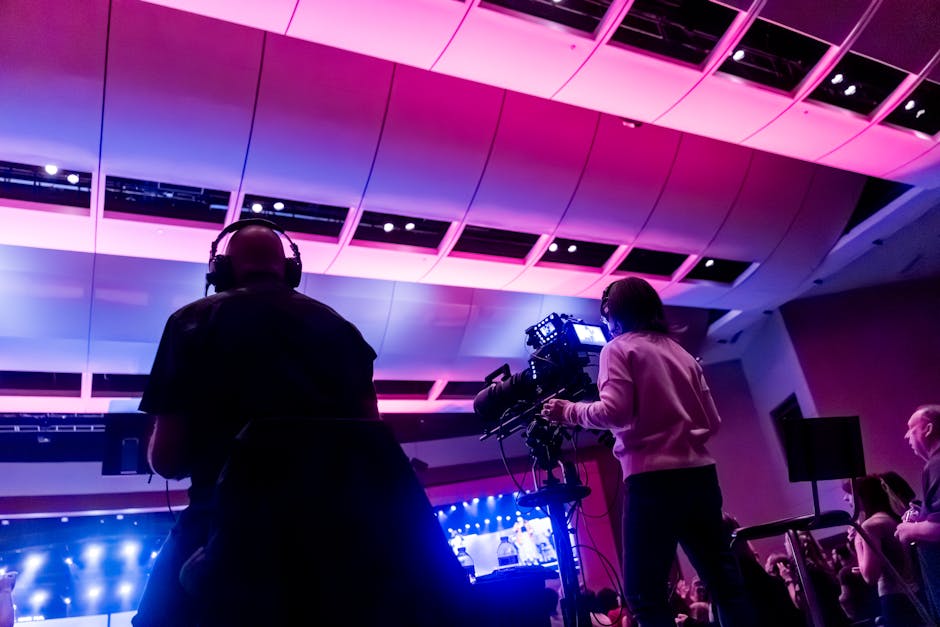
Behind the scenes, the production requirements for color television were exponentially more demanding than black-and-white broadcasting. Studios needed significantly more lighting—approximately three times the illumination required for monochrome broadcasts. The intense heat generated by these powerful lights created uncomfortable working conditions for performers and crew members, with studio temperatures often exceeding 100 degrees Fahrenheit.

Camera operators faced new challenges as well. Color cameras were substantially larger and heavier than their black-and-white counterparts, weighing several hundred pounds and requiring careful calibration before each broadcast. The registration of the three color tubes—red, green, and blue—had to be precisely aligned, a process that could take hours and required constant monitoring throughout the broadcast.

Color Coordination and Set Design

Set designers and costume departments encountered entirely new considerations with color broadcasting. Certain colors that appeared neutral on black-and-white television could appear garish or create technical problems in color. Production teams had to carefully select:

  • Wardrobe colors that wouldn't cause color bleeding or oversaturation
  • Set backgrounds that complemented performers without overwhelming the picture
  • Makeup formulations specifically designed for color cameras
  • Props and furnishings that appeared natural under intense studio lighting

The Transition Period and Dual Broadcasting

Following the initial color broadcasts, networks entered a transitional period where they simultaneously broadcast programs in both color and black-and-white. This dual-standard approach required maintaining two complete sets of equipment and often meant producing certain programs twice. The additional cost and logistical complexity slowed the adoption of color programming throughout the 1950s.

By 1953, the FCC had reversed its decision and adopted the RCA-compatible color system as the national standard. This system, known as NTSC (National Television System Committee), allowed color broadcasts to be received in black-and-white on existing television sets, removing a major barrier to widespread adoption. NBC, owned by RCA, became the leading network in color programming, using color broadcasts as a competitive advantage to attract viewers.

Training the Workforce for Color Production

The shift to color television necessitated comprehensive training programs for broadcast personnel. Camera operators, lighting technicians, directors, and engineers all needed to develop new skills and understanding of color theory. Networks established training facilities where staff could practice with color equipment and learn the nuances of color balance, skin tone reproduction, and color temperature management.

Directors had to reconsider their entire approach to visual storytelling. Shot composition that worked perfectly in black-and-white might appear cluttered or confusing in color. The psychology of color also played a role, as certain hues could evoke emotional responses that weren't factors in monochrome broadcasting.

The Legacy and Long-Term Impact

The first color television broadcasts, despite their limited initial reach, set the stage for a complete transformation of the television industry. By the mid-1960s, all three major American networks were broadcasting the majority of their prime-time programming in color. The technology that seemed impossibly complex in 1951 became standard practice within two decades.

The behind-the-scenes innovations developed for early color broadcasting laid the groundwork for modern television production techniques. Many of the principles of color management, lighting design, and technical standards established during this pioneering era remain relevant in today's digital broadcasting environment. The dedication and ingenuity of those early engineers, technicians, and producers created a foundation that continues to influence how we experience visual media in the 21st century.

Top 10 Most Shocking TV Finales

Top 10 Most Shocking TV Finales

⏱️ 6 min read

Television series finales have the challenging task of satisfying audiences who have invested years in beloved characters and storylines. While some endings provide perfect closure, others have shocked viewers with unexpected twists, controversial decisions, or bold narrative choices that sparked debates lasting years beyond the final credits. These memorable conclusions challenged conventions, defied expectations, and left indelible marks on television history.

The Most Controversial and Surprising Series Conclusions

1. The Sopranos: Cutting to Black at Journey's End

When HBO's groundbreaking mob drama concluded in 2007, creator David Chase delivered one of the most debated endings in television history. As Tony Soprano sat in a diner with his family while Journey's "Don't Stop Believin'" played, the screen abruptly cut to black for ten seconds before the credits rolled. The ambiguous conclusion left millions of viewers wondering if their cable had malfunctioned. The ending sparked endless theories about whether Tony was killed, arrested, or simply continuing his life. Chase's refusal to provide definitive answers transformed the finale into a cultural phenomenon, with fans still analyzing every detail years later.

2. Lost: Revealing the Afterlife

After six seasons of mysteries, mythology, and time travel, Lost concluded in 2010 with a finale that revealed the show's "flash-sideways" timeline was actually a form of purgatory where characters reconnected after death. The spiritual conclusion divided the fanbase sharply between those who appreciated the emotional character resolution and those who felt cheated by the lack of concrete answers to the island's many mysteries. The finale's focus on character relationships over plot explanations represented a bold choice that prioritized emotional truth over satisfying every fan theory.

3. St. Elsewhere: The Snow Globe Revelation

The 1988 finale of this medical drama shocked audiences with a revelation that redefined everything that came before. The final scene revealed that the entire six-season series existed only in the imagination of Tommy Westphall, an autistic boy staring into a snow globe containing a miniature model of the hospital. This meta-fictional twist suggested none of the show's events were real, creating what became known as the "Tommy Westphall Universe Hypothesis" and influencing countless shows that followed with its audacious narrative gambit.

4. Game of Thrones: The Mad Queen's Fall and an Unexpected King

After eight seasons building toward the ultimate battle for the Iron Throne, HBO's fantasy epic concluded in 2019 with shocking character turns that ignited passionate debate. Daenerys Targaryen's sudden transformation into a mass murderer, her death at Jon Snow's hands, and Bran Stark's selection as king felt rushed and unearned to many viewers. The finale became one of the most controversial in television history, with over a million fans signing petitions demanding a remake and the ending significantly impacting the show's cultural legacy.

5. Newhart: Waking Up in a Different Show

The 1990 finale of Newhart pulled off one of television's greatest surprises by revealing the entire eight-season run was a dream. Bob Newhart's character woke up in bed with Suzanne Pleshette, his wife from his previous 1970s sitcom The Bob Newhart Show, suggesting everything viewers watched was his earlier character's nightmare. This brilliant meta-comedy moment, kept secret even from most of the cast, remains one of the most creative and beloved series endings ever produced.

6. Dexter: The Lumberjack Transformation

The 2013 finale of Showtime's serial killer drama stunned audiences with its bizarre conclusion. After faking his death, Dexter Morgan abandoned his son and relocated to Oregon to work as a lumberjack, living in complete isolation. The ending felt disconnected from eight seasons of character development and left fans bewildered rather than satisfied. The widespread disappointment led to the 2021 limited series Dexter: New Blood, which attempted to provide a more conclusive ending to the character's story.

7. Seinfeld: Sentencing the Gang to Prison

The 1998 finale of television's most successful sitcom about nothing concluded by putting Jerry, George, Elaine, and Kramer on trial for violating a Good Samaritan law. The court case brought back numerous characters from the show's nine seasons to testify about the group's selfish behavior. The decision to send the beloved characters to prison for a year shocked viewers expecting a traditional happy ending, and the controversial conclusion disappointed many fans who found it too dark and preachy for the show's typically amoral tone.

8. Dinosaurs: Environmental Catastrophe and Extinction

This 1994 ABC sitcom featuring a family of anthropomorphic dinosaurs ended with genuine apocalyptic horror. The final episode depicted the beginning of the ice age that would cause the dinosaurs' extinction, triggered by corporate environmental destruction. The show concluded with the Sinclair family huddling together as snow began to fall and temperatures dropped, knowing they faced inevitable death. The bleak, haunting conclusion to what was ostensibly a family comedy shocked viewers and remains one of the darkest endings in sitcom history.

9. How I Met Your Mother: The Mother's Death

After nine seasons building toward Ted meeting his children's mother, the 2014 finale revealed that Tracy had been dead for six years, and Ted's real purpose in telling the story was seeking his kids' permission to pursue Robin again. The decision to kill off the title character and reunite Ted with Robin, despite seasons of development showing their incompatibility, enraged fans who felt betrayed by the bait-and-switch. The controversial ending overshadowed much of the show's legacy and demonstrated the risks of filming an ending years before the show's actual conclusion.

10. The Shield: Vic Mackey's Living Hell

The 2008 finale of this gritty police drama provided a shocking conclusion by giving corrupt cop Vic Mackey exactly what he thought he wanted, only to reveal it as a personal hell. After confessing to years of crimes in exchange for immunity and a desk job, Vic found himself trapped in a soul-crushing bureaucratic position, separated from his family, friendless, and forced to live with the consequences of his actions while avoiding prosecution. The psychologically devastating conclusion subverted expectations by making survival feel worse than punishment.

Lasting Impact on Television Storytelling

These ten shocking finales demonstrate the power of series endings to generate discussion, controversy, and lasting cultural impact. Whether through ambiguity, unexpected character choices, meta-fictional twists, or devastating conclusions, these shows took creative risks that defined their legacies. While not all succeeded in satisfying their audiences, each pushed boundaries and challenged conventional expectations of how television stories should end. They remind us that the journey matters as much as the destination, and sometimes the most memorable endings are those that refuse to provide easy answers or comfortable resolutions.