









⏱️ 5 min read
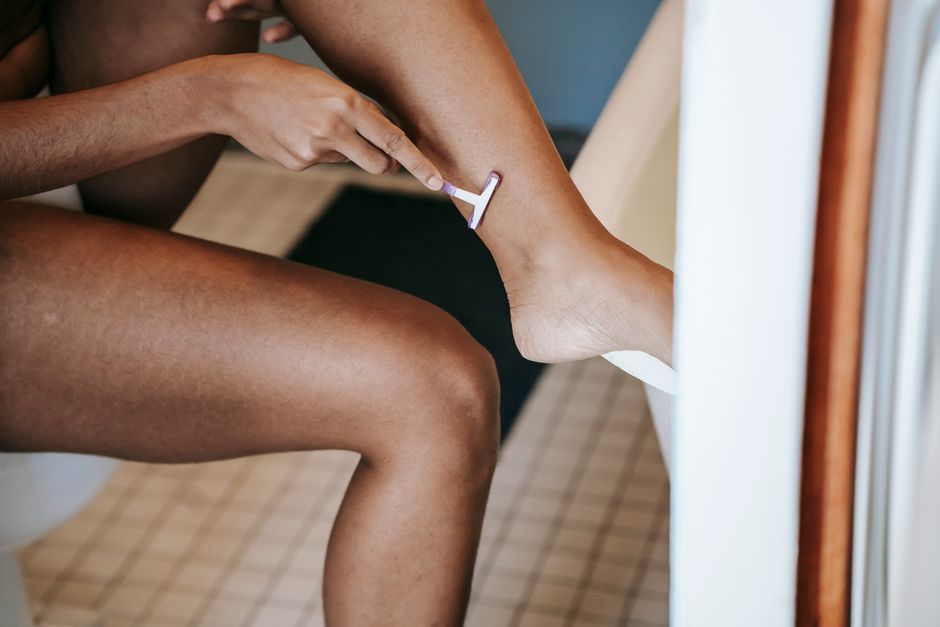
For decades, smooth, hairless legs have been a distinguishing characteristic of competitive cyclists. This practice, which has become deeply ingrained in cycling culture, often puzzles outsiders who wonder why athletes would dedicate time to such meticulous grooming. However, leg shaving in cycling is far from mere vanity—it serves multiple practical purposes that can genuinely impact performance, safety, and recovery. Understanding the reasons behind this tradition reveals much about the sport's demands and the lengths to which cyclists go to optimize their performance.
Aerodynamic Advantages and Performance Gains
One of the most frequently cited reasons for shaving legs involves aerodynamics. In a sport where races can be decided by fractions of a second, even marginal gains become significant. Wind tunnel testing and research studies have demonstrated that hair-free legs can reduce air resistance, though the exact magnitude of this benefit remains debated within the cycling community.
A study conducted by Specialized's Win Tunnel found that removing leg hair could save approximately 50-80 seconds over a 40-kilometer time trial at racing speeds. While this might seem minimal, in professional cycling where stage victories and championship titles are often determined by mere seconds, such advantages cannot be ignored. The smoother surface created by shaved legs allows air to flow more efficiently around the limbs, reducing turbulent drag that would otherwise slow a rider down.
For time trialists and track cyclists, where aerodynamics play an even more critical role than in road racing, shaved legs are considered an essential part of equipment optimization, just like aerodynamic helmets and skinsuits. While recreational cyclists may not experience the same dramatic benefits, the practice has become so universal that it transcends competitive necessity and enters the realm of cultural tradition.
Wound Care and Hygiene Benefits
Cycling, particularly at high speeds in large groups, carries inherent risks. Road rash—the painful skin abrasion that occurs when a cyclist falls and slides along pavement—is an unfortunate but common occurrence in the sport. Shaved legs provide significant advantages when dealing with such injuries.
Medical professionals and team soigneurs can clean and dress wounds much more effectively on hairless skin. Hair can trap dirt, bacteria, and debris in scrapes and cuts, increasing the risk of infection and complicating the healing process. When treating road rash, bandages and medical tape adhere better to smooth skin and cause considerably less pain during removal and dressing changes.
The cleaning process itself becomes less agonizing without hair. Anyone who has experienced having antiseptic scrubbed into a hairy, abraded wound understands this benefit immediately. For professional cyclists who may need to continue training or racing shortly after a crash, the improved wound management that shaved legs provide can make a meaningful difference in recovery time and comfort.
Massage Therapy and Muscle Recovery
Professional cyclists receive regular massage therapy as part of their training and recovery protocols. These massages help flush lactic acid from muscles, improve circulation, reduce inflammation, and maintain muscle suppleness throughout demanding race schedules. Shaved legs make these therapeutic sessions significantly more effective and comfortable for both the athlete and the massage therapist.
Massage oils and creams glide smoothly across hairless skin, allowing therapists to work more efficiently and apply consistent pressure without pulling hair or causing discomfort. This enables deeper, more effective muscle work that aids recovery. A typical massage session might last 30 to 60 minutes, and performing this on hairy legs would be considerably less pleasant and potentially less beneficial.
For cyclists who receive daily massages during multi-stage races, the cumulative advantage of smooth legs becomes substantial. The therapist can focus entirely on the muscle work rather than fighting against hair resistance, making each session more productive for the athlete's recovery.
Psychological and Cultural Significance
Beyond the practical benefits, leg shaving carries significant cultural weight within the cycling community. Smooth legs serve as a visual identifier, signaling that someone takes the sport seriously and belongs to the cycling tribe. This tradition creates a sense of unity and professionalism among cyclists worldwide.
The ritual of shaving legs can also serve as a psychological preparation tool. For many cyclists, this grooming routine marks the transition from off-season to racing season, creating a mental shift toward competition mode. The act becomes a commitment statement—a visible demonstration of dedication to the sport that reinforces an athlete's identity as a serious cyclist.
This cultural aspect should not be dismissed as superficial. In endurance sports where mental fortitude often determines success as much as physical capability, rituals that strengthen athletic identity and commitment provide genuine psychological benefits. When cyclists look down at their smooth legs during difficult training rides or races, they're reminded of their preparation and their connection to a larger cycling tradition.
Aesthetic Muscle Definition and Sponsorship Considerations
Shaved legs showcase muscle definition more clearly, which matters both personally and professionally for cyclists. The developed quadriceps, defined calves, and lean lower limbs that result from extensive training become more visible without hair coverage. For professional cyclists who represent sponsors and appear in media coverage, this enhanced muscle visibility contributes to the sport's visual appeal and the athletic image that brands want to project.
Photography and videography, which are integral to modern cycling media and promotion, benefit from the clean lines that shaved legs provide. Team photos, victory celebrations, and sponsor content all look more polished and professional when athletes' legs display clear muscle definition rather than being obscured by hair.
Debunking Common Misconceptions
Despite the legitimate reasons cyclists shave their legs, several myths persist. Some believe that shaved legs make cyclists faster simply by reducing weight, but the minimal mass of leg hair makes this negligible. Others claim that shaved legs help with temperature regulation or reduce chafing, though evidence for these benefits is limited at best.
The practice continues primarily because of the documented advantages in aerodynamics, wound care, massage therapy, and cultural tradition rather than these unsubstantiated claims. Understanding the actual reasons helps both cyclists and observers appreciate this distinctive aspect of cycling culture based on its genuine merits rather than misconceptions.