




1 / 10 Questions
0 Points

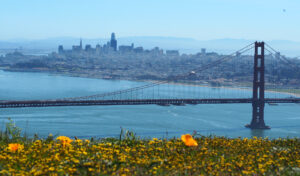
What year was the Golden Gate Bridge in San Francisco completed?

1957

1937

1947

1927

Points won
0
Correct score
0%

More Quizzes

More Articles

10 Amazing Facts About American Presidents

10 Amazing Facts About American Presidents

⏱️ 7 min read

The American presidency stands as one of the most powerful and scrutinized positions in the world, yet behind the formal portraits and official ceremonies lie fascinating stories that reveal the human side of these leaders. From unusual hobbies to groundbreaking achievements, the men who have held the nation's highest office have left behind a legacy filled with surprising and captivating details that often escape the history books.

Remarkable Presidential Trivia That Changed History

1. Thomas Jefferson's Mammoth Cheese Gift

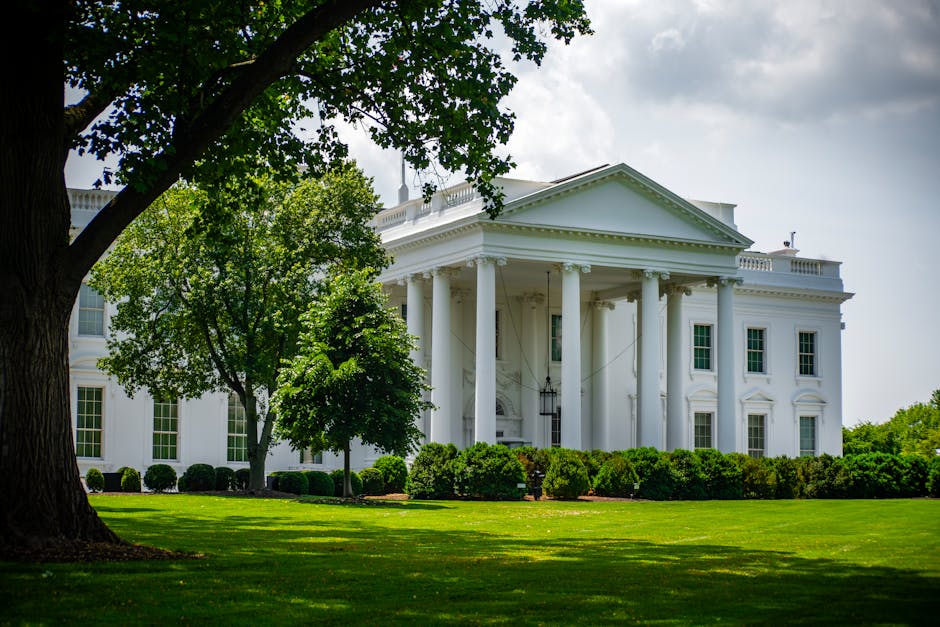
In 1802, President Thomas Jefferson received one of the most unusual gifts ever presented to a sitting president: a 1,235-pound block of cheese. Created by Baptist farmers from Cheshire, Massachusetts, this enormous wheel of cheese was dubbed the "Mammoth Cheese" and took the milk of 900 cows to produce. The cheese sat in the White House for over two years, and Jefferson eventually served it at a public reception in 1805. This peculiar gift symbolized the democratic spirit of the young nation, as it was given by common citizens to their president, and Jefferson's decision to share it publicly reinforced his commitment to accessibility and republicanism.

2. John Quincy Adams' Morning Swimming Routine

John Quincy Adams, the sixth president of the United States, maintained an extraordinary daily habit that would seem unusual for any president, particularly one in the 19th century. Adams would wake at dawn and walk to the Potomac River, where he would strip naked and swim for hours. This routine continued well into his presidency, with Adams often swimming across the river and back, sometimes covering several miles. Legend has it that journalist Anne Royall once took advantage of this habit by sitting on his clothes until he agreed to grant her an interview, making her possibly the first woman to interview a sitting president.

3. Abraham Lincoln's Wrestling Championship Past

Before becoming one of America's most revered presidents, Abraham Lincoln was an accomplished wrestler with a remarkable record. Standing at 6'4" with long arms and immense strength from years of manual labor, Lincoln reportedly competed in approximately 300 wrestling matches and lost only one. His most famous bout occurred in 1831 when he faced Jack Armstrong, the leader of a group called the Clary's Grove Boys. Lincoln's wrestling prowess was so respected that he was eventually inducted into the National Wrestling Hall of Fame in 1992, making him the only president to receive this honor.

4. Theodore Roosevelt's Eyesight Secret

Theodore Roosevelt, known for his robust image and "speak softly and carry a big stick" philosophy, harbored a physical disability that few knew about during his presidency. In 1908, while boxing in the White House, Roosevelt took a punch that left him permanently blind in his left eye. Rather than publicizing this injury, Roosevelt kept it secret, fearing it would undermine his strong, vigorous public image. He continued his active lifestyle, including horseback riding, hiking, and other physical activities, all while compensating for his limited vision. This injury remained largely unknown to the public until after he left office.

5. James Garfield's Ambidextrous Writing Ability

James A. Garfield possessed a remarkable cognitive ability that set him apart from his peers: he could write in two languages simultaneously. Garfield was ambidextrous and could write ancient Greek with one hand while writing Latin with the other, both at the same time. This extraordinary skill demonstrated his exceptional mental capacity and classical education. Garfield was also a professor of classical languages before entering politics, and his intellectual achievements extended to his ability to write in multiple languages and his deep understanding of mathematics and literature.

6. Herbert Hoover's Polyglot Privacy Method

Herbert Hoover and his wife Lou had an unusual method of maintaining privacy in the White House: they spoke to each other in Mandarin Chinese. The Hoovers had lived in China during the Boxer Rebellion, where they both learned to speak the language fluently. When they wanted to have private conversations without staff, guests, or reporters understanding, they would simply switch to Mandarin. This linguistic skill proved invaluable during Hoover's presidency, allowing the couple to discuss sensitive matters openly while maintaining confidentiality, a luxury few other presidential couples enjoyed.

7. Andrew Jackson's Profane Parrot Scandal

Andrew Jackson owned a African Grey parrot named Poll who became infamous for his vocabulary. Jackson reportedly taught the bird to swear, and Poll picked up quite an extensive collection of profanities. The parrot's most memorable public appearance came at Jackson's funeral in 1845, where Poll had to be removed from the service for squawking obscenities at the mourners. Reverend William Menefee Norment, who officiated the funeral, later recounted that the bird's language was so blue that it shocked even the rough frontier crowd that had gathered to pay their respects to Old Hickory.

8. Gerald Ford's Professional Modeling Career

Before entering politics, Gerald Ford had a brief but successful career as a professional model. In 1940, Ford appeared on the cover of Cosmopolitan magazine, and he worked for the John Robert Powers modeling agency while attending Yale Law School. Ford used his modeling income to help pay for his education, appearing in various print advertisements and fashion spreads. His athletic build and All-American good looks made him a natural for the work, and this early career gave him confidence and poise that would later serve him well in the political arena, making him the only president to have worked as a professional fashion model.

9. John F. Kennedy's Pulitzer Prize Achievement

John F. Kennedy remains the only U.S. president to have won a Pulitzer Prize. In 1957, while serving as a senator from Massachusetts, Kennedy received the Pulitzer Prize for Biography for his book "Profiles in Courage." The book examined eight U.S. senators who defied popular opinion to do what they believed was right, even at great personal cost to their careers. While there has been historical debate about how much of the book Kennedy wrote himself versus his speechwriter Ted Sorensen, Kennedy was officially credited as the author, and the award significantly enhanced his national profile in the years leading up to his presidential campaign.

10. Jimmy Carter's UFO Sighting Report

In 1969, years before becoming president, Jimmy Carter filed an official report claiming he had witnessed an unidentified flying object. Carter, along with approximately 10-12 other witnesses, observed a bright light in the sky that changed colors and moved in unusual ways during an event in Leary, Georgia. Carter described the object as being as bright as the moon and about the size of the moon. He filed a report with the National Investigations Committee on Aerial Phenomena, making him the only U.S. president to have filed an official UFO report. During his presidential campaign, Carter promised to release all government information about UFOs if elected, though he later cited national security concerns as preventing him from doing so.

The Human Side of Presidential History

These ten fascinating facts reveal that American presidents, despite their exalted position, were remarkably human individuals with unique quirks, talents, and experiences. From Jefferson's mammoth cheese to Carter's UFO sighting, these stories remind us that history is made by people with rich personal lives that extended far beyond their political achievements. Understanding these lesser-known aspects of presidential history helps create a more complete picture of the leaders who shaped the nation, demonstrating that even the most powerful figures maintain their individuality and humanity. These accounts continue to captivate Americans because they bridge the gap between the formal office and the flesh-and-blood people who occupied it, making presidential history more accessible and engaging for generations to come.
Top 10 Survival Skills Everyone Should Master

Top 10 Survival Skills Everyone Should Master

⏱️ 7 min read

In an unpredictable world where emergencies can strike without warning, possessing fundamental survival skills is no longer just for wilderness enthusiasts or preppers. Whether facing natural disasters, getting lost during a hiking trip, or experiencing unexpected urban emergencies, having the right knowledge can mean the difference between life and death. Understanding and practicing these essential capabilities provides confidence, self-reliance, and the ability to protect oneself and loved ones when conventional resources become unavailable.

Essential Survival Capabilities for Any Situation

Finding and Purifying Water for Safe Consumption

The human body can only survive three days without water, making water procurement the most critical survival skill. Identifying safe water sources involves locating streams, collecting rainwater, or extracting moisture from plants. However, finding water is only half the battle. Purification is equally crucial to prevent waterborne illnesses that could prove fatal in survival situations. Boiling water for at least one minute kills most pathogens, while using purification tablets, portable filters, or creating a solar still provides alternative methods when fire isn't available. Understanding how to collect morning dew using cloth, identify water-indicating plants, and recognize signs of nearby water sources through animal tracks and landscape features are all valuable components of this fundamental skill.

Building Shelter to Protect Against the Elements

Exposure to harsh weather conditions can lead to hypothermia or heatstroke within hours, making shelter construction a top priority. A proper shelter protects against wind, rain, snow, and extreme temperatures while providing psychological comfort during stressful situations. Basic shelter types include lean-tos, debris huts, and snow caves, each suited to different environments and available materials. The key principles involve insulation from the ground, protection from wind and precipitation, and maintaining body heat. Learning to identify suitable locations—avoiding flood-prone areas, positioning near resources but away from hazards, and utilizing natural formations—significantly improves shelter effectiveness with minimal energy expenditure.

Starting and Maintaining Fire in Various Conditions

Fire provides warmth, purifies water, cooks food, signals for rescue, and offers protection from wildlife. Mastering multiple fire-starting techniques ensures success even when one method fails. These methods include friction-based approaches like bow drills and hand drills, spark-generating tools such as ferro rods and flint and steel, and understanding how to prepare proper tinder bundles from natural materials. Equally important is understanding fire structure—the teepee, log cabin, and lean-to configurations—and maintaining fires in wet conditions by finding dry wood inside fallen logs, using birch bark which burns even when damp, and creating protective structures to shield flames from wind and rain.

Navigating Without Modern Technology

GPS devices and smartphones fail when batteries die or signals disappear, making traditional navigation skills invaluable. Reading topographical maps and using compasses are foundational skills, but natural navigation techniques provide backup options. The sun rises in the east and sets in the west, with shadows moving predictably throughout the day. At night, the North Star in the Northern Hemisphere provides directional guidance, while the Southern Cross serves similar purposes below the equator. Understanding how moss typically grows on the north side of trees in the Northern Hemisphere, how wind patterns affect tree growth, and how to create improvised compasses using magnetized needles floating on water rounds out this critical skillset.

Administering First Aid and Medical Self-Care

Medical emergencies in survival situations require immediate attention without professional help nearby. Knowing how to stop severe bleeding using direct pressure, elevation, and pressure points can prevent fatal blood loss. Understanding how to treat shock, immobilize fractures using improvised splints, recognize and treat hypothermia and heatstroke, and clean and dress wounds to prevent infection are life-saving capabilities. Additionally, recognizing symptoms of dehydration, identifying allergic reactions, and knowing basic CPR techniques provide comprehensive medical preparedness. Creating improvised medical supplies from natural materials—using plant fibers for bandages, certain leaves for antiseptic properties, and natural materials for splints—extends capabilities beyond commercial first aid kits.

Identifying Edible Plants and Avoiding Toxic Species

While humans can survive weeks without food, knowing which plants provide safe nutrition prevents starvation and provides essential vitamins and minerals. The universal edibility test provides a systematic approach to testing unknown plants, though learning to identify common edible species like dandelions, cattails, clover, and acorns provides safer options. Equally critical is recognizing poisonous plants such as poison hemlock, deadly nightshade, and various toxic mushrooms. Understanding that berries, nuts, and roots provide different nutritional values and seasonal availability helps create balanced foraging strategies. Knowledge of preparation methods—some plants require cooking to remove toxins—and awareness of allergic reactions complete this survival capability.

Signaling for Rescue and Attracting Attention

Effective signaling dramatically increases rescue chances when lost or injured. Visual signals include creating large ground markers using rocks or logs arranged in SOS patterns or triangles indicating distress, maintaining signal fires that produce heavy smoke using green vegetation, and using reflective materials like mirrors or metal to flash sunlight toward aircraft or distant rescuers. Audible signals follow the international distress pattern of three—three whistle blasts, three gunshots, or three shouts repeated regularly. Understanding how to create contrast in your environment, position signals in visible locations, and maintain multiple signaling methods simultaneously increases detection probability. Electronic devices like personal locator beacons provide modern supplements but shouldn't replace knowledge of traditional signaling techniques.

Securing Food Through Hunting, Fishing, and Trapping

Obtaining protein through hunting and fishing requires understanding animal behavior, crafting improvised tools, and employing various capture techniques. Simple snares and deadfall traps catch small game like rabbits and squirrels without constant monitoring. Fishing techniques include creating improvised hooks from thorns or carved wood, understanding where fish congregate in streams and lakes, and using natural baits. Hunting with improvised spears or slingshots requires practice and patience. Processing game properly—field dressing, preparing meat, and utilizing all parts of the animal—maximizes nutritional value while respecting the resource. Knowledge of preservation techniques like smoking and drying extends food viability without refrigeration.

Crafting Essential Tools and Weapons from Natural Materials

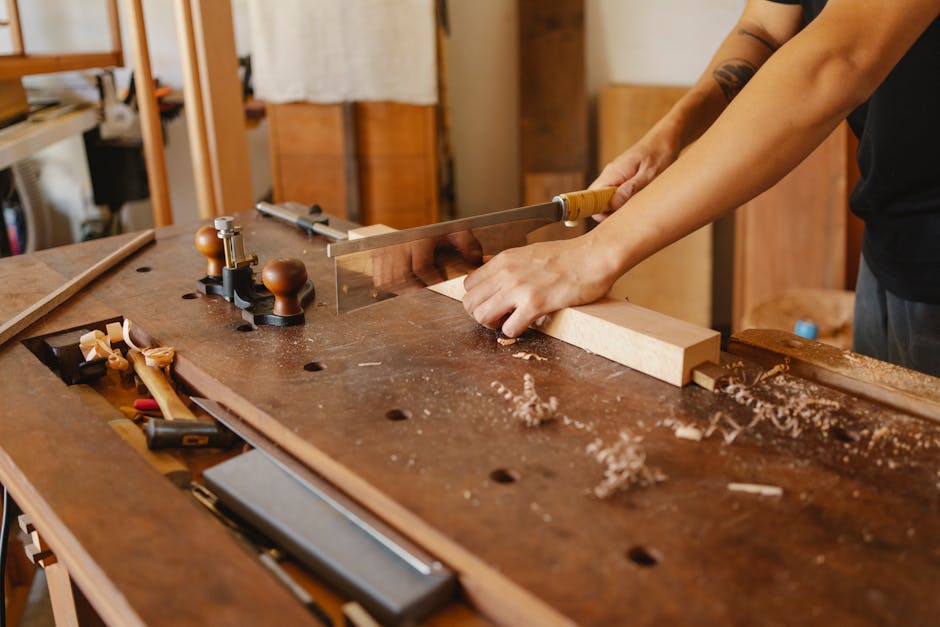
The ability to create functional tools from available materials extends survival capabilities exponentially. Basic tools include cutting implements made from knapped stone, bone awls for piercing, cordage twisted from plant fibers or animal sinew, and containers woven from bark or carved from wood. Weapons for hunting and protection range from simple spears with fire-hardened tips to more complex bows and arrows requiring greater skill. Understanding which stones flake properly for cutting edges, which woods provide optimal strength and flexibility for different applications, and how to secure components using natural adhesives like pine pitch creates self-sufficiency. These skills transform the environment into a resource stockpile rather than an obstacle.

Maintaining Mental Resilience and Situational Awareness

Survival psychology often determines outcomes more than physical skills. Maintaining a positive mental attitude prevents panic, which leads to poor decisions and wasted energy. The survival mindset involves accepting the situation, making a plan, and taking systematic action rather than becoming overwhelmed. Situational awareness—constantly observing surroundings, anticipating hazards, and recognizing opportunities—prevents emergencies and identifies solutions. Stress management techniques like controlled breathing, setting small achievable goals, and maintaining daily routines provide psychological stability. Understanding the common psychological stages of survival situations—fear, denial, anger, bargaining, and acceptance—helps recognize and manage emotional responses. Mental preparation through visualization and scenario planning builds confidence that translates to effective action during real emergencies.

Building Comprehensive Survival Competence

Mastering these ten fundamental survival skills creates a foundation for self-reliance in virtually any emergency situation. While reading about these capabilities provides knowledge, true competence requires hands-on practice in controlled environments before emergencies occur. Regular training sessions, attending survival courses, and gradually challenging oneself with more difficult scenarios builds muscle memory and confidence. These skills interconnect—fire helps purify water, shelter provides protection while signaling, and tools facilitate obtaining food—creating a comprehensive survival system. By investing time in developing these abilities, individuals gain not only practical skills but also the mental confidence and adaptability necessary to overcome unexpected challenges, ultimately increasing their chances of surviving and thriving when faced with adversity.