



















1 / 20 Questions
0 Points

What year was the World Wildlife Fund (WWF) founded?

1961

1970

1955

1948

Points won
0
Correct score
0%

More Quizzes

More Articles

Did You Know Keanu Reeves Gave Away Most of His Matrix Salary?

Did You Know Keanu Reeves Gave Away Most of His Matrix Salary?

⏱️ 5 min read

Keanu Reeves has long been celebrated not just for his acting prowess, but for his remarkable generosity and humility in an industry often criticized for its excess. Among the many stories that have cemented his reputation as one of Hollywood's most genuine individuals, his decision regarding his earnings from The Matrix trilogy stands out as particularly extraordinary. The actor's choice to share a significant portion of his substantial salary with the crew members who helped bring the groundbreaking films to life demonstrates a level of gratitude and awareness rarely seen in the entertainment industry.

The Magnitude of The Matrix Earnings

When The Matrix was released in 1999, few could have predicted the cultural phenomenon it would become. The Wachowskis' visionary sci-fi thriller revolutionized action cinema with its innovative special effects, philosophical depth, and groundbreaking "bullet time" sequences. The film's massive success at the box office translated into enormous profits for all involved, particularly its leading man.

For the first Matrix film, Reeves earned a reported base salary of $10 million. However, the real windfall came from his backend participation deal, which entitled him to a percentage of the film's gross earnings. When combined with his earnings from the two sequels, The Matrix Reloaded and The Matrix Revolutions, estimates suggest that Reeves made between $250 million and $300 million from the trilogy overall. This made him one of the highest-paid actors in Hollywood history for a single franchise.

An Unprecedented Act of Generosity

Rather than simply pocketing his massive earnings, Reeves made a decision that would become legendary in Hollywood circles. He reportedly gave away approximately $75 million of his Matrix earnings to the costume design and special effects teams who worked on the films. This wasn't a publicized charitable donation or a tax write-off, but rather a direct, personal expression of gratitude to the people he worked alongside.

According to reports, Reeves believed that the special effects and costume design teams were the true heroes of The Matrix trilogy. He recognized that without their innovative work, the films wouldn't have achieved their revolutionary visual impact. The actor understood that while he received top billing and the lion's share of media attention, the success of the franchise depended on the collective efforts of hundreds of dedicated professionals working behind the scenes.

Beyond The Matrix: A Pattern of Generosity

This generous act wasn't an isolated incident in Reeves' career. The actor has consistently demonstrated his appreciation for crew members across various productions. Reports suggest that he has given away motorcycles, watches, and substantial bonuses to stunt teams and other crew members on numerous films.

During the production of The Matrix Reloaded, Reeves reportedly purchased Harley-Davidson motorcycles for each of the film's 12 stunt performers as a thank-you gift. On other productions, he's been known to take significant pay cuts to ensure that other actors could be brought on board or that the film's budget could accommodate necessary elements for the story.

The Philosophy Behind the Generosity

Reeves' approach to his wealth reflects a deeper philosophy about money and success. In various interviews over the years, he has expressed that he has more money than he needs and that material wealth beyond a certain point doesn't contribute to happiness. This perspective is particularly striking in Hollywood, where accumulation and display of wealth are often considered status symbols.

The actor has spoken about the collaborative nature of filmmaking and his belief that everyone who contributes to a film's success deserves recognition. His actions demonstrate a rare awareness of the hierarchical structures in the film industry and a willingness to use his position to redistribute wealth more equitably among those who contributed to his success.

Impact on Hollywood Culture

While Reeves' generosity hasn't necessarily sparked a widespread trend of actors sharing their salaries, it has contributed to important conversations about compensation equity in the film industry. His actions highlight the vast disparities between above-the-line talent (actors, directors, producers) and below-the-line crew members, who often work long hours for significantly less compensation despite their essential contributions.

The story has also enhanced Reeves' reputation in the industry, making him one of the most respected and beloved figures in Hollywood. Directors, producers, and crew members consistently praise his professionalism, kindness, and collaborative spirit, which has likely contributed to his sustained career success.

A Broader Pattern of Charitable Giving

Beyond sharing his film earnings, Reeves has engaged in extensive charitable work, though he typically does so without publicity. He has quietly supported cancer research facilities, having established a private foundation that funds children's hospitals and cancer research. This personal connection to cancer charities stems from his sister Kim's battle with leukemia, which lasted a decade before she entered remission.

The actor has also been known to support PETA, Stand Up To Cancer, and various children's charities. He often auctions off dates or Zoom calls with himself to raise money for charitable causes, with proceeds going directly to organizations focused on children's health and cancer research.

The Legacy of Humility

Keanu Reeves' decision to share his Matrix salary represents more than just financial generosity; it exemplifies a value system that prioritizes collective success over individual gain. In an era where celebrity culture often emphasizes personal brand and wealth accumulation, his actions serve as a reminder that success is rarely achieved alone and that gratitude can be expressed through meaningful action. His example continues to inspire discussions about fairness, recognition, and the true meaning of success in the entertainment industry and beyond.
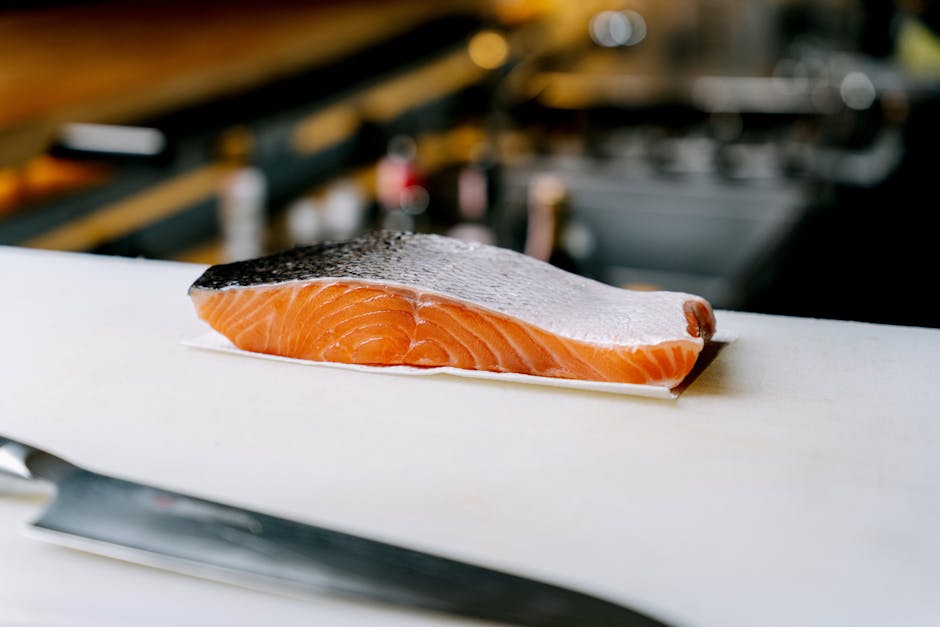
10 Weird Facts About Sushi

10 Weird Facts About Sushi

⏱️ 7 min read

Sushi has become one of the most beloved cuisines worldwide, but beneath its elegant presentation and refined flavors lies a fascinating history filled with surprising twists and unexpected origins. From ancient preservation techniques to modern culinary innovations, the journey of sushi from humble beginnings to global phenomenon is packed with peculiarities that even devoted sushi enthusiasts might not know. These strange facts reveal how this iconic Japanese dish evolved through necessity, creativity, and sometimes pure accident.

The Peculiar History and Hidden Truths Behind Japan's Most Famous Export

1. Original Sushi Was Actually Rotten Fish

The earliest form of sushi, called narezushi, bears almost no resemblance to what we enjoy today. Dating back to the 2nd century AD in Southeast Asia, this preservation method involved packing fish in fermented rice and salt for months or even years. The rice would break down into a paste through fermentation, creating an acidic environment that preserved the fish. When ready to eat, people would discard the fermented rice entirely and consume only the fish, which had developed a strong, pungent flavor similar to aged cheese. This ancient technique was so effective that some traditional restaurants in Japan still serve narezushi, though it remains an acquired taste even among locals.

2. Sushi Wasn't Always Made with Raw Fish

Contrary to popular belief, raw fish wasn't a defining characteristic of sushi for most of its history. The nigiri-style sushi we recognize today, featuring raw fish atop vinegared rice, only emerged in the early 19th century during Japan's Edo period. Before refrigeration technology, eating raw fish was actually quite dangerous due to parasites and bacterial contamination. The shift to raw fish presentations became safe only after Tokyo Bay's fish markets developed better handling practices and after World War II when refrigeration became widespread. Even today, many traditional sushi varieties use cooked, cured, or marinated ingredients rather than raw seafood.

3. Wasabi Serves as a Powerful Antimicrobial Agent

The fiery green paste accompanying sushi isn't just for flavor—it's a crucial safety feature. Real wasabi contains natural antimicrobial compounds called isothiocyanates that actively kill bacteria and parasites potentially present in raw fish. Historically, before modern food safety standards, wasabi played a vital role in preventing foodborne illnesses. Interestingly, the "wasabi" served in most restaurants worldwide is actually a mixture of horseradish, mustard, and food coloring, as authentic wasabi from the Wasabia japonica plant is extremely expensive and difficult to cultivate, costing up to $250 per kilogram.

4. Conveyor Belt Sushi Was Inspired by Beer Factories

The kaiten-zushi or conveyor belt sushi concept revolutionized dining in Japan, but its origin story is decidedly industrial. In 1958, restaurateur Yoshiaki Shiraishi visited an Asahi beer factory and became fascinated by the conveyor belt system transporting bottles. He spent five years developing a similar system for sushi restaurants, solving challenges like maintaining food temperature and ensuring smooth plate rotation. The first kaiten-zushi restaurant opened in Osaka in 1958, and the concept has since spread globally, making sushi more accessible and affordable while adding an element of entertainment to dining.

5. Tuna Was Once Considered Trash Fish

Today's most prized sushi ingredient was historically deemed unworthy of consumption. In 19th century Japan, tuna—particularly the fatty toro portions now commanding premium prices—was considered low-class food. The rich, oily meat spoiled quickly without refrigeration and was often discarded or used as cat food. Fishermen sometimes buried unwanted tuna catches. Everything changed in the 1960s when refrigeration technology improved and Western influences began appreciating fattier fish. The transformation was so complete that bluefin tuna now sells for astronomical prices, with a single fish fetching over $3 million at Tokyo's Toyosu fish market in 2019.

6. Sushi Chefs Train for Years Before Handling Rice

The path to becoming an itamae (sushi chef) involves a surprisingly rigid hierarchy and years of training before ever touching fish. Apprentices typically spend their first two years performing menial tasks like cleaning, washing dishes, and observing. The next phase involves learning to prepare shari (sushi rice), which masters consider the most critical skill. Only after demonstrating rice perfection—which can take several more years—do apprentices progress to fish preparation. The total training period traditionally spans seven to ten years, reflecting the philosophy that sushi mastery requires patience, discipline, and respect for ingredients that cannot be rushed.

7. The California Roll Was Created Out of Embarrassment

America's gateway sushi was born from cultural adaptation and ingredient scarcity. In the 1960s, Japanese chef Ichiro Mashita worked at a Los Angeles restaurant where customers found nori (seaweed) visually unappealing and bluefin tuna wasn't readily available. His solution was revolutionary: substituting avocado for tuna's creamy texture and rolling rice on the outside to hide the seaweed. Some accounts credit Canadian chef Hidekazu Tojo with a similar Vancouver creation. Regardless of its precise origin, this "inside-out" roll became a gateway that introduced millions of Americans to sushi, though purists initially viewed it as sacrilege.

8. Authentic Soy Sauce Is Meant for Fish, Not Rice

Most diners commit a significant faux pas with every sushi piece they eat. Traditional sushi etiquette dictates that when dipping nigiri, only the fish should touch the soy sauce—never the rice. Soaking rice in soy sauce masks the carefully seasoned shari that chefs spend years perfecting and causes the rice to absorb too much liquid, falling apart and overwhelming the fish's delicate flavor. Furthermore, properly prepared sushi rice is already seasoned with a vinegar mixture, making additional soy sauce on rice redundant. Many high-end sushi restaurants in Japan serve nigiri with the chef's preferred amount of soy sauce already applied, eliminating the need for dipping entirely.

9. Plastic Grass in Sushi Containers Has a Practical Purpose

Those little plastic grass dividers called "baran" that separate different types of sushi aren't merely decorative. Originally, real bamboo leaves served multiple functions: they prevented different flavors from mixing, provided antibacterial protection, and absorbed excess moisture that could make sushi soggy. The plastic versions used today primarily serve aesthetic purposes and act as visual separators, though they've lost the antimicrobial properties of their natural predecessors. The practice dates back centuries when fresh leaves were the only option, and their presence signaled freshness and attention to hygiene standards that customers valued.

10. Ginger Is Actually a Palate Cleanser, Not a Topping

The pickled ginger (gari) served alongside sushi is widely misused by diners who pile it onto their sushi or eat it simultaneously with fish. Its actual purpose is to cleanse the palate between different types of sushi, allowing diners to fully appreciate each variety's distinct flavors without interference from the previous piece. The ginger's sharp, sweet taste and crisp texture reset taste buds, similar to how wine tasters use crackers or water between samples. Additionally, gari possesses natural antimicrobial properties that traditionally helped reduce risks associated with raw fish consumption, serving both culinary and safety functions in the sushi experience.

Appreciating Sushi's Complexity Beyond the Plate

These ten peculiar facts demonstrate that sushi's evolution from ancient preservation technique to global culinary phenomenon involves far more than meets the eye. Understanding the historical context, cultural significance, and hidden purposes behind sushi's various elements enhances appreciation for this deceptively simple-looking cuisine. From fermented beginnings to trash-fish transformations, from beer factory inspirations to decade-long training regimens, sushi embodies centuries of innovation, adaptation, and refinement. The next time you enjoy this beloved dish, remember that every component—from the placement of wasabi to the presence of pickled ginger—reflects generations of wisdom, necessity, and occasional happy accidents that shaped one of the world's most sophisticated food traditions.