











1 / 10 Questions
0 Points

When Did The Legendary Woodstock Festival Take Place?

1969

1968

1970

1967

Points won
0
Correct score
0%

More Quizzes

More Articles

Foods That Changed Eating Habits Forever

Foods That Changed Eating Habits Forever

⏱️ 5 min read

Throughout human history, certain foods have emerged that fundamentally transformed not just what people eat, but how entire societies function, trade, and interact. These revolutionary ingredients and dishes have shaped economies, influenced migrations, and altered the course of civilizations. From ancient grains that enabled the first settlements to modern convenience foods that redefined daily routines, these culinary game-changers have left an indelible mark on global eating habits.

The Rise of Wheat and the Agricultural Revolution

Wheat stands as perhaps the most transformative food in human history. When ancient peoples in the Fertile Crescent began cultivating wild wheat around 10,000 years ago, they set in motion a chain of events that would forever change human existence. This single grain enabled the transition from nomadic hunter-gatherer lifestyles to settled agricultural communities. Wheat's storability, nutritional density, and versatility made it possible for civilizations to develop, populations to grow, and complex societies to emerge. Today, wheat remains one of the world's most important staple crops, consumed in countless forms across every continent.

Sugar: From Luxury to Ubiquity

Few foods have transformed eating habits as profoundly as refined sugar. Originally a rare luxury available only to the wealthy, sugar production exploded during the colonial era, making it accessible to the masses by the 19th century. This shift fundamentally altered global palates and dietary patterns. Sugar's addictive properties and preservation capabilities made it central to countless food preparations. The modern food industry's reliance on sugar has created eating habits unimaginable to previous generations, with the average person consuming more sugar in a week than medieval ancestors consumed in a year. This transformation has had far-reaching consequences for public health, agriculture, and food manufacturing.

The Potato: Feeding Nations and Sparking Migrations

When Spanish conquistadors brought potatoes from South America to Europe in the 16th century, few could have predicted the profound impact this humble tuber would have on world history. The potato's ability to grow in diverse climates, produce high yields, and provide substantial nutrition made it a cornerstone of European diets within two centuries. It supported population booms, sustained armies, and became so integral to some cultures that crop failures triggered famines and mass emigrations. The Irish Potato Famine of the 1840s alone reshaped demographics across multiple continents. Today, potatoes remain the world's fourth-largest food crop, consumed in every corner of the globe in countless preparations.

Canned Foods and the Preservation Revolution

The invention of canning in the early 19th century represented a paradigm shift in human eating habits. For the first time in history, foods could be safely preserved for extended periods without drying, salting, or smoking. This innovation transformed military logistics, enabled long-distance exploration, and eventually brought seasonal foods to dinner tables year-round. Canned goods democratized nutrition, making proteins, fruits, and vegetables available to populations that previously had limited access. The canning industry paved the way for modern food processing and distribution systems, fundamentally changing relationships between producers and consumers.

Fast Food and the Convenience Culture

The rise of fast food in the mid-20th century revolutionized not just what people eat, but when, where, and how they consume meals. Pioneered by chains that standardized preparation methods and emphasized speed and consistency, fast food reshaped urban landscapes, family dynamics, and social rituals around eating. Drive-throughs, value meals, and franchise expansion created a global food culture based on convenience and efficiency. This shift has influenced everything from automobile design to working hours, while contributing to changing nutritional patterns and health outcomes. The fast food model has proven so influential that it has been applied to countless other industries beyond restaurants.

Frozen Foods: The Home Kitchen Transformation

Clarence Birdseye's development of quick-freezing technology in the 1920s set the stage for a revolution in home cooking. Frozen foods eliminated much of the time-consuming preparation that had defined domestic life for millennia. By the 1950s, frozen dinners and vegetables had become staples in households across developed nations. This innovation contributed to changing gender roles, as time-intensive meal preparation became less necessary. The frozen food industry also reduced food waste, extended growing seasons beyond geographic limitations, and made diverse international cuisines accessible to home cooks everywhere.

Soy Products and Plant-Based Alternatives

While soybeans have been cultivated in Asia for thousands of years, their transformation into meat and dairy alternatives represents a modern revolution in eating habits. Tofu, tempeh, and newer innovations like plant-based burgers and milk substitutes have made vegetarian and vegan diets practical and appealing to mainstream consumers. These developments reflect growing concerns about health, environmental sustainability, and animal welfare. The plant-based food sector has experienced explosive growth, influencing major food corporations to invest heavily in alternative protein sources and challenging fundamental assumptions about Western diets centered on animal products.

Coffee and Tea: Beverages That Built Empires

Coffee and tea transcended their origins as simple beverages to become cultural phenomena that altered daily routines, social customs, and international commerce. Coffeehouses became centers of intellectual exchange and business dealings in Europe and the Middle East. Tea drove British imperial expansion and sparked revolutionary movements. These caffeinated drinks changed work patterns, enabling longer hours and greater productivity during industrialization. Today, coffee and tea represent multi-billion-dollar industries, with their consumption rituals embedded in cultures worldwide, from Japanese tea ceremonies to Italian espresso culture.

The Lasting Impact on Modern Eating

The foods that have changed eating habits forever share common characteristics: they addressed fundamental human needs for nutrition, convenience, or pleasure; they could be produced or preserved at scale; and they adapted successfully across different cultures and climates. Understanding these transformative foods provides insight into how current innovations might reshape future eating habits. As societies face new challenges around sustainability, health, and food security, the next generation of revolutionary foods may be emerging in laboratories, vertical farms, and entrepreneurial kitchens around the world.
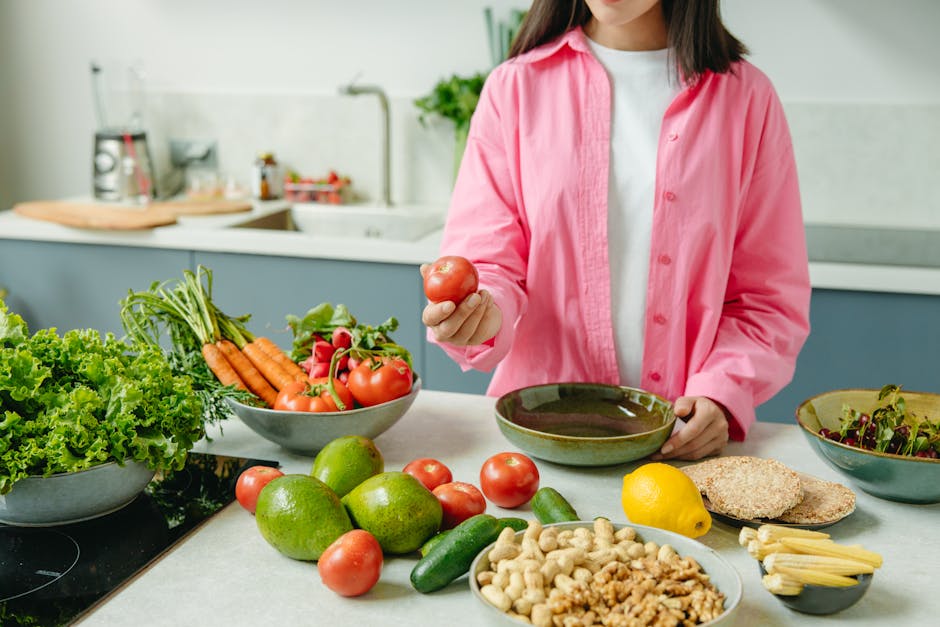
14 Amazing Facts About Fruits and Vegetables

14 Amazing Facts About Fruits and Vegetables

⏱️ 6 min read

The world of fruits and vegetables is filled with surprising discoveries that go far beyond their nutritional value. From botanical classifications that challenge everything we thought we knew to unexpected historical origins, these plant-based foods continue to amaze scientists, chefs, and everyday consumers alike. Understanding these fascinating facts not only enriches our appreciation for what we eat but also helps us make more informed choices about our diets and the natural world around us.

Botanical Surprises and Classifications

1. Tomatoes Are Scientifically Fruits, Not Vegetables

One of the most well-known botanical facts is that tomatoes are actually fruits. Botanically speaking, a fruit is the seed-bearing structure that develops from the ovary of a flowering plant, while vegetables are other plant parts like roots, stems, and leaves. Despite being used in savory dishes and treated as vegetables in culinary contexts, tomatoes meet all the criteria of a fruit. This classification extends to cucumbers, peppers, squash, and eggplants as well, all of which are technically fruits masquerading as vegetables in our kitchens.

2. Strawberries Aren't Actually Berries

In a twist that surprises most people, strawberries aren't true berries according to botanical definitions. True berries develop from a single ovary and typically have multiple seeds, like blueberries and grapes. Strawberries, however, develop from a flower with multiple ovaries, and those small seeds on the outside are actually the true fruits. Even more surprising: bananas, watermelons, and avocados are technically berries, while raspberries and blackberries are not.

3. Carrots Were Originally Purple

The orange carrots we know today are actually a relatively recent development. Historical records and ancient artwork show that carrots were originally purple, white, or yellow. Orange carrots were cultivated in the Netherlands during the 16th and 17th centuries, possibly as a tribute to the Dutch royal family, the House of Orange. These orange varieties became popular due to their sweeter taste and eventually dominated commercial production worldwide.

Nutritional and Health Revelations

4. Broccoli Contains More Protein Than Steak by Calorie

While steak is renowned for its protein content, broccoli delivers a surprising nutritional punch. Per 100 calories, broccoli contains about 11.1 grams of protein, while sirloin steak contains approximately 9.5 grams. This doesn't mean broccoli can replace meat as a protein source in terms of volume and amino acid profile, but it demonstrates that vegetables can be surprisingly protein-rich for their caloric content, making them excellent additions to any diet.

5. Apples Float Because They're 25% Air

The reason apples float in water isn't just because they're lightweight—it's because they're composed of about 25% air. This air content is trapped within the apple's cellular structure, giving it buoyancy. This same property is what makes the traditional Halloween game of apple bobbing possible and contributes to the satisfying crunch we experience when biting into a fresh apple.

6. Bananas Are Naturally Radioactive

Bananas contain potassium-40, a naturally occurring radioactive isotope of potassium. While this might sound alarming, the radiation level is incredibly small and completely harmless to humans. In fact, the term "banana equivalent dose" is used in radiation science as an informal measurement unit to put radiation exposure into perspective. You would need to eat millions of bananas in a short period to experience any harmful effects from radiation.

Historical and Cultural Discoveries

7. Ketchup Was Once Sold as Medicine

In the 1830s, tomato ketchup was marketed and sold as a medicinal remedy for various ailments, including indigestion and diarrhea. Dr. John Cook Bennett claimed that tomatoes could cure these conditions and sold ketchup in pill form. While we now know that tomatoes do have health benefits due to their lycopene content and vitamins, the medicinal claims of the 19th century were greatly exaggerated.

8. Pineapples Take Two Years to Grow

Despite being available year-round in most grocery stores, a single pineapple takes approximately 18 to 24 months to reach full maturity. The plant produces only one pineapple per cycle, making it a surprisingly resource-intensive fruit. This lengthy growing period partly explains why pineapples were once considered luxury items and symbols of wealth and hospitality in colonial America.

Unusual Growth and Reproduction Facts

9. Cashews Grow Outside the Fruit

Unlike most nuts that grow inside fruits or protective shells, cashew nuts develop outside what's called the cashew apple. The nut hangs from the bottom of the cashew apple in a kidney-shaped shell that contains toxic oils. This is why cashews are never sold in their shells and must be carefully processed to remove these harmful substances before consumption.

10. Grapes Explode in the Microwave

When a grape is cut almost in half and microwaved, it creates a plasma field—the fourth state of matter. The grape's size and water content create the perfect conditions for electromagnetic waves to concentrate, generating enough energy to create glowing plasma. This phenomenon has been studied by physicists and demonstrates the unique properties of fruits at the molecular level.

Environmental and Agricultural Insights

11. Cucumbers Are 96% Water

Cucumbers hold the record for having one of the highest water contents of any solid food at approximately 96%. This exceptional water content makes them incredibly hydrating and low in calories while still providing vitamins K and C, potassium, and various antioxidants. This high water ratio also explains why cucumbers are so refreshing and why they've been used for centuries in skincare and hydration remedies.

12. Corn Is Grown on Every Continent Except Antarctica

Corn, also known as maize, demonstrates remarkable adaptability and has become one of the world's most widely grown crops. Originally domesticated in southern Mexico approximately 10,000 years ago, corn now thrives on every continent except Antarctica. Its versatility extends beyond food—corn is used in producing ethanol, plastics, and thousands of other products, making it one of humanity's most important agricultural achievements.

Surprising Sensory Characteristics

13. Red, Yellow, and Green Bell Peppers Are the Same Plant

Many people believe that different colored bell peppers are different varieties, but they're actually the same plant at different stages of ripeness. Green peppers are simply unripe versions, while yellow, orange, and red peppers have been allowed to mature longer on the vine. As they ripen, they not only change color but also become sweeter and develop higher levels of vitamins A and C, which explains the price difference in stores.

14. Onions Make You Cry Because of Sulfuric Acid

The tears triggered by cutting onions result from a sophisticated chemical defense mechanism. When an onion is cut, it releases enzymes that convert sulfur compounds into syn-propanethial-S-oxide, a volatile gas. When this gas reaches your eyes, it reacts with the water in your tears to form sulfuric acid, causing irritation. Your eyes produce tears to flush out this irritant, which is why even experienced chefs can be brought to tears by a strong onion.

Conclusion

These fourteen remarkable facts reveal that fruits and vegetables are far more complex and fascinating than they appear in our shopping carts or on our dinner plates. From their unexpected botanical classifications to their surprising historical uses and unique physical properties, these foods continue to offer insights into biology, chemistry, agriculture, and human culture. Understanding these aspects not only enriches our knowledge but also deepens our appreciation for the incredible diversity of plant life that sustains us. Whether it's the radioactive potassium in bananas or the plasma-generating properties of grapes, the produce section holds endless wonders waiting to be discovered.