







1 / 10 Questions
0 Points

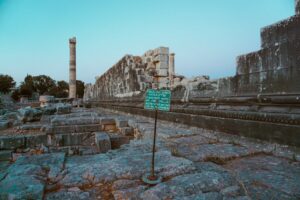
Which Battle Saw Athens Defeat Persia?

Battle of Salamis

Battle of Plataea

Battle of Thermopylae

Battle of Marathon

Points won
0
Correct score
0%

More Quizzes

More Articles

10 Mind-Blowing Facts About Cinema History

10 Mind-Blowing Facts About Cinema History

⏱️ 7 min read

Cinema has captivated audiences for over a century, transforming from simple moving pictures into a powerful art form that shapes culture, influences society, and preserves history. Behind the glamorous premieres and blockbuster releases lies a fascinating history filled with unexpected innovations, bizarre incidents, and groundbreaking achievements that forever changed entertainment. These remarkable moments reveal how creative vision, technical ingenuity, and sometimes pure accident combined to create the medium we know and love today.

Remarkable Discoveries from Cinema's Past

1. The First Film Ever Made Featured a Garden Scene

In 1888, French inventor Louis Le Prince created what is considered the first motion picture ever made, titled "Roundhay Garden Scene." This groundbreaking two-second film showed family members walking in a garden and was shot at 12 frames per second. Tragically, Le Prince disappeared under mysterious circumstances in 1890, just before he was scheduled to patent his invention in the United States. His disappearance remains one of cinema's greatest unsolved mysteries, and Thomas Edison would later claim credit for inventing motion pictures, sparking decades of controversy about who truly deserves recognition as the father of film.

2. Silent Films Were Never Actually Silent

Despite being called "silent films," movies from the silent era were accompanied by elaborate soundscapes. Theaters employed live musicians, ranging from solo pianists in small venues to full orchestras in grand movie palaces. Some theaters even had sound effects specialists who created noises synchronized with on-screen action using devices like coconut shells for horse hooves and sheet metal for thunder. Major studios distributed detailed musical cues with their films, ensuring consistent presentations across different theaters. This employment of musicians made movie theaters one of the largest employers of musicians in the 1920s, until "talkies" revolutionized the industry and put many of them out of work overnight.

3. The Wizard of Oz's Technicolor Process Required Dangerous Materials

The stunning Technicolor process that made "The Wizard of Oz" (1939) so visually striking came at a significant cost. The lights required for the three-strip Technicolor cameras were incredibly hot and bright, with temperatures on set reaching up to 100 degrees Fahrenheit. The Wicked Witch's copper-based makeup was toxic, and Margaret Hamilton suffered severe burns during the filming of her fiery exit from Munchkinland. Even more concerning, the original Tin Man, Buddy Ebsen, had to leave the production after the aluminum dust in his makeup caused a serious allergic reaction that hospitalized him and affected his lungs for the rest of his life.

4. Alfred Hitchcock Created the Most Expensive Scene Per Second

Alfred Hitchcock's 1960 masterpiece "Psycho" featured one of cinema's most iconic sequences: the shower scene. This 45-second scene took seven days to shoot and required 70 different camera setups. What makes it truly remarkable is that Hitchcock used chocolate syrup for blood because it showed up better on black-and-white film than stage blood. The scene's effectiveness came from rapid editing and innovative camera angles rather than graphic violence—viewers actually never see the knife penetrating Janet Leigh's body, yet it remains one of the most viscerally terrifying sequences ever filmed. The scene's meticulous planning made it one of the most expensive moments per second of screen time in 1960s cinema.

5. The First Movie Theater Opened in a Storefront

The first permanent movie theater, called a "Nickelodeon" because admission cost a nickel, opened in Pittsburgh in 1905. Before this, films were shown in vaudeville theaters, traveling exhibitions, or penny arcades. The Nickelodeon concept spread rapidly across America, with nearly 10,000 nickelodeon theaters operating by 1910. These small, converted storefronts democratized entertainment, providing affordable amusement to working-class immigrants who couldn't afford traditional theater. The nickelodeon boom fundamentally transformed American entertainment and urban culture, establishing cinema as a legitimate art form and business rather than a carnival curiosity.

6. Hollywood Moved West to Escape Patent Laws

Hollywood's establishment as the film capital wasn't just about California's sunny weather and diverse landscapes. In the early 1900s, Thomas Edison controlled most film production patents through the Motion Picture Patents Company, aggressively suing independent filmmakers on the East Coast. Pioneering producers fled to Southern California because its proximity to the Mexican border allowed them to escape Edison's lawyers and legal jurisdiction if necessary. The year-round sunshine was certainly beneficial for filming, but the geographic distance from Edison's New Jersey headquarters and the ability to cross the border quickly proved equally attractive to these early cinematic rebels.

7. The Longest Film Ever Made Runs for 35 Days

Swedish artist Anders Weberg created "Ambiancé," an experimental film with a running time of 720 hours—exactly 30 days. However, the actual longest film ever screened is "The Cure for Insomnia" (1987), which runs for 87 hours. But even more extreme is "Modern Times Forever," which would take 240 hours (10 days) to watch in its entirety. These experimental films challenge traditional notions of cinema as entertainment, exploring endurance, perception, and the boundaries of the medium itself. They represent cinema's artistic avant-garde, where the experience itself becomes more important than conventional narrative storytelling.

8. The Movie Rating System Started Because of a Bikini

The modern American film rating system (G, PG, PG-13, R, NC-17) emerged in 1968, replacing the restrictive Production Code that had governed Hollywood since 1934. The Production Code began crumbling in the 1950s and 1960s as filmmakers pushed boundaries. The final straw came with increasingly adult content in mainstream films. The voluntary rating system allowed filmmakers creative freedom while providing parents with guidance. Interestingly, the PG-13 rating wasn't added until 1984, following parent complaints about "Indiana Jones and the Temple of Doom" and "Gremlins" being too intense for the PG rating, proving that the system continues to evolve based on societal standards and audience feedback.

9. Charlie Chaplin Once Lost a Charlie Chaplin Look-Alike Contest

In one of cinema's most delightful ironies, legendary comedian Charlie Chaplin allegedly entered a Charlie Chaplin look-alike contest in San Francisco and came in third place. While the exact details remain disputed by historians, the story persists because it captures something profound about fame and identity in the film age. Chaplin's iconic Tramp character became so universally recognized that the real person became separated from his screen persona. This anecdote, whether completely true or embellished, illustrates how cinema created a new type of celebrity where the image could become more famous than the individual, fundamentally changing the relationship between performers and audiences.

10. The Wilhelm Scream Has Appeared in Over 400 Films

A single sound effect recorded in 1951 for the film "Distant Drums" has become cinema's most famous inside joke. The "Wilhelm Scream"—named after a character who screamed it in "The Charge at Feather River" (1953)—has been deliberately inserted into over 400 films and television shows. Sound designer Ben Burtt discovered the scream in the Warner Bros. sound archives and used it in "Star Wars," sparking a tradition among sound designers to hide it in their work. From "Indiana Jones" to "Toy Story" to "The Lord of the Rings," this distinctive scream has become an homage to cinema history, connecting modern blockbusters to Hollywood's golden age through a single, recognizable audio signature.

Cinema's Enduring Legacy

These fascinating facts demonstrate that cinema history is far more complex and surprising than simple narratives suggest. From its mysterious beginnings with Louis Le Prince's disappearance to the ongoing Wilhelm Scream tradition, film history encompasses innovation, tragedy, ingenuity, and humor. Understanding these stories enriches our appreciation of movies, revealing the human creativity, technical challenges, and occasional accidents that shaped this art form. Each fact represents countless individuals who experimented, took risks, and pushed boundaries to transform flickering images into the powerful medium that continues to captivate billions of viewers worldwide. Cinema remains a relatively young art form, and its history continues to unfold with each new technological advancement and creative breakthrough.
Top 10 Rising Pop Stars of 2025

Top 10 Rising Pop Stars of 2025

⏱️ 6 min read

The pop music landscape is constantly evolving, with fresh talent emerging to captivate audiences worldwide. As we navigate through 2025, a new wave of artists is reshaping the genre with innovative sounds, compelling narratives, and magnetic stage presence. These performers are breaking streaming records, selling out venues, and redefining what it means to be a pop star in the modern era. Here are the artists making the biggest impact this year.

The New Generation of Pop Excellence

1. Zara Mitchell's Genre-Blending Breakthrough

British-Jamaican singer-songwriter Zara Mitchell has emerged as one of 2025's most exciting discoveries, seamlessly fusing Caribbean rhythms with contemporary pop production. Her debut album "Wavelength" topped charts across Europe and North America, with the single "Golden Hour" accumulating over 500 million streams in its first three months. Mitchell's ability to incorporate dancehall, R&B, and electronic elements while maintaining pop accessibility has earned her comparisons to industry veterans, though her sound remains distinctly her own. Her sold-out spring tour demonstrated her growing influence, with critics praising her dynamic vocal range and authentic songwriting that addresses themes of identity, belonging, and self-discovery.

2. The Meteoric Rise of Omar Santos

From uploading bedroom recordings to commanding festival stages, 22-year-old Omar Santos represents the power of social media in artist development. The Los Angeles native's bilingual approach to pop music, alternating between English and Spanish, has resonated with diverse audiences globally. His viral hit "Neon Dreams" became a cultural phenomenon, inspiring countless dance challenges and reaching number one in 18 countries. Santos' collaboration with established producers has refined his sound without sacrificing the raw emotional honesty that initially connected with fans. His EP "After Midnight" showcases sophisticated production techniques paired with vulnerable lyrics exploring young adult experiences.

3. Luna Park's Retro-Futuristic Sound

Australian artist Luna Park has captivated listeners by channeling 1980s synth-pop through a contemporary lens. Her aesthetic combines vintage synthesizers with modern production technology, creating a sound that feels simultaneously nostalgic and forward-thinking. The single "Crystal Vision" exemplifies this approach, featuring analog instrumentation layered with cutting-edge vocal processing. Park's visual presentation, from music videos to live performances, reinforces her retro-futuristic brand with neon-soaked cinematography and theatrical staging. Industry analysts note that her success signals a broader trend of younger audiences embracing sounds from previous decades, reimagined for current sensibilities.

4. Kai Washington's Vocal Virtuosity

Trained in classical music before transitioning to pop, Kai Washington brings technical precision and emotional depth to every performance. The Atlanta-born singer's four-octave range has drawn attention from vocal coaches and music theorists, who praise his control and stylistic versatility. Washington's debut single "Elevation" showcases his ability to navigate complex melodic runs while maintaining the catchiness essential to pop success. His background in gospel and musical theater informs his dramatic performance style, making his concerts memorable experiences that blend vocal acrobatics with genuine emotional connection. Washington represents a return to prioritizing vocal talent in an era often dominated by production and visual elements.

5. The Collaborative Genius of NOVA Collective

Breaking the traditional solo artist mold, NOVA Collective operates as a rotating ensemble of five core members who write, produce, and perform together. This Korean-Canadian group's democratic approach to creativity has resulted in a diverse sonic palette that draws from K-pop, Western pop, and experimental electronic music. Their album "Constellation" features each member taking lead vocals on different tracks, showcasing individual personalities while maintaining cohesive group identity. The collective's innovative business model, which involves transparent profit-sharing and collaborative decision-making, has sparked conversations about artist autonomy and sustainable creative partnerships in the music industry.

6. Sienna Rose's Confessional Storytelling

Nashville transplant Sienna Rose has brought country music's narrative tradition into mainstream pop, crafting songs that function as short stories set to infectious melodies. Her breakout track "Pennsylvania Line" chronicles a cross-country journey with cinematic detail and emotional specificity that resonates with listeners seeking substance alongside catchiness. Rose's songwriting workshops and social media presence, where she discusses her creative process openly, have endeared her to aspiring musicians and established her as both artist and educator. Her authenticity and willingness to address complex themes like mental health and relationship dynamics have earned critical acclaim and a devoted fanbase.

7. Dante Cruz's Experimental Pop Vision

Mexican producer and vocalist Dante Cruz challenges conventional pop structures with his avant-garde approach to songwriting and arrangement. His tracks frequently feature unconventional time signatures, unexpected key changes, and genre-defying instrumentation, yet remain accessible and radio-friendly. Cruz's background in jazz composition informs his sophisticated harmonic choices, while his pop sensibilities ensure commercial viability. The single "Fractal Heart" exemplifies his ability to create experimental music that connects with mainstream audiences, reaching top ten positions on multiple charts while pushing creative boundaries. Industry observers view Cruz as evidence that audiences are ready for more adventurous pop music.

8. Amelie Chen's Digital-Age Authenticity

Taiwanese-American artist Amelie Chen has mastered the balance between digital presence and authentic connection, building her career through genuine engagement with fans across multiple platforms. Her music addresses the complexities of life in the social media age, with songs exploring themes of online identity, digital relationships, and technology's impact on mental health. Chen's transparency about her own struggles with anxiety and perfectionism has created a supportive community around her music. Her album "Offline" ironically became one of 2025's most-streamed releases, with its title track serving as an anthem for digital detox and mindful living.

9. The Soulful Resurgence of Marcus Flynn

Marcus Flynn's incorporation of classic soul and Motown influences into contemporary pop has filled a gap in the current musical landscape. The Detroit native's rich, textured vocals recall legendary performers while his production remains decidedly modern, featuring current beats and electronic elements. Flynn's single "Velvet Thoughts" demonstrates this fusion perfectly, pairing his vintage-inspired vocal delivery with trap-influenced percussion and synthesized bass lines. His commitment to live instrumentation in an increasingly digital production environment has earned respect from musicians and audiophiles, while his melodic sensibilities ensure widespread appeal.

10. Isla Barrett's Empowerment Anthems

Scottish singer Isla Barrett has become a voice for empowerment and social consciousness in pop music, addressing topics from gender equality to environmental activism without sacrificing musical quality or entertainment value. Her powerful vocals and anthemic choruses have made songs like "Unbreakable" and "Tomorrow's Promise" rallying cries for positive change. Barrett's commitment extends beyond music, with proceeds from her tours supporting various charitable organizations. Her ability to inspire action while creating genuinely enjoyable pop music has established her as both artist and activist, proving that commercial success and meaningful messaging can coexist.

The Future of Pop Music

These ten rising stars represent diverse backgrounds, musical approaches, and creative visions, yet they share common characteristics: authenticity, innovation, and genuine connection with audiences. Their success in 2025 suggests that pop music's future will be more inclusive, experimental, and meaningful than ever before. As these artists continue developing their crafts and expanding their influence, they're not just following trends—they're creating them. The pop landscape they're shaping promises to be as diverse and dynamic as the artists themselves, offering something for every listener while pushing the genre into exciting new territories. Their impact extends beyond music, influencing fashion, social movements, and cultural conversations, proving that pop stars remain among our most influential cultural figures.