





1 / 10 Questions
0 Points

Which City Serves As The Capital Of The United States?

Los Angeles

New York

Washington D.C.

Chicago

Points won
0
Correct score
0%

More Quizzes

More Articles

Entertainment Projects That Almost Failed

Entertainment Projects That Almost Failed

⏱️ 5 min read

The entertainment industry is filled with success stories that seem inevitable in hindsight, but many beloved projects came dangerously close to never seeing the light of day. Behind the glitz and glamour of box office hits, award-winning shows, and chart-topping albums lie tales of near-cancellations, budget disasters, and creative conflicts that almost derailed some of the most iconic entertainment properties of all time.

Star Wars: A New Hope - The Film Studios Rejected

George Lucas's space opera faced numerous obstacles before becoming a cultural phenomenon. After the success of "American Graffiti," Lucas pitched his ambitious science fiction project to multiple studios, only to face repeated rejections. Universal Studios and United Artists passed on the project, viewing it as too risky and expensive. 20th Century Fox eventually agreed to fund the film, but with significant reservations.

Production difficulties plagued the project from the start. The shoot in Tunisia faced equipment failures, with robots breaking down in the desert heat. The British crew was skeptical of Lucas's vision, and tensions ran high on set. Studio executives who viewed early footage were unimpressed, believing they had financed a disaster. The special effects company Industrial Light & Magic struggled to create the revolutionary visual effects Lucas demanded, working down to the wire to complete shots. Even Lucas himself doubted the film during editing, thinking it would be a modest success at best. The rest, as they know, is history, with Star Wars becoming one of the highest-grossing franchises of all time.

Jaws: The Mechanical Shark That Wouldn't Work

Steven Spielberg's thriller about a killer shark became synonymous with the summer blockbuster, but its production was a nightmare that nearly ended differently. The mechanical sharks built for the film, nicknamed "Bruce," constantly malfunctioned due to the corrosive effects of saltwater. The production went massively over budget, ballooning from $3.5 million to $9 million, and the shooting schedule extended from 55 days to 159 days.

The mechanical failures forced Spielberg to get creative, shooting around the shark and suggesting its presence rather than showing it directly. This limitation actually enhanced the film's suspense, though nobody knew it at the time. Universal Studios executives considered shutting down production multiple times, and Spielberg believed his career was over. The film's success proved that sometimes technical limitations can lead to better artistic choices.

Friends: The Sitcom Networks Didn't Want

Before becoming one of television's most successful sitcoms, "Friends" faced significant skepticism from network executives and focus groups. NBC was uncertain about a show focused on six twenty-somethings without established careers or families. Early focus group testing revealed lukewarm responses, with viewers particularly critical of the character of Chandler, finding him annoying and unfunny.

The network pushed for changes to the cast and concept, including suggestions to eliminate characters or change the show's focus. The creators, Marta Kauffman and David Crane, fought to maintain their vision. The show's pilot tested poorly compared to other new series, and NBC was on the fence about ordering a full season. The network ultimately gave it a chance, scheduling it in a favorable time slot following "Mad About You." The gamble paid off spectacularly, with Friends running for ten seasons and remaining profitable through syndication decades later.

The Beatles: The Band Every Label Rejected

Before becoming the most influential rock band in history, The Beatles faced rejection after rejection from record labels. Decca Records famously turned them down after an audition on New Year's Day 1962, with executive Dick Rowe stating that "guitar groups are on the way out" and that The Beatles "have no future in show business." Multiple other labels passed on signing the group, viewing them as just another Liverpool band without commercial potential.

Brian Epstein, their manager, faced months of rejection before George Martin at Parlophone, a subsidiary of EMI, agreed to give them a chance. Even then, Martin was unimpressed with their original songs and suggested they record standards instead. The band's persistence in performing their own material eventually won him over, but it was a close call that could have ended very differently.

Back to the Future: Rejected Over Forty Times

Robert Zemeckis and Bob Gale's time-travel comedy faced more than forty rejections from studios before getting made. Columbia Pictures passed on the project, with executives calling it "too nice" and suggesting it would perform better if the story involved incest between Marty and his mother. Disney rejected it for being too inappropriate, focusing on that same mother-son relationship. The script circulated Hollywood for years with no takers.

The project only gained traction after Zemeckis achieved success with "Romancing the Stone," which gave him enough clout to get "Back to the Future" greenlit at Universal. Even during production, the film faced a major crisis when Eric Stoltz was cast as Marty McFly but was replaced by Michael J. Fox several weeks into filming, requiring expensive reshoots. The film became one of the highest-grossing movies of 1985 and spawned a beloved franchise.

Lessons From Near-Failures

These examples demonstrate several important truths about the entertainment industry. Creative vision often clashes with conventional wisdom, and many groundbreaking projects succeed precisely because they challenge expectations. Technical limitations and production problems can force creative solutions that improve the final product. Persistence matters enormously, as creators who believe in their projects often need to weather multiple rejections before finding success.

The near-failures also reveal how subjective entertainment can be. Projects that seem obvious successes in retrospect were far from guaranteed hits, and industry experts frequently misjudge what audiences will embrace. These stories serve as reminders that behind every entertainment triumph lies a story of struggle, doubt, and perseverance that makes the eventual success even more remarkable.
Why Street Art Is Considered Vandalism in Some Places

Why Street Art Is Considered Vandalism in Some Places

⏱️ 5 min read

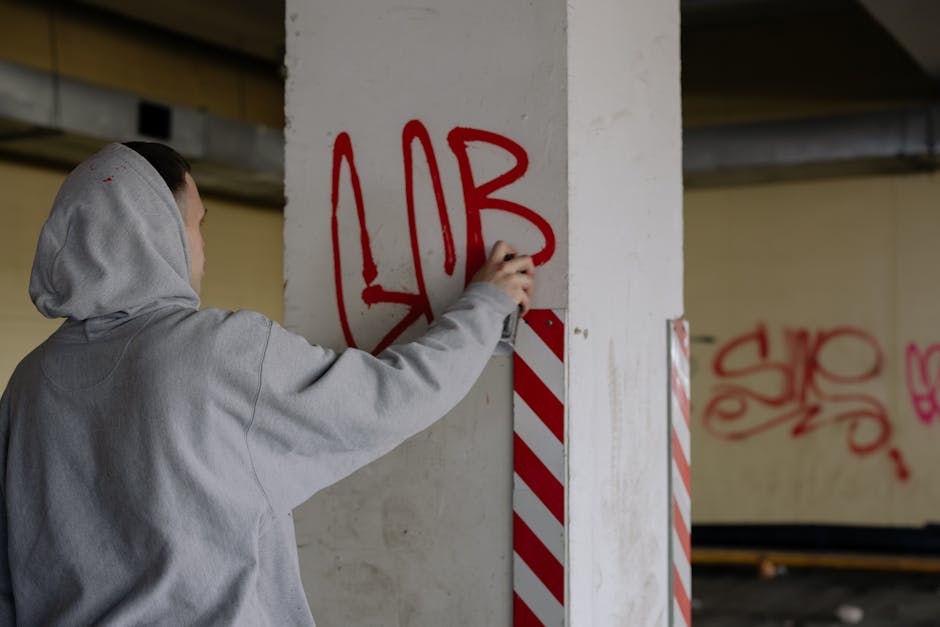
The debate surrounding street art and vandalism remains one of the most contentious issues in contemporary urban culture. While some view colorful murals and graffiti as legitimate artistic expression that enlivens public spaces, others see unauthorized markings on buildings and infrastructure as criminal damage requiring punishment. This dichotomy reflects deeper questions about property rights, artistic freedom, and who controls visual culture in shared spaces.

The Legal Definition of Vandalism and Property Rights

At the core of the vandalism classification lies a fundamental legal principle: property rights. In most jurisdictions, vandalism is defined as the intentional destruction, damage, or defacement of property without the owner's consent. When street artists apply paint, paste, or other materials to surfaces they don't own or haven't received permission to use, they technically violate property laws regardless of the aesthetic quality or social message of their work.

Property owners invest significant resources in maintaining their buildings and structures. When unauthorized art appears on these surfaces, owners often face costs for cleaning or removal, which can range from hundreds to thousands of dollars depending on the scale and location. This financial burden creates legitimate grievances, particularly for small business owners and residential property holders who may lack the resources for constant maintenance.

Municipal Concerns and Public Safety

City governments and municipal authorities view unauthorized street art through multiple lenses that extend beyond simple property damage. Their concerns include:

  • Maintenance costs for public infrastructure, including bridges, transit systems, and government buildings
  • The potential for art to obscure important signage or safety warnings
  • The perception that visible street art may encourage additional vandalism or signal neglect in neighborhoods
  • The administrative burden of distinguishing between vandalism and sanctioned public art

The "broken windows theory," popularized in criminology during the 1980s, suggests that visible signs of disorder, including graffiti, can encourage more serious crimes. While this theory remains controversial and debated among scholars, it has influenced policy decisions in numerous cities that adopt zero-tolerance approaches to unauthorized street art.

Cultural and Aesthetic Disagreements

Not all street art achieves the same level of artistic merit, and this variability contributes to its classification as vandalism. While celebrated street artists like Banksy create thought-provoking works that command high prices in galleries, much street marking consists of simple tags, territorial markers, or hastily executed designs that many people find visually unappealing.

The subjective nature of art appreciation means that one person's masterpiece is another's eyesore. Property owners and community members who didn't consent to having their buildings decorated may find even technically skilled street art unwelcome. The lack of choice in exposure to the artwork—unlike museum visits or gallery exhibitions—creates resentment among those who feel their visual environment has been altered against their will.

Historical Context and Class Dynamics

The association between street art and vandalism cannot be separated from broader social and economic factors. Street art emerged prominently in marginalized urban communities during the 1970s and 1980s, often created by youth from lower-income backgrounds. This origin story connected street art with counterculture movements and challenges to established authority.

Authorities in many cities viewed early graffiti movements as symptoms of urban decay and social disorder rather than legitimate artistic expression. This perspective was reinforced by class and racial dynamics, as predominantly Black and Latino youth who pioneered hip-hop graffiti culture faced harsh penalties while similar unauthorized artistic interventions in affluent neighborhoods sometimes received more lenient treatment.

The Intent Versus Impact Dilemma

Street artists often argue that their work serves positive purposes: beautifying neglected spaces, delivering social commentary, reclaiming public spaces from corporate advertising, or giving voice to marginalized communities. However, legal systems typically prioritize the impact on property owners over the artist's intentions.

This creates a fundamental conflict between two perspectives. Artists see abandoned walls and blank surfaces as opportunities for creative expression and community engagement. Property owners and authorities see these same acts as violations of their rights to control their property's appearance. Neither perspective is entirely wrong, which explains why the debate persists across generations and geographies.

Economic Considerations and Gentrification

An ironic dimension to the street art debate involves gentrification and property values. In some neighborhoods, street art that was once prosecuted as vandalism later becomes commodified as part of an area's "authentic" character, potentially driving up property values and tourism. This transformation raises questions about consistency in enforcement and whose artistic expression receives validation.

Cities that once aggressively prosecuted street artists now sometimes commission murals as part of urban revitalization efforts. This selective acceptance suggests that the vandalism label often depends less on the act itself than on who performs it, where it occurs, and whether authorities deem it beneficial to economic development goals.

Finding Middle Ground Through Permission and Designated Spaces

Recognizing the impasse between artistic expression and property rights, many cities have developed compromise solutions. Legal graffiti walls, sanctioned mural programs, and artist application processes allow street art to flourish while respecting property rights and community input. These approaches acknowledge street art's cultural value while maintaining legal frameworks around consent and property use.

The continued classification of unauthorized street art as vandalism ultimately reflects society's ongoing negotiation between individual property rights, artistic freedom, and collective claims to public space. Understanding why street art faces legal sanctions requires examining not just the art itself, but the complex web of property law, municipal governance, cultural values, and social dynamics that shape urban life.