
















1 / 20 Questions
0 Points

Which continent recorded Earth's lowest temperature ever on record?

Asia

North America

Antarctica

Europe

Points won
0
Correct score
0%

More Quizzes

More Articles

Did You Know Game of Thrones Took 10 Years to Film?

Did You Know Game of Thrones Took 10 Years to Film?

⏱️ 7 min read

When HBO's epic fantasy series Game of Thrones premiered in April 2011, few could have predicted the cultural phenomenon it would become. The adaptation of George R.R. Martin's "A Song of Ice and Fire" novels captivated audiences worldwide for nearly a decade, concluding in May 2019. The ambitious production spanned an extraordinary period of time, involving unprecedented challenges, innovations, and achievements in television history. Here are ten fascinating facts about the decade-long journey of bringing Westeros to life.

Behind the Scenes of a Television Epic

1. The Unprecedented Production Timeline

Game of Thrones officially began filming in July 2010 and wrapped its final scenes in July 2018, representing eight years of active production. However, pre-production planning started as early as 2007, and post-production for the final season extended into early 2019. This meant that from initial concept to final broadcast, the series consumed nearly twelve years of creators David Benioff and D.B. Weiss's lives. Each season typically required five to six months of shooting, followed by extensive post-production work involving visual effects, editing, and sound design. The show's complex narrative and multiple filming locations made it one of the longest-running continuous television productions in history.

2. Filming Across Four Continents and Ten Countries

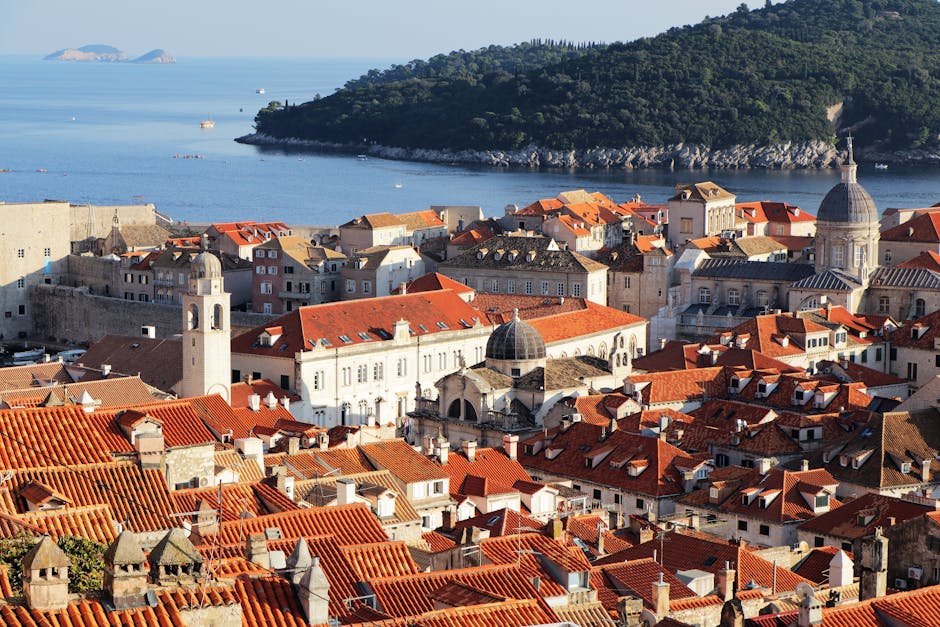
The production team transformed real-world locations into the Seven Kingdoms and beyond, filming in Northern Ireland, Scotland, Croatia, Iceland, Spain, Malta, Morocco, Canada, and the United States. Northern Ireland served as the production's home base, where the series built permanent sets at the Paint Hall Studios in Belfast. Croatia's Dubrovnik became synonymous with King's Landing, while Iceland's dramatic landscapes represented the lands beyond the Wall. This global filming schedule required moving hundreds of crew members, tons of equipment, and elaborate costumes across continents, making logistics an enormous undertaking that spanned the entire decade.

3. The Evolution of Visual Effects Technology

When Game of Thrones began, the visual effects team could render about three minutes of dragon footage per season. By the final season, entire battle sequences featured multiple dragons engaging in complex aerial combat. The series employed cutting-edge motion capture technology, with the VFX team growing from approximately 50 artists in season one to over 1,000 professionals working on the final season. The evolution of rendering technology over the decade allowed the show to become increasingly ambitious, with the later seasons featuring visual effects shots that would have been impossible or prohibitively expensive when production first began.

4. Cast Members Growing Up On Screen

Several actors were children or teenagers when filming commenced, literally growing up during the production. Maisie Williams was just twelve years old when cast as Arya Stark, while Sophie Turner was fourteen when she became Sansa Stark. Isaac Hempstead Wright, who played Bran Stark, went through puberty during filming, presenting unique challenges for maintaining character continuity. The decade-long production meant these young actors transitioned from childhood to adulthood while portraying their characters, creating a unique authenticity as their characters also matured throughout the story. Their physical transformations became part of the show's visual narrative.

5. Record-Breaking Battle Sequences

The production scale escalated dramatically over the years, culminating in "The Long Night" episode from season eight, which required 55 consecutive night shoots and involved over 750 crew members and actors. This single episode took eleven weeks to film, longer than many feature films. The Battle of the Bastards in season six took 25 days to shoot and involved 500 extras, 160 tons of gravel, and 70 horses. These extended filming periods were only possible because of the decade-long commitment to the series, allowing the production team to plan and execute increasingly ambitious set pieces.

6. The Costume Department's Monumental Achievement

Over ten years, the costume department created more than 10,000 individual costumes, many featuring intricate embroidery, leatherwork, and metalwork that took weeks or months to complete. Costume designer Michele Clapton and her team developed distinct visual identities for each of the Seven Kingdoms, with designs evolving as characters traveled and their circumstances changed. Cersei Lannister alone had over 60 different costume changes throughout the series. The armor pieces required particularly intensive labor, with some suits taking a single artisan several months to complete. This sustained creative effort across a decade resulted in some of television's most iconic and detailed costuming.

7. Weather and Climate Challenges Across Seasons

Filming across ten years meant contending with changing weather patterns, climate variations, and seasonal challenges. The production famously struggled to find snow in Northern Ireland for winter scenes, sometimes having to manufacture it. Conversely, summer filming in Spain and Morocco presented extreme heat challenges for actors wearing heavy costumes and armor. The decade-long timeline also meant that some locations changed dramatically due to natural causes, tourism impact, or development, requiring the production to adapt or find alternative filming sites. Climate considerations became increasingly important as the story progressed toward winter.

8. Building and Maintaining Permanent Sets

The Paint Hall Studios in Belfast housed massive permanent sets that remained standing for the entire production run, including Castle Black, Winterfell's interiors, and the Red Keep's throne room. These sets required constant maintenance, occasional rebuilding, and seasonal storage. Winterfell's outdoor set in Northern Ireland became one of the largest outdoor television sets ever constructed, with real stone walls and practical buildings that had to weather actual storms and seasons over the years. The investment in permanent infrastructure was only feasible because of the guaranteed multi-year production schedule.

9. The Massive Script Evolution Process

Showrunners Benioff and Weiss worked closely with George R.R. Martin throughout the decade, especially as the television series eventually overtook the published books. The writing process evolved from adapting existing material to creating original storylines in collaboration with Martin, who shared his intended ending and major plot points. This transition occurred gradually over the middle seasons, representing a unique challenge in television history. The decade-long timeline allowed for careful planning of character arcs and plot developments, with writers having the luxury of knowing the series' endpoint while crafting the journey.

10. The Economic Impact on Filming Locations

Over ten years, Game of Thrones transformed local economies in its filming locations, particularly Northern Ireland, which saw tourism increase by over 250% during the show's run. The production employed thousands of local crew members, extras, and service providers across multiple countries, pumping millions into regional economies annually. Dubrovnik, Croatia, experienced such significant tourism growth that the city eventually had to implement visitor caps. The sustained presence of production over a decade created lasting infrastructure improvements and training opportunities in film production across multiple countries, leaving a legacy beyond the series itself.

A Decade That Changed Television

The ten-year journey of Game of Thrones represented more than just a long production schedule—it demonstrated that television could sustain cinematic ambition, narrative complexity, and production quality over an extended period. The series proved that audiences would commit to long-form storytelling with patient character development and intricate plotlines. From technological innovations to the careers it launched, from the locations it immortalized to the industry standards it set, Game of Thrones' decade-long production created ripple effects throughout the entertainment industry. The commitment required from cast, crew, and creators to dedicate ten years to a single project was unprecedented in television and may never be replicated. This extraordinary investment of time and resources resulted in a cultural touchstone that defined a generation of television and demonstrated the medium's potential for epic storytelling on a scale previously reserved for cinema.
Top 10 Medical Dramas That Got It Right

Top 10 Medical Dramas That Got It Right

⏱️ 7 min read

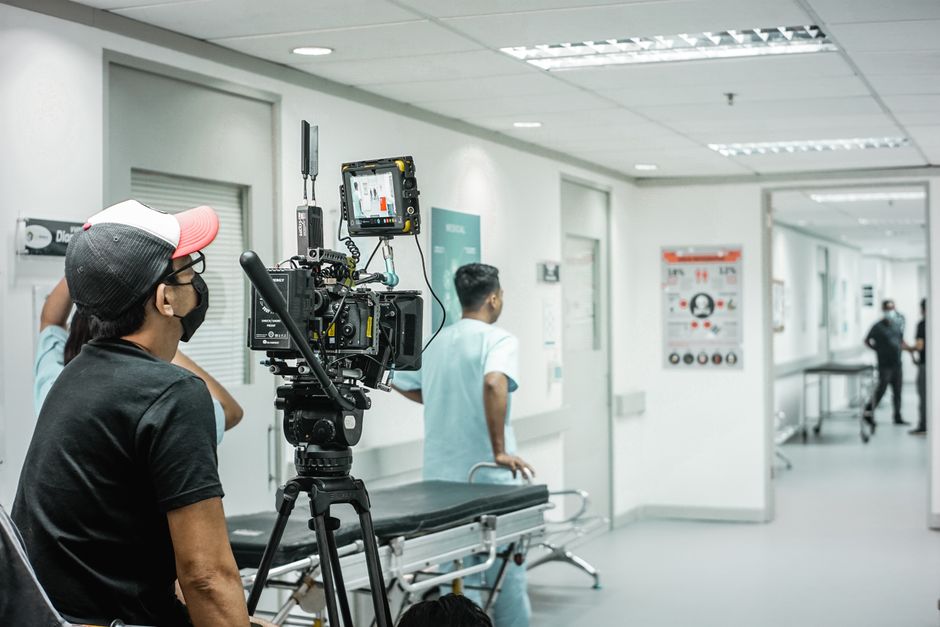
Medical dramas have captivated television audiences for decades, but not all shows treat the complexities of healthcare with equal accuracy. While dramatic license is often necessary for entertainment, some series have managed to strike an impressive balance between compelling storytelling and medical authenticity. These shows have earned praise from healthcare professionals for their attention to detail, realistic portrayal of hospital dynamics, and commitment to depicting medicine as it truly exists. From consulting with medical experts to hiring physicians as writers, these productions have set the gold standard for accuracy in televised healthcare.

The Most Medically Accurate Television Series

1. Scrubs - The Emotional Reality of Medical Training

Despite its comedic format, Scrubs consistently earned recognition from medical professionals as one of the most realistic portrayals of hospital life. The show captured the emotional and psychological challenges faced by young doctors, from coping with patient deaths to navigating complex hierarchies. Real physicians have noted that while the show used humor, it accurately depicted the camaraderie among medical staff, the exhaustion of long shifts, and the way doctors use humor as a coping mechanism. The series didn't shy away from showing medical mistakes and their consequences, making it educational as well as entertaining. Creator Bill Lawrence worked closely with medical consultants to ensure the show's scenarios, though sometimes exaggerated for comedic effect, remained grounded in real hospital experiences.

2. ER - The Pioneer of Authentic Medical Storytelling

ER revolutionized medical dramas when it premiered in 1994, setting new standards for authenticity that influenced every medical show that followed. The series employed actual emergency room physicians as writers and consultants, including technical advisor Dr. Lance Gentile. The show's use of accurate medical terminology, realistic trauma scenarios, and proper procedures made it required viewing in some medical schools. ER depicted the chaotic nature of emergency medicine, the difficult decisions doctors must make under pressure, and the systemic issues affecting healthcare delivery. The series didn't glamorize medicine; instead, it showed the gritty, exhausting reality of saving lives in an underfunded urban hospital.

3. The Resident - Exposing Healthcare System Failures

The Resident distinguished itself by tackling controversial aspects of modern healthcare that most medical dramas avoid. The show addresses pharmaceutical corruption, insurance company interference, medical device failures, and the business side of hospital management that often conflicts with patient care. Medical professionals have praised the series for its willingness to show how economic pressures affect medical decisions and how doctors must sometimes fight against bureaucracy to provide proper care. While some plotlines are dramatized, the underlying systemic issues the show highlights are very real concerns within the medical community.

4. M*A*S*H - Wartime Medicine and Ethical Dilemmas

Set during the Korean War, M*A*S*H portrayed battlefield medicine with remarkable accuracy for its era. The show depicted the triage process, the psychological toll of treating massive casualties, and the ethical challenges of wartime medicine. Real military surgeons who served in Korea and Vietnam praised the series for capturing the improvisation required when resources are limited and the emotional burden of deciding who receives treatment first. Beyond the medical accuracy, M*A*S*H realistically portrayed how medical professionals cope with trauma through humor and camaraderie, a pattern recognized by healthcare workers in high-stress environments.

5. House - The Diagnostic Process Done Right

While House took creative liberties with its central character's behavior, the show's approach to medical diagnosis earned praise from physicians. Each episode followed a structured differential diagnosis process that mirrors real medical problem-solving. The series consulted with Dr. Lisa Sanders, who writes the "Diagnosis" column for The New York Times Magazine, ensuring that the medical mysteries, though rare, were based on actual conditions. House demonstrated how doctors work through complex cases by testing hypotheses, eliminating possibilities, and sometimes learning from initial mistakes. The show educated viewers about rare diseases and the detective work involved in solving difficult medical cases.

6. Code Black - The Reality of Overcrowded Emergency Rooms

Based on a documentary about Los Angeles County Hospital, Code Black portrayed the extreme conditions in America's busiest emergency rooms. The show accurately depicted "code black" situations where hospitals have more patients than resources, forcing impossible decisions about care. Medical consultants ensured the series showed realistic trauma responses, proper emergency procedures, and the systemic problems facing public hospitals. Healthcare workers praised the show for highlighting the dedication of staff working in underfunded facilities and the disparities in healthcare access that affect treatment outcomes.

7. St. Elsewhere - The Gritty Teaching Hospital Experience

This 1980s series set the template for realistic medical dramas by focusing on a run-down teaching hospital in Boston. St. Elsewhere dealt with controversial topics including AIDS (during the epidemic's early years), medical ethics, mental illness, and healthcare inequality. The show portrayed the teaching hospital environment authentically, showing the relationship between attending physicians and residents, the learning process, and how teaching hospitals serve disadvantaged populations. Medical professionals appreciated the show's willingness to depict doctors as flawed humans who make mistakes and struggle with the weight of their responsibilities.

8. Chicago Med - Modern Emergency Medicine Protocols

Part of Dick Wolf's Chicago franchise, Chicago Med has earned recognition for its attention to current medical protocols and contemporary healthcare issues. The show works with medical consultants to ensure accurate depiction of emergency department operations, trauma responses, and hospital policies. It has tackled timely topics including the opioid crisis, medical consent issues, and pandemic preparedness. The series shows the multidisciplinary nature of hospital care, accurately portraying how doctors, nurses, and specialists collaborate. Medical professionals have noted the show's realistic depiction of electronic health records, hospital bureaucracy, and the challenges of balancing patient care with administrative demands.

9. Call the Midwife - Historical Medical Accuracy

This British series set in 1950s and 1960s London provides an accurate portrayal of midwifery, obstetric care, and public health nursing during a transformative period in medicine. The show depicts authentic medical practices of the era, including home births, the introduction of modern prenatal care, and the challenges of providing healthcare in impoverished communities. Medical historians and midwives have praised the series for its detailed research into period-appropriate procedures, the evolution of maternal healthcare, and the public health challenges of post-war Britain. The show also addresses social issues affecting health, including poverty, inadequate housing, and limited access to healthcare.

10. New Amsterdam - Healthcare Reform and Patient-Centered Care

Based on the real Bellevue Hospital in New York City, New Amsterdam focuses on systemic healthcare reform and putting patients first despite institutional obstacles. The show addresses contemporary healthcare challenges including insurance barriers, healthcare deserts, mental health integration, and the social determinants of health. Medical professionals have praised the series for highlighting how non-medical factors like housing, food security, and transportation affect health outcomes. While the show's idealistic medical director character operates with unusual autonomy, the healthcare problems he tackles and the innovative solutions explored are drawn from real reform efforts in hospital systems across the country.

Why Medical Accuracy Matters in Television

These ten series demonstrate that medical accuracy and compelling storytelling are not mutually exclusive. By consulting with healthcare professionals, hiring medical experts as writers, and committing to authentic portrayals of both medical procedures and the healthcare system, these shows have educated audiences while entertaining them. They've influenced public perception of medicine, inspired future healthcare workers, and sometimes even sparked important conversations about healthcare policy and reform. Their success proves that viewers appreciate authenticity and that television can be both dramatically satisfying and medically responsible.