









⏱️ 9 min read
The cheerful family game nights of today often rest on foundations of war, death, and ancient rituals. Many beloved board games trace their ancestry to practices involving human sacrifice, military strategy for actual battles, and macabre gambling traditions that cost players far more than just their dignity.
Quick Facts
- Snakes and Ladders originated as an Indian moral teaching tool about karma and spiritual liberation from the cycle of rebirth
- Chess pieces were originally designed to represent actual divisions of the Indian army, including war elephants and chariots
- The Ouija board was patented in 1890 and marketed as a parlor game before becoming associated with séances and spiritualism
- Playing cards likely evolved from Chinese "money cards" used in the 9th century, with suits representing different denominations of currency
- Mancala is among the oldest known games, with boards carved into Ethiopian temples dating to the 6th or 7th century
1. Snakes and Ladders: A Journey Through Karmic Punishment
This seemingly innocent children's game began in ancient India as Moksha Patam, a religious teaching tool designed to illustrate the Hindu concepts of karma and reincarnation. The ladders represented virtues like generosity and faith that elevated the soul toward moksha (liberation), while snakes symbolized vices such as lust, anger, and murder that dragged players down into lower forms of reincarnation. The British colonized and sanitized the game in the 1890s, stripping away its spiritual dimension and transforming a meditation on cosmic justice into simple entertainment where morality became irrelevant.
2. Chess: Born from Bloody Battlefield Strategy
Chess emerged around the 6th century in India as Chaturanga, a war game whose pieces directly represented the four divisions of the Indian military: infantry (pawns), cavalry (knights), elephants (bishops), and chariots (rooks). Players would study the game to develop actual military tactics, making it far more than recreation—it was training for commanders who would lead real soldiers to their deaths. When the game spread to Persia and then medieval Europe, the violent context remained; the word "checkmate" derives from the Persian "Shah Mat," meaning "the king is dead," a phrase that would have accompanied actual regicide in the tumultuous courts where chess became popular.
3. The Ouija Board: Spiritualism's Dangerous Toy
Though marketed as a harmless parlor game when Elijah Bond patented it in 1890, the Ouija board emerged during America's Spiritualism movement when grieving Civil War widows desperately sought contact with dead husbands and sons. The board's name allegedly came from a séance session where the board itself spelled out "Ouija" and claimed it meant "good luck" in Egyptian (it doesn't). By 1920, after World War I claimed millions more lives, grieving families turned the talking board into a tool for what many believed was genuine necromancy, with Pearl Curran claiming to channel a 17th-century spirit named Patience Worth who dictated novels and poetry through the board.
4. Mancala: From Ancient Temples to Slave Ship Decks
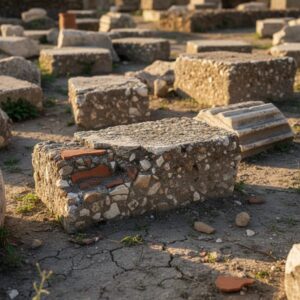
Mancala games are among humanity's oldest, with Ethiopian rock-cut boards in the Matara temple complex dating to between 500 and 700 CE, though some historians suggest the game may be even older. The dark chapter of mancala's history came during the Atlantic slave trade, when enslaved Africans carved mancala boards into the wooden decks of slave ships to preserve their cultural identity and maintain sanity during the horrific Middle Passage. These carved boards became silent witnesses to one of history's greatest atrocities, transforming a game of mathematical strategy into a desperate grasp at humanity in the most inhumane conditions imaginable.
5. Go: Training Grounds for Ancient Chinese Warlords
Go originated in China more than 2,500 years ago as a teaching tool for military strategy and territorial conquest. The game's objective—surrounding and capturing your opponent's stones to claim territory—directly mirrors the ruthless expansion tactics of warring states during China's bloodiest periods. Emperor Yao allegedly created the game around 2300 BCE to discipline his son, Dan Zhu, though historians place its actual origins during the Zhou Dynasty when constant warfare made strategic thinking a survival necessity. The game remained intimately connected with warrior culture; Japanese samurai were required to master Go as part of their training, viewing it as preparation for the life-or-death territorial battles they would face.
6. Playing Cards: Gambling Away Lives and Fortunes
Playing cards emerged in 9th-century China during the Tang Dynasty, possibly evolving from paper currency itself, which explains why early card games focused on gambling. As cards spread to Europe in the 14th century, they became associated with vice, deception, and ruinous gambling that destroyed families and fortunes. In 1397, authorities in Ulm, Germany banned card games entirely after they contributed to widespread poverty and crime. The four suits in Western decks may represent the four classes of medieval society, with each pip reminding players of the social order they might violate through excessive gambling—a warning largely ignored as card games remained linked to underground gambling dens, cheating scandals, and even murders over disputed games well into the 20th century.
7. Monopoly: Born from Anti-Capitalist Protest
Monopoly's original version, "The Landlord's Game," was created in 1903 by Elizabeth Magie, a Quaker and follower of economist Henry George who believed land monopolies caused poverty. Magie designed the game specifically to demonstrate how rents enrich landlords while impoverishing tenants, intending it as a scathing critique of capitalist excess. The game included two rule sets: one monopolistic (where players crushed opponents) and one prosperous (where all benefited from wealth creation). Ironically, Charles Darrow appropriated and commercialized the monopolistic version in 1935 during the Great Depression, stripping away the anti-capitalist message and transforming a warning about economic injustice into a celebration of the very wealth accumulation Magie had condemned.
8. Backgammon: Gambling in the Shadow of Execution
Backgammon descends from the ancient Persian game "Nard," which itself evolved from the Royal Game of Ur, played in Mesopotamia around 3000 BCE. Throughout its history, backgammon has been intimately connected with high-stakes gambling that ruined lives. In medieval England, backgammon and similar games were repeatedly banned because soldiers gambled away their weapons, armor, and pay, leaving armies vulnerable. The game's association with gambling grew so severe that in 16th-century England, Cardinal Wolsey ordered all backgammon boards burned, though the game's addictive combination of strategy and chance ensured it survived in underground gambling establishments where debts led to violence and occasionally death.
9. Mahjong: Secret Societies and Opium Dens
Mahjong emerged in China during the Qing Dynasty in the mid-to-late 19th century, becoming inseparable from the opium dens and secret societies that flourished during that chaotic period. The game quickly became the preferred pastime in opium establishments, where drug-addled players would gamble for days, often losing everything. The tiles themselves contain symbolic references to Chinese cosmology and may encode secret messages used by the Taiping Rebellion and other revolutionary groups. When mahjong spread to the West in the 1920s, it carried this dark reputation; American missionaries returning from China reported the game's association with gambling addiction, organized crime syndicates, and the opium trade that was devastating Chinese society.
10. Dungeons & Dragons: Moral Panic and Alleged Occultism
When Gary Gygax and Dave Arneson published Dungeons & Dragons in 1974, they likely didn't anticipate it would be blamed for teenage suicides, murders, and Satanic ritual abuse. The "Satanic Panic" of the 1980s saw fundamentalist Christian groups claim the game opened portals to demonic possession, citing the 1979 disappearance of Michigan State University student James Dallas Egbert III (who played D&D) as evidence. Private investigator William Dear wrote a sensationalized book linking the game to occultism, and the 1982 suicide of Irving "Bink" Pulling II led his mother to form BADD (Bothered About Dungeons & Dragons), which campaigned against the game nationwide. Though later debunked, these accusations created a moral panic that led to book burnings, school bans, and genuine fear that a board game could corrupt souls—a modern witch hunt centered on dice and character sheets.
Frequently Asked Questions
What is the oldest board game still played today?
The Royal Game of Ur, dating to approximately 2600 BCE in ancient Mesopotamia, is among the oldest, though Senet from ancient Egypt (circa 3100 BCE) and Go from China (over 2,500 years old) also claim ancient origins. Mancala-style games also compete for this distinction, with evidence of play dating back over 1,300 years in Ethiopia.
Why was Dungeons & Dragons considered Satanic in the 1980s?
The Satanic Panic of the 1980s led religious groups to claim D&D promoted occultism because the game featured magic spells, demons, and fantasy violence. High-profile cases like the disappearance of James Dallas Egbert III in 1979 and Irving Pulling's suicide in 1982 were wrongly blamed on the game, creating widespread fear despite no credible evidence linking D&D to harmful occult practices.
Did Monopoly really start as an anti-capitalist game?
Yes, Elizabeth Magie created "The Landlord's Game" in 1903 to demonstrate the negative aspects of land monopolies and wealth concentration, based on Henry George's economic theories. The game was designed to show how monopolistic practices harm society, the opposite message of the commercial Monopoly version that celebrates competitive wealth accumulation.
What game has the darkest historical origin?
Mancala games carved into slave ship decks during the Atlantic slave trade represent perhaps the darkest context, as enslaved people played to maintain their humanity during unimaginable suffering. However, many ancient games including chess, Go, and backgammon were directly connected to warfare, death, and societal violence in ways that modern players rarely consider.
Key Takeaways
- Many popular board games originated as teaching tools for religious concepts, military strategy, or social criticism rather than pure entertainment
- Games like Snakes and Ladders and Monopoly had their original moral and political messages stripped away during commercialization, reversing their creators' intentions
- The history of board games is inseparable from gambling addiction, which led to repeated bans and moral crusades across different cultures and time periods
- Contemporary moral panics, such as the Satanic Panic surrounding Dungeons & Dragons, show that society continues to project dark fears onto games despite lacking evidence of actual harm