






1 / 10 Questions
0 Points
Points won
0
Correct score
0%

More Quizzes

More Articles

Why Van Gogh Only Sold One Painting in His Lifetime

Why Van Gogh Only Sold One Painting in His Lifetime

⏱️ 5 min read

Vincent van Gogh stands today as one of the most celebrated and influential artists in history, with his works commanding tens of millions of dollars at auction. Yet during his lifetime, the Dutch post-impressionist painter struggled in obscurity, selling only a single confirmed painting before his death in 1890. This stark contrast between his current fame and his lifetime obscurity offers a fascinating glimpse into the art world of the late 19th century and the challenges faced by innovative artists who dared to break from convention.

The Revolutionary Style That Was Too Ahead of Its Time

Van Gogh's artistic approach was dramatically different from what the art-buying public expected during the 1880s. While the established art world favored highly polished academic paintings with smooth brushwork and realistic renderings, Van Gogh employed thick, expressive brushstrokes and bold, unconventional color choices. His impasto technique, where paint was applied so thickly that it created texture on the canvas, was considered crude and unfinished by contemporary standards.

The late 19th-century art market was dominated by conservative tastes that preferred classical subjects, historical scenes, and idealized landscapes. Van Gogh's raw emotional intensity and his focus on ordinary subjects—peasants, workers, simple rooms, and everyday objects—held little appeal for wealthy collectors who decorated their homes with prestigious, traditional artwork. His swirling skies, vibrant yellows, and intense blues were too jarring for audiences accustomed to more subdued palettes.

Limited Professional Networks and Social Isolation

Success in the 19th-century art world depended heavily on personal connections, social standing, and relationships with influential dealers and critics. Van Gogh, however, was notoriously difficult in social situations, suffered from mental health issues, and often alienated potential supporters with his intense personality and erratic behavior. His struggles with depression, anxiety, and what many historians believe was bipolar disorder made it challenging to maintain the professional relationships necessary for commercial success.

Unlike many successful artists of his era who cultivated relationships with wealthy patrons and moved in elite social circles, Van Gogh spent much of his career in relative isolation. His time in Arles, where he produced some of his most famous works, was marked by loneliness and mental breakdowns. His infamous incident of cutting off part of his own ear further damaged his reputation and made potential buyers wary of associating with him.

The Dominance of the Paris Salon System

The Paris Salon, the official art exhibition of the Académie des Beaux-Arts, was the primary gateway to success for artists in the 19th century. Acceptance into the Salon meant visibility, prestige, and potential sales. However, Van Gogh's work was repeatedly rejected by this establishment, effectively shutting him out of the most important marketplace for art.

The Salon jury favored technically precise, conventionally beautiful works that adhered to established academic principles. Van Gogh's paintings, with their emotional rawness and technical unconventionality, stood little chance of acceptance. Without this crucial platform, he remained largely unknown to the collectors and critics who could have championed his work.

Financial Dependence and Limited Marketing Ability

Throughout his career, Van Gogh relied almost entirely on financial support from his younger brother Theo, an art dealer who sent him a monthly allowance. This arrangement, while allowing Vincent to continue painting, also meant he had limited resources for self-promotion or establishing his own gallery presence. He couldn't afford to frame his paintings properly or rent exhibition space, both essential for attracting serious buyers.

Van Gogh's brief career as a professional artist—he only painted seriously for about a decade—also worked against him. Building a reputation and collector base typically required years of consistent exhibition and gradual recognition. Van Gogh's frequent relocations between the Netherlands, Belgium, and various locations in France further disrupted any momentum he might have built in establishing himself in a particular art community.

The One Confirmed Sale: The Red Vineyard

The single painting Van Gogh definitively sold during his lifetime was "The Red Vineyard" (also known as "The Red Vines"), purchased by the Belgian painter and collector Anna Boch for 400 francs in 1890, just months before Van Gogh's death. The sale occurred at an exhibition in Brussels organized by Les XX, a group of avant-garde Belgian artists who were more receptive to innovative approaches than the conservative Paris establishment.

This lone transaction, while modest, represented a small breakthrough that came too late in Van Gogh's life to provide any real relief from his financial struggles or to build meaningful momentum for his career. Some art historians suggest there may have been one or two other informal sales or exchanges, but "The Red Vineyard" remains the only documented commercial sale confirmed by historical records.

The Ironic Legacy of Posthumous Fame

The factors that made Van Gogh's work unsellable during his lifetime—the emotional intensity, bold colors, expressive brushwork, and rejection of academic conventions—became precisely the qualities that made him celebrated after his death. As artistic tastes evolved in the early 20th century, collectors and critics began to appreciate the raw emotion and innovative techniques that Van Gogh had pioneered.

His sister-in-law Johanna van Gogh-Bonger played a crucial role in this transformation, tirelessly promoting his work and carefully organizing exhibitions after both Vincent and Theo had died. Her dedication, combined with changing artistic sensibilities and the rise of movements like Expressionism that valued emotional authenticity over technical perfection, gradually elevated Van Gogh to the status he holds today.

Van Gogh's story serves as a powerful reminder that artistic merit and commercial success don't always align, particularly for innovators whose vision extends beyond their era's conventional understanding. His lonely struggle and posthumous triumph continue to inspire artists who work outside mainstream acceptance, offering hope that truly original work may eventually find its audience, even if that recognition comes too late for the creator to witness.
14 Amazing Facts About Asia’s Geography

14 Amazing Facts About Asia’s Geography

⏱️ 6 min read

Asia stands as the world's largest and most diverse continent, covering approximately 17.2 million square miles and hosting over 4.6 billion people. From the highest peaks on Earth to the lowest points on land, from vast deserts to lush rainforests, Asia's geographical features present some of the most extraordinary natural phenomena on our planet. The continent's unique positioning, geological history, and climatic variations have created landscapes that continue to fascinate geographers, scientists, and travelers alike.

Remarkable Geographic Features of the Asian Continent

1. Mount Everest: The World's Highest Point Above Sea Level

Standing at 29,032 feet (8,849 meters) above sea level, Mount Everest represents the ultimate geographical superlative. Located in the Himalayas on the border between Nepal and Tibet, this massive peak continues to grow approximately 4 millimeters each year due to ongoing tectonic activity. The mountain's extreme elevation creates a unique environment where atmospheric pressure is only one-third of that at sea level, making it one of the most challenging places for human survival on Earth.

2. The Dead Sea: Earth's Lowest Land Elevation

The Dead Sea's surface sits at approximately 1,410 feet (430 meters) below sea level, making it the lowest point on Earth's land surface. This hypersaline lake bordered by Jordan, Israel, and the West Bank contains salt concentrations nearly ten times higher than ocean water. The unique geological depression continues to drop by about 3 feet annually, creating ongoing changes to this remarkable geographical feature.

3. The Himalayas: The World's Youngest Mountain Range

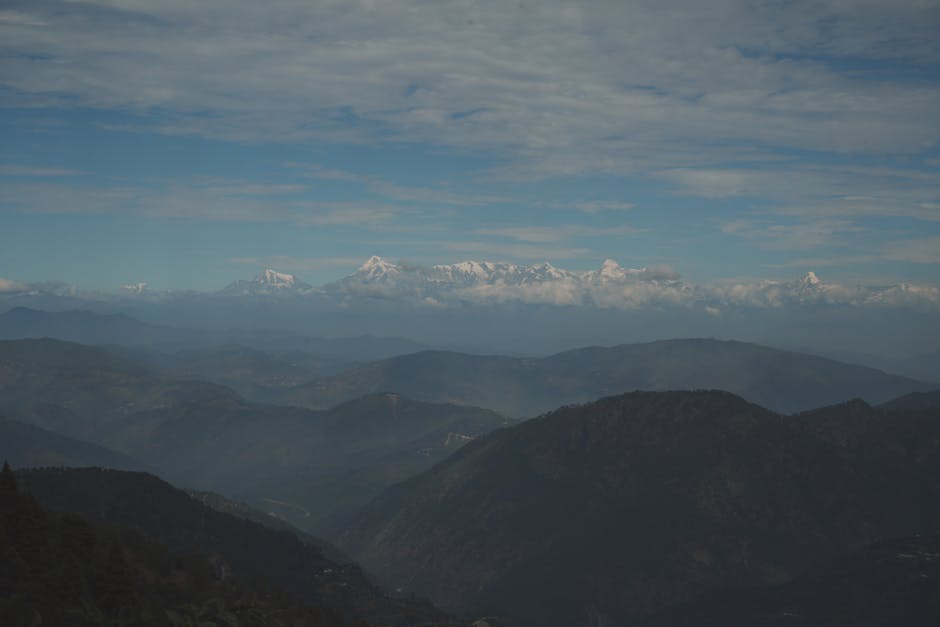
Formed approximately 50 million years ago when the Indian subcontinent collided with the Eurasian plate, the Himalayas represent the world's youngest major mountain range. This massive chain stretches across 1,500 miles and includes over 100 peaks exceeding 23,600 feet. The continuing collision causes the Himalayas to rise several millimeters annually, making them a living example of Earth's dynamic geological processes.

4. Lake Baikal: The World's Deepest and Oldest Freshwater Lake

Located in southern Siberia, Russia, Lake Baikal plunges to depths of 5,387 feet, making it the deepest lake on Earth. At approximately 25-30 million years old, it also holds the distinction of being the world's oldest lake. This ancient body of water contains roughly 20% of the world's unfrozen freshwater reserves and hosts over 1,700 species of plants and animals, two-thirds of which exist nowhere else on the planet.

5. The Arabian Desert: A Massive Sand Sea

Covering approximately 900,000 square miles across the Arabian Peninsula, the Arabian Desert ranks among the world's largest continuous sand deserts. The Rub' al Khali, or Empty Quarter, within this desert represents the largest continuous sand desert in the world, featuring sand dunes that reach heights of 820 feet. This harsh environment experiences some of the highest temperatures on Earth, regularly exceeding 130°F during summer months.

6. The Yangtze River: Asia's Longest Waterway

Flowing 3,915 miles from the Tibetan Plateau to the East China Sea, the Yangtze River stands as Asia's longest river and the world's third-longest overall. This mighty waterway drains one-fifth of China's land area and provides water resources for approximately 400 million people. The river's basin encompasses diverse ecosystems, from high-altitude glaciers to subtropical wetlands.

7. Indonesia's Archipelago: The World's Largest Island Nation

Indonesia comprises approximately 17,000 islands stretching across 3,200 miles, making it the world's largest archipelagic state. This unique geography spans both sides of the equator and includes four of the world's twenty-five most populous islands. The nation's position along the Pacific Ring of Fire results in over 130 active volcanoes, representing one-quarter of the world's total.

8. The Gobi Desert: A Cold Desert of Extremes

Unlike typical desert imagery, the Gobi Desert experiences freezing temperatures and occasional snowfall, making it one of the world's largest cold deserts. Spanning 500,000 square miles across northern China and southern Mongolia, the Gobi expands southward at an alarming rate of 1,390 square miles annually due to desertification. This desert contains important paleontological sites where numerous dinosaur fossils and eggs have been discovered.

9. The Maldives: The World's Lowest-Lying Country

The Maldives holds the distinction of being the world's lowest country, with an average ground level of just 4.9 feet above sea level. This nation of 1,200 coral islands faces existential threats from rising sea levels, with 80% of its land area lying less than 3.3 feet above current sea levels. The geography consists entirely of coral atolls formed atop ancient volcanic mountains.

10. Siberia: A Vast Wilderness of Extremes

Covering approximately 5.1 million square miles, Siberia represents roughly 77% of Russia's total land area yet hosts only 27% of its population. This massive region experiences some of Earth's most extreme temperature variations, with the town of Oymyakon recording temperatures as low as -96°F. Siberia contains the world's largest forest, the taiga, and sits atop vast deposits of permafrost that store immense quantities of frozen carbon.

11. The Ganges Delta: The World's Largest River Delta

Formed by the confluence of the Ganges, Brahmaputra, and Meghna rivers, this delta system spans approximately 41,000 square miles across Bangladesh and India. The delta features the world's largest mangrove forest, the Sundarbans, which serves as critical habitat for the endangered Bengal tiger. This fertile region supports over 140 million people, making it one of the most densely populated areas on Earth.

12. The Caucasus Mountains: A Natural Continental Divide

Stretching approximately 750 miles between the Black Sea and Caspian Sea, the Caucasus Mountains form a natural barrier that traditionally marks the boundary between Europe and Asia. Mount Elbrus, Europe's highest peak at 18,510 feet, rises within this range. The region's complex topography has created numerous microclimates and isolated valleys that preserve unique linguistic and cultural diversity.

13. The Deccan Plateau: A Ancient Volcanic Formation

Covering most of central and southern India, the Deccan Plateau represents one of Earth's oldest landforms, composed primarily of volcanic basalt rock. This elevated region averages 2,000 feet in elevation and was formed by massive volcanic eruptions approximately 66 million years ago. These ancient lava flows created some of the world's thickest sequences of volcanic rock, reaching depths of over 6,500 feet in some areas.

14. The Ural Mountains: Earth's Oldest Mountain Range

Extending approximately 1,550 miles from the Arctic Ocean to Kazakhstan, the Ural Mountains represent one of the world's oldest mountain ranges, formed between 250-300 million years ago. These ancient mountains traditionally mark the continental boundary between Europe and Asia. Despite their age and relatively modest heights, with the highest peak reaching only 6,217 feet, the Urals contain rich mineral deposits including precious metals, gemstones, and fossil fuels.

Understanding Asia's Geographic Significance

These fourteen remarkable geographical features demonstrate Asia's extraordinary diversity and global significance. From holding both the highest and lowest points on Earth's surface to containing the world's oldest mountains and youngest peaks, Asia's geography represents billions of years of geological evolution. The continent's varied landscapes support immense biodiversity, provide resources for billions of people, and continue to shape global climate patterns. Understanding these geographical marvels helps us appreciate the dynamic nature of our planet and the delicate balance between human civilization and natural forces that continues to evolve across this vast continent.