











1 / 10 Questions
0 Points

Which Grocery Chain Began During The Depression?

Albertsons

Publix

Safeway

Kroger

Points won
0
Correct score
0%

More Quizzes

More Articles

Did You Know Penguins Propose with Pebbles?

Did You Know Penguins Propose with Pebbles?

⏱️ 5 min read

In the icy landscapes of Antarctica and surrounding regions, one of nature's most endearing courtship rituals unfolds each breeding season. Gentoo penguins, along with several other penguin species, engage in a behavior that remarkably mirrors human romantic gestures: presenting carefully selected pebbles to potential mates. This fascinating behavior has captured the imagination of researchers and animal enthusiasts alike, offering insights into the complex social behaviors of these charismatic birds.

The Pebble Courtship Ritual Explained

During the Antarctic breeding season, male penguins embark on a quest to find the perfect pebble to present to their chosen female. This isn't a casual selection process; male penguins will often search extensively for smooth, well-formed stones that stand out from the surrounding rocky terrain. Once a suitable pebble is found, the male approaches the female with the stone held carefully in his beak, bowing as he presents his offering.

If the female accepts the pebble, she places it in her nest, signaling her acceptance of the male as her mate. This acceptance marks the beginning of their partnership for that breeding season, and in many cases, for life. The pebble presentation serves as both a courtship gesture and a practical contribution to nest building, demonstrating the male's ability to provide resources for their future offspring.

Which Penguin Species Practice Pebble Courtship

While the pebble courtship behavior is most commonly associated with Gentoo penguins, several other species within the Pygoscelis genus also engage in this ritual. Adélie penguins are particularly known for their elaborate pebble exchanges, with males sometimes presenting multiple stones to prove their worthiness as mates. Chinstrap penguins similarly incorporate pebbles into their courtship displays.

These three species share similar nesting behaviors, constructing their nests from small stones and pebbles on rocky Antarctic shores. The availability of suitable nesting materials in their harsh environment makes pebbles a valuable commodity, adding practical significance to this romantic gesture.

The Science Behind Stone Selection

Research has revealed that penguin pebble selection is far from random. Males demonstrate clear preferences for certain characteristics when choosing stones for their prospective mates. Smooth, rounded pebbles are generally favored over rough or irregular ones. The size of the pebble also matters, with medium-sized stones typically preferred as they are easier to transport and arrange in nests.

Scientists have observed that penguins can spend considerable time examining potential pebbles, sometimes picking up and discarding multiple stones before finding one that meets their standards. This selectivity suggests that penguins possess the cognitive ability to evaluate and compare objects based on specific criteria, a trait that indicates more complex mental processing than previously attributed to these birds.

Nest Building and Pebble Importance

The significance of pebbles extends beyond courtship into the practical realm of nest construction and maintenance. Penguin nests made from pebbles serve several crucial functions in the harsh Antarctic environment:

  • Elevation: Raised pebble nests keep eggs and chicks above ground level, protecting them from meltwater and flooding during warmer periods
  • Drainage: The spaces between pebbles allow water to drain away, preventing eggs from sitting in cold, wet conditions
  • Insulation: The stone structure provides some insulation from the frozen ground beneath
  • Boundaries: Clear nest boundaries help prevent territorial disputes with neighboring penguins in crowded colonies

Both male and female penguins continue to add pebbles to their nests throughout the breeding season, with some nests containing hundreds of carefully arranged stones by the time eggs are laid.

Pebble Theft and Competition

In penguin colonies where suitable pebbles are scarce, competition for quality stones can become intense. Penguins have been observed stealing pebbles from neighboring nests, leading to disputes and territorial conflicts. These thefts typically occur when nest owners are away foraging or when they're distracted.

Some penguins have developed strategic behaviors to protect their pebble collections, with pairs taking turns guarding the nest while the other partner searches for food. The value placed on these stones in penguin society underscores the importance of the initial pebble gift during courtship, as it represents not only romantic interest but also access to valuable nesting resources.

Monogamy and Long-Term Pair Bonds

Many penguin species that engage in pebble courtship display high rates of mate fidelity, returning to the same partners year after year. Research suggests that successful breeding pairs are more likely to reunite in subsequent seasons, with some partnerships lasting for over a decade. The initial pebble exchange may serve as the foundation for these enduring bonds.

Divorce rates do exist in penguin populations, particularly when breeding attempts fail or when one partner arrives late to the breeding grounds. However, successful pairs often reunite at the same nesting site each year, sometimes even reusing pebbles from previous seasons' nests.

Conservation Implications and Human Impact

Understanding penguin courtship behaviors, including pebble presentations, provides valuable insights for conservation efforts. Changes in courtship patterns or nesting success can indicate environmental stresses affecting penguin populations. Climate change, which alters the Antarctic landscape and affects pebble availability through increased flooding or ice melt, poses potential threats to these traditional breeding behaviors.

Conservation programs monitoring penguin populations pay attention to nesting behaviors and success rates, using this data to assess overall colony health and identify emerging threats to these remarkable birds and their ancient courtship traditions.
Places Shaped Entirely by Natural Forces

Places Shaped Entirely by Natural Forces

⏱️ 5 min read

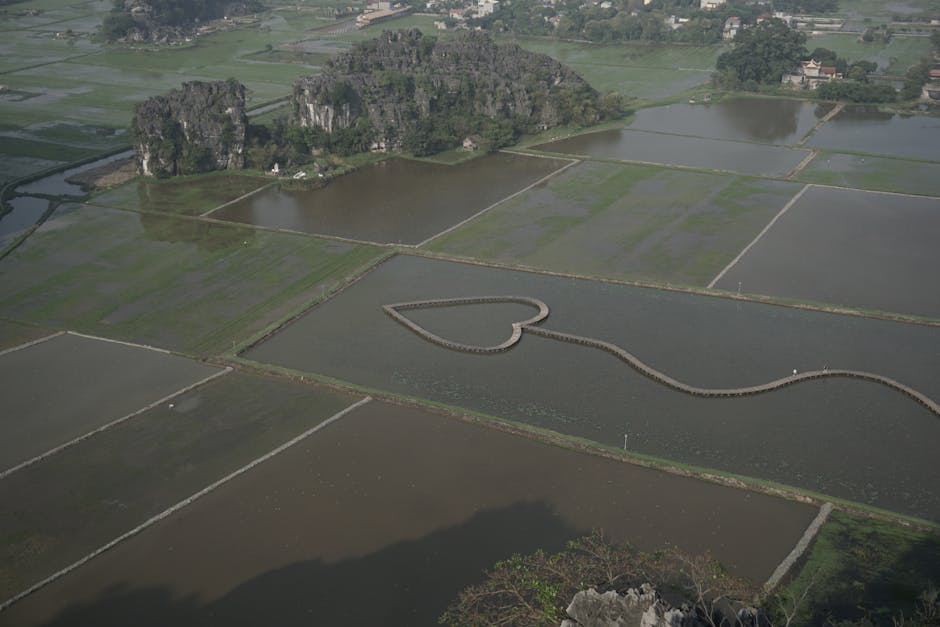
Across the globe, nature has sculpted some of the most breathtaking and unusual landscapes through processes that have unfolded over millions of years. These geological masterpieces stand as testament to the raw power of wind, water, ice, and tectonic forces, creating formations that challenge our understanding of the natural world. From towering rock pillars to massive canyons, these locations reveal the Earth's dynamic history written in stone, sand, and ice.

The Power of Water Erosion

Water remains one of the most transformative forces in shaping Earth's surface. Over millennia, flowing water carves through rock, creating dramatic landscapes that continue to evolve. The Grand Canyon in Arizona exemplifies this process, where the Colorado River has cut through layers of rock for approximately six million years, exposing nearly two billion years of geological history. The canyon stretches 277 miles long, reaches depths of over a mile, and displays distinct color bands representing different geological epochs.

Similarly, China's Stone Forest in Yunnan Province showcases limestone karst formations created by water dissolution. These towering pillars of stone emerged as acidic rainwater slowly dissolved the surrounding limestone over 270 million years, leaving behind spectacular vertical formations that resemble a petrified forest. The site covers approximately 96,000 acres and represents one of the world's most impressive examples of karst topography.

Wind-Sculpted Wonders

Wind erosion, though often slower than water, creates equally remarkable landscapes, particularly in arid environments where vegetation cannot protect the surface. The Wave in Arizona presents undulating sandstone formations with smooth, wavelike patterns. These formations developed through millions of years of wind and water erosion, with iron oxide and other minerals creating the distinctive orange, red, and yellow bands that flow through the rock.

The White Desert in Egypt offers another stunning example of wind's artistic capabilities. Here, chalk rock formations have been sculpted into mushroom-shaped structures and abstract shapes through thousands of years of sandblasting winds. The stark white and cream-colored formations contrast dramatically against the golden desert floor, creating an otherworldly landscape that resembles an alien planet.

Volcanic Activity and Lava Formations

Volcanic forces have created some of Earth's most dramatic and unusual landscapes. The Giant's Causeway in Northern Ireland features approximately 40,000 interlocking basalt columns, most of which are hexagonal in shape. These columns formed about 60 million years ago when molten lava cooled rapidly, causing the rock to contract and crack in a uniform pattern. The columns vary in height, with some reaching up to 12 meters tall.

Iceland's volcanic landscape demonstrates ongoing geological processes, with features like the Vatnajökull ice cap sitting atop active volcanic systems. The interaction between ice and fire has created unique formations, including ice caves with walls that display vibrant blue hues due to light absorption properties in compressed ice. The country's position on the Mid-Atlantic Ridge means it continues to experience regular volcanic activity, constantly reshaping its terrain.

Glacial Sculpting and Ice Movement

Glaciers act as powerful bulldozers, carving valleys and reshaping mountains through their immense weight and slow but relentless movement. Yosemite Valley in California showcases classic U-shaped glacial valleys, carved during ice ages when glaciers thousands of feet thick flowed through the region. The valley's sheer granite walls, including formations like El Capitan and Half Dome, were shaped by both glacial activity and subsequent erosion.

The fjords of Norway represent perhaps the most dramatic glacial landscapes, where glaciers carved deep valleys that later filled with seawater. Sognefjord, Norway's longest fjord, extends over 120 miles inland and reaches depths of 4,291 feet. The steep valley walls rise dramatically from the water, creating landscapes of immense scale that demonstrate the tremendous erosive power of ice.

Tectonic Forces and Mountain Building

The movement of Earth's tectonic plates creates landscapes on a massive scale through mountain building, faulting, and uplift. The Himalayas continue to rise approximately 5 millimeters per year as the Indian and Eurasian plates collide. This ongoing process has created the world's highest peaks and transformed the region over millions of years.

The East African Rift Valley demonstrates continental rifting in action, where tectonic forces are literally pulling the African continent apart. This process has created a series of valleys, volcanic formations, and lakes over thousands of miles. The rift features distinctive escarpments, volcanic peaks, and deep valleys that showcase the dynamic nature of Earth's crust.

Cave Systems and Underground Formations

Beneath Earth's surface, water and chemical processes create intricate cave systems adorned with spectacular formations. Mammoth Cave in Kentucky represents the world's longest known cave system, with over 400 miles of surveyed passages. The cave formed through limestone dissolution, a process where slightly acidic groundwater slowly dissolved the rock over millions of years.

Stalactites, stalagmites, and other speleothems develop through mineral deposition as water drips through caves. New Mexico's Carlsbad Caverns contains the Big Room, one of the largest cave chambers in North America, featuring massive formations that have grown over hundreds of thousands of years through the gradual accumulation of calcium carbonate deposits.

Coastal Formations and Marine Erosion

Ocean waves, tides, and currents continuously reshape coastlines, creating distinctive features like sea stacks, arches, and blowholes. The Twelve Apostles along Australia's Great Ocean Road are limestone stacks that stand as remnants of a former cliff line. Wave action gradually eroded the softer rock, leaving these isolated pillars that continue to erode at approximately 2 centimeters per year.

These naturally sculpted places remind us of the dynamic nature of our planet and the profound timescales over which geological processes operate, offering invaluable insights into Earth's past and future transformations.