









⏱️ 6 min read
Cinema has given us countless memorable characters, but none linger in our collective consciousness quite like the villains who've terrorized heroes and audiences alike. These antagonists transcend their films, becoming cultural icons that define evil in all its forms—from the psychologically disturbing to the deliciously theatrical. The following villains have earned their place in movie history through unforgettable performances, iconic dialogue, and their ability to embody our deepest fears.
The Most Iconic Movie Villains of All Time
1. Hannibal Lecter - The Cultured Cannibal
Anthony Hopkins' portrayal of Dr. Hannibal Lecter in "The Silence of the Lambs" (1991) redefined what a movie villain could be. Despite appearing on screen for merely 16 minutes, Hopkins created a character so chilling and charismatic that he won the Academy Award for Best Actor. Lecter's combination of refined intellectualism, psychological manipulation, and savage brutality created a villain who was simultaneously terrifying and captivating. His calm demeanor while discussing cannibalism and his penetrating psychological insights into Clarice Starling made him far more than a simple monster. The character became so iconic that he appeared in multiple films and a television series, cementing his status as one of cinema's most sophisticated villains.
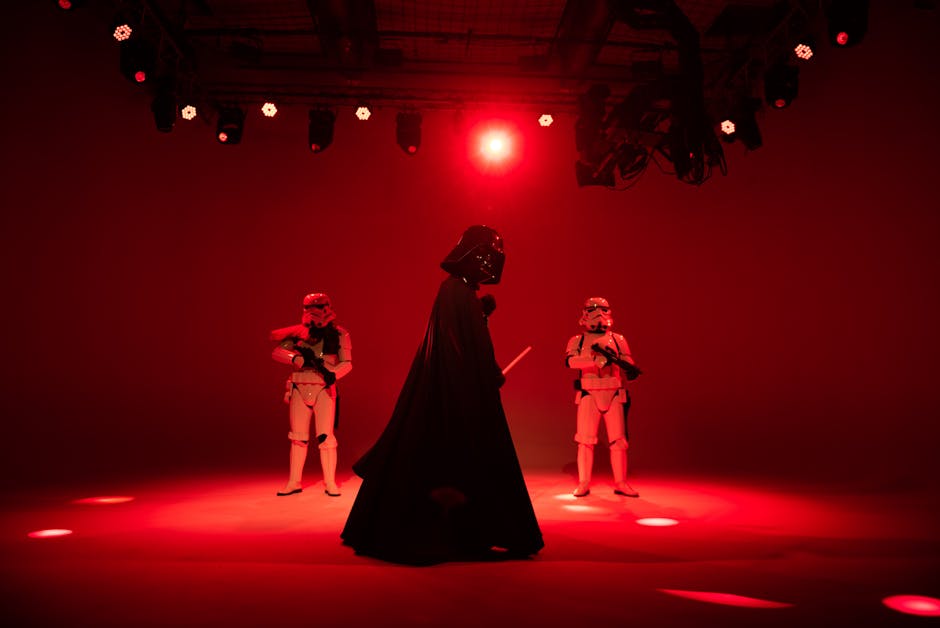
2. Darth Vader - The Dark Lord of the Sith
Few villains have achieved the cultural penetration of Darth Vader from the "Star Wars" franchise. Introduced in 1977's "A New Hope," Vader's imposing black armor, mechanical breathing, and deep voice created by James Earl Jones made him instantly iconic. Beyond his visual and auditory impact, Vader's complex backstory—revealed across the original and prequel trilogies—transformed him from a simple antagonist into a tragic figure. His redemption arc and the revelation of his paternal connection to Luke Skywalker added layers of emotional depth rarely seen in blockbuster villains. Vader's influence extends far beyond cinema, making him one of the most recognizable fictional characters in modern history.
3. The Joker - Chaos Personified
The Clown Prince of Crime has been portrayed by numerous actors, but Heath Ledger's interpretation in "The Dark Knight" (2008) elevated the character to unprecedented heights. Ledger's Joker was an agent of pure chaos, a villain without a traditional origin story or comprehensible motivation beyond watching the world burn. His anarchic philosophy, unsettling mannerisms, and the actor's complete immersion in the role created a performance that earned a posthumous Academy Award. The character's impact was so profound that it influenced how superhero films approached villainy, proving that comic book antagonists could be genuinely frightening and philosophically complex.
4. Norman Bates - The Boy Next Door
Alfred Hitchcock's "Psycho" (1960) introduced audiences to Norman Bates, a villain who appeared harmless until the film's shocking revelations. Anthony Perkins' portrayal of the motel owner with a troubled relationship with his mother created a template for psychological horror villains. Norman's split personality and the film's twist ending revolutionized thriller cinema. The character's influence on horror cannot be overstated, as he established the archetype of the seemingly normal person harboring dark secrets, inspiring countless imitators in the decades that followed.
5. Nurse Ratched - The Tyrannical Caregiver
Louise Fletcher's portrayal of Nurse Ratched in "One Flew Over the Cuckoo's Nest" (1975) created one of cinema's most subtle yet devastating villains. Unlike antagonists who rely on physical violence or obvious cruelty, Ratched wielded institutional power and psychological manipulation to maintain control over the mental ward's patients. Her calm, methodical approach to crushing the human spirit made her terrifying in a uniquely insidious way. Fletcher's performance earned her an Academy Award and created a character whose name became synonymous with institutional oppression and passive-aggressive authoritarianism.
6. Anton Chigurh - The Unstoppable Force
Javier Bardem's Oscar-winning performance as Anton Chigurh in "No Country for Old Men" (2007) brought to life one of cinema's most unsettling hitmen. With his distinctive bowl haircut, cattle gun weapon, and philosophical approach to murder, Chigurh represented an almost supernatural force of evil. His coin-flip methodology for determining victims' fates and his unwavering adherence to his own twisted moral code made him deeply disturbing. The character's relentless nature and the existential questions his actions raised contributed to the film's themes about fate, mortality, and the changing nature of evil in America.
7. Wicked Witch of the West - The Original Antagonist
Margaret Hamilton's portrayal of the Wicked Witch in "The Wizard of Oz" (1939) created the template for cinematic witches that persists today. Her green skin, cackling laugh, and iconic threats ("I'll get you, my pretty!") made her terrifying to generations of children. Despite limited screen time, the Witch became one of the most recognizable villains in film history. Her visual design influenced countless subsequent portrayals of witches and villains, and her role in one of cinema's most beloved films ensured her immortality in popular culture.
8. Keyser Söze - The Phantom Menace
The mysterious crime lord Keyser Söze from "The Usual Suspects" (1995) demonstrated how a villain's absence could be as powerful as their presence. Throughout the film, Söze's legendary reputation builds through stories of his ruthlessness, creating a mythic figure whose true identity remains obscured. The film's iconic twist ending retroactively recontextualizes everything viewers had witnessed, making Söze a villain defined by deception and manipulation. The character's name became shorthand for hidden masterminds, and the film's revelation remains one of cinema's most discussed plot twists.
9. Terminator - The Relentless Machine
Arnold Schwarzenegger's T-800 in "The Terminator" (1984) created a villain stripped of all humanity—literally. As a cybernetic assassin from the future, the Terminator represented technology's potential to destroy us, embodied in an unstoppable killing machine. Schwarzenegger's imposing physicality and minimal dialogue made the character genuinely frightening, while the film's premise tapped into fears about artificial intelligence and technological advancement. Though the character evolved into a hero in subsequent films, the original Terminator's cold, methodical pursuit of Sarah Connor created some of action cinema's most suspenseful sequences.
10. Voldemort - He Who Must Not Be Named
Ralph Fiennes' portrayal of Lord Voldemort across the "Harry Potter" film series brought to life one of literature's most feared villains for a new generation of moviegoers. The Dark Lord's quest for immortality, his pure-blood ideology, and his snake-like appearance made him a multi-dimensional antagonist. Voldemort represented both personal and political evil—threatening not just the protagonist but an entire society. His impact on popular culture, particularly among younger audiences, and the franchise's massive success ensured his place among cinema's most memorable villains.
The Lasting Legacy of Cinematic Evil
These ten villains have transcended their respective films to become cultural touchstones. They remind us that great antagonists are essential to great storytelling, providing heroes with worthy adversaries and audiences with characters who embody our fears and fascinations. Whether through psychological complexity, visual iconography, or sheer menacing presence, these villains have earned their immortality in cinema history. Their influence continues to shape how filmmakers approach villainy, proving that a memorable antagonist can be just as important as a compelling hero in creating an unforgettable film experience.