

1 / 10 Questions
0 Points

Which is the first national park established in the United States?

Grand Canyon National Park

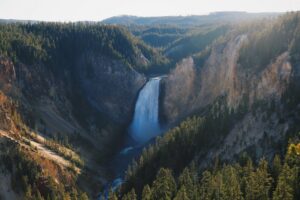
Yellowstone National Park

Yosemite National Park

Glacier National Park

Points won
0
Correct score
0%

More Quizzes

More Articles

Did You Know Friends Was Originally Called “Insomnia Café”?

Did You Know Friends Was Originally Called “Insomnia Café”?

⏱️ 5 min read

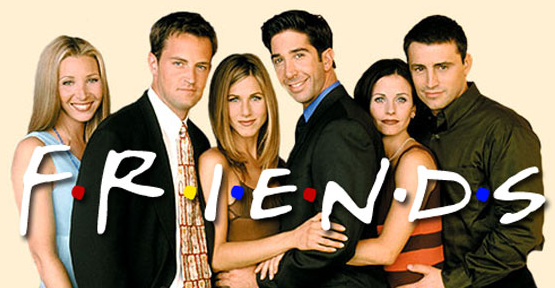
When "Friends" premiered on NBC in 1994, it became an instant cultural phenomenon that would go on to define a generation of television comedy. However, few fans realize that the beloved sitcom nearly had a completely different identity. The show that would eventually become one of the most successful series in television history was originally conceived under the title "Insomnia Café," a name that would have given the series an entirely different flavor and marketing approach.

The Original Vision Behind Insomnia Café

Creators David Crane and Marta Kauffman initially developed their concept for a show about six twenty-something friends navigating life in New York City under the working title "Insomnia Café." The name was inspired by the late-night coffeehouse culture that was thriving in the early 1990s, particularly in urban centers like New York City and Seattle. This was the era when coffee culture was experiencing a renaissance in America, with independent cafés becoming important social gathering spaces for young adults.

The original concept heavily emphasized the coffeehouse setting as a central meeting point for the characters, much like how Central Perk eventually functioned in the final version of the show. Crane and Kauffman envisioned a space where their characters could gather, share their struggles, celebrate their victories, and simply exist in each other's company during those restless, formative years of early adulthood.

The Evolution From Insomnia Café to Six of One

As the project developed and moved closer to production, the title underwent several transformations. After "Insomnia Café," the show was briefly renamed "Six of One," a play on the phrase "six of one, half a dozen of the other." This title attempted to emphasize the ensemble nature of the cast, highlighting that all six characters would share equal importance in the narrative structure. The creators wanted to make it clear that this wasn't a show with one or two stars and supporting players, but rather a true ensemble piece where each character's storyline mattered equally.

However, network executives felt that "Six of One" was too obscure and didn't immediately convey what the show was about. The title required too much explanation and lacked the immediate accessibility that networks desired for a prime-time sitcom hoping to attract a broad audience.

How Friends Became the Final Title

The final title, "Friends," was ultimately chosen for its simplicity and universal appeal. It directly communicated the show's central theme without any ambiguity. The word resonated with audiences on a fundamental level because everyone understands the concept of friendship and its importance in their lives. The title also avoided being too clever or too niche, making it accessible to viewers across different demographics and age groups.

Interestingly, the show did carry a subtitle during its first season. It was officially called "Friends" with the tagline appearing in promotional materials, though the subtitle was quietly dropped as the show gained popularity. The streamlined single-word title proved perfect for the show's brand identity and merchandise.

Why the Name Change Mattered

The decision to move away from "Insomnia Café" reflected several important strategic considerations:

  • The original title was too specific and potentially limiting, tying the show too closely to one location and concept
  • "Friends" had broader appeal and could attract viewers who might not identify with coffeehouse culture
  • The simpler title was more memorable and easier to promote across various media platforms
  • It allowed the show to expand beyond the coffeehouse setting and explore other locations without seeming inconsistent with its title
  • The universal concept of friendship had international appeal, which became crucial as the show was sold to markets worldwide

Central Perk: The Legacy of the Original Concept

While the "Insomnia Café" title was abandoned, the coffeehouse concept remained integral to the show's DNA. Central Perk became one of the most iconic television locations of all time, serving as the primary gathering place for the six friends throughout the series' ten-season run. The orange couch became as recognizable as any of the characters themselves, and the coffeehouse setting provided a neutral, comfortable space where storylines could naturally converge.

Central Perk embodied the spirit of the original "Insomnia Café" concept, representing a third space between home and work where young adults could build community and forge meaningful connections. The setting captured the zeitgeist of 1990s coffee culture while providing the show with a consistent, recognizable location that audiences associated with comfort and camaraderie.

The Impact of the Title on the Show's Success

In retrospect, the decision to change the title from "Insomnia Café" to "Friends" was undoubtedly the right choice. The simplicity and universality of "Friends" contributed significantly to the show's global appeal and longevity. The title aged well, never feeling dated or tied to a specific cultural moment, unlike "Insomnia Café," which might have seemed increasingly quaint or irrelevant as coffee culture evolved over the years.

The show's title became a brand unto itself, spawning countless merchandise items, reunion specials, and even a highly successful streaming launch decades after the series finale. It's difficult to imagine "Insomnia Café" having the same cultural staying power or becoming the shorthand for a generation's experience that "Friends" achieved.

The journey from "Insomnia Café" to "Friends" represents an important lesson in television development: sometimes the simplest solution is the most effective. While the original title had charm and specificity, the final choice proved that clarity and universality often win in the competitive landscape of television programming.
The Most Expensive Movie Scenes Ever Filmed

The Most Expensive Movie Scenes Ever Filmed

⏱️ 5 min read

Hollywood has always been known for its extravagant productions, but some movie scenes push the boundaries of spending to unprecedented levels. From elaborate action sequences to meticulously crafted period pieces, filmmakers have spared no expense to bring their visions to life on the silver screen. These astronomical budgets reflect not just the cost of special effects and set construction, but also the ambition and dedication required to create truly unforgettable cinematic moments.

The Bridge Destruction in A View to a Kill

The 1985 James Bond film "A View to a Kill" featured one of the most expensive single stunts in cinema history at the time. The production team decided to actually destroy a real bridge rather than rely on miniatures or special effects. The Golden Gate Bridge sequence, where a fire truck chase culminates in a spectacular crash, cost approximately $5 million to film. This single scene consumed a significant portion of the film's total budget and required extensive planning, multiple camera angles, and precise timing to capture the destruction perfectly in one take.

The Chariot Race in Ben-Hur

The 1959 epic "Ben-Hur" set new standards for ambitious filmmaking with its legendary chariot race sequence. This twelve-minute scene required the construction of a massive arena covering 18 acres, took five weeks to film, and employed thousands of extras. Adjusted for inflation, the chariot race cost approximately $100 million in today's dollars. The production built full-scale replicas of ancient Roman architecture and trained horses and stunt performers for months to achieve the breathtaking realism that made this scene an enduring masterpiece of cinema.

The Train Crash in The Lone Ranger

Disney's 2013 film "The Lone Ranger" may not have been a box office success, but it certainly delivered spectacle. The climactic train sequence, featuring two locomotives racing on parallel tracks through Monument Valley, cost an estimated $150 million to produce. This included building 14 miles of railroad track, constructing period-accurate trains, and executing complex stunts involving actors jumping between moving vehicles. The production's commitment to practical effects rather than complete CGI replacement drove costs skyward, though many critics praised the sequence as a technical achievement.

The Opening Sequence of Quantum of Solace

The 2008 Bond film "Quantum of Solace" opened with a high-octane car chase through the mountains of Italy that cost approximately $18 million. The scene destroyed multiple Aston Martin DBS vehicles, each worth over $200,000, and required closing Italian roads for filming. The production team used elaborate camera rigs, helicopter shots, and precision driving to create the intense opening that set the tone for the entire film. The damage to vehicles alone represented millions in losses, not counting the costs of location fees, crew, and post-production work.

The Tunnel Flooding in The Dark Knight Rises

Christopher Nolan's commitment to practical effects reached new heights with "The Dark Knight Rises" in 2012. The sequence where Gotham's tunnels flood cost approximately $80 million to produce. The production built massive practical sets and used real water, real explosions, and minimal CGI. Nolan's insistence on capturing as much as possible in-camera meant constructing elaborate underground sets and coordinating complex choreography involving hundreds of extras, stunt performers, and sophisticated camera equipment.

The Battle of Helm's Deep in The Two Towers

Peter Jackson's "The Lord of the Rings: The Two Towers" featured an epic battle sequence at Helm's Deep that took four months to film and cost an estimated $75 million. The production built a massive fortress set, employed thousands of extras and stunt performers, and pioneered new digital crowd replication technology. The rain machines alone ran constantly throughout the shoot, and the production team coordinated intricate fight choreography while managing complex special effects including massive explosions and the destruction of the fortress walls.

The Airport Battle in Captain America Civil War

The 2016 Marvel film showcased an extended superhero battle at a German airport that reportedly cost $100 million to produce. The sequence brought together numerous Marvel characters in a sprawling fight scene that required elaborate pre-visualization, months of motion capture work, and extensive CGI. The production team shot the scene over several weeks, combining practical stunts with digital effects to create the seamless integration of characters ranging from normal-sized humans to a giant-sized Ant-Man.

The Opening Jump in Cliffhanger

Sylvester Stallone's 1993 mountain climbing thriller "Cliffhanger" featured an opening sequence where a stuntwoman performed an actual aerial transfer between two hot air balloons at 15,000 feet. Stuntwoman Sarah Riggs received $1 million for performing the dangerous stunt, making it one of the most expensive single stunts in cinema history. The sequence required months of preparation, helicopter camera crews, and multiple takes at extreme altitude to capture the heart-stopping moment that set up the film's high-stakes premise.

Why These Costs Continue to Rise

Several factors contribute to the escalating costs of movie scenes. Advances in technology enable filmmakers to attempt increasingly ambitious sequences, but the equipment and expertise required come at premium prices. Location fees, insurance costs, and the expense of closing public spaces for filming have all increased substantially. Additionally, audience expectations for spectacle continue to rise, pushing directors and studios to invest heavily in standout sequences that will justify theatrical releases in an era of streaming competition.

The pursuit of memorable cinematic moments often requires massive financial investment, but when executed successfully, these expensive scenes become defining moments in film history. They demonstrate the industry's ongoing commitment to pushing creative and technical boundaries, even when the financial risks are substantial.