





1 / 10 Questions
0 Points

Which mammal has exceptional cancer resistance?

Naked mole rat

Dolphin

Elephant

Whale

Points won
0
Correct score
0%

More Quizzes

More Articles

Natural Events That Reshaped Landscapes

Natural Events That Reshaped Landscapes

⏱️ 5 min read

Throughout Earth's 4.5-billion-year history, powerful natural forces have continuously sculpted and transformed the planet's surface. From explosive volcanic eruptions to massive glacial movements, these dramatic events have created the diverse landscapes we see today. Understanding how these natural phenomena reshape our world provides insight into the dynamic processes that continue to modify Earth's geography and influence human civilization.

Volcanic Eruptions and Land Formation

Volcanic activity stands as one of the most transformative forces in landscape modification. When molten rock from beneath Earth's crust breaks through to the surface, it can fundamentally alter terrain within hours or gradually build new landmasses over millennia. The 1980 eruption of Mount St. Helens in Washington State demonstrated the immediate and catastrophic impact volcanoes can have, reducing the mountain's elevation by 1,314 feet and devastating 230 square miles of surrounding forest.

On a more constructive scale, volcanic activity created entire island chains. The Hawaiian Islands emerged from the Pacific Ocean floor through repeated eruptions over millions of years, with the Big Island of Hawaii still growing today as Kilauea continues its persistent volcanic activity. Iceland represents another example where volcanic forces literally split a nation between two tectonic plates, creating a landscape of lava fields, geothermal springs, and stark volcanic peaks.

Glacial Movements and Ice Age Transformations

Glaciers have functioned as nature's bulldozers, carving valleys, creating lakes, and reshaping entire continents. During the last Ice Age, which ended approximately 11,700 years ago, massive ice sheets up to two miles thick covered much of North America, Europe, and Asia. As these frozen behemoths advanced and retreated, they ground down mountains, transported enormous boulders hundreds of miles from their origins, and carved the distinctive U-shaped valleys visible in places like Yosemite National Park.

The Great Lakes of North America owe their existence to glacial activity. As ice sheets retreated, they left behind massive depressions that filled with meltwater, creating the largest group of freshwater lakes on Earth. Similarly, the fjords of Norway, New Zealand, and Chile showcase the dramatic landscapes created when glaciers carved deep channels through coastal mountains, later flooded by rising sea levels.

Earthquakes and Tectonic Shifts

The movement of tectonic plates generates earthquakes that can instantly alter landscapes. The 1906 San Francisco earthquake revealed the power of the San Andreas Fault, shifting ground up to 20 feet in some locations. More recently, the 2011 Tohoku earthquake in Japan moved the main island of Honshu approximately 8 feet eastward and shifted Earth's axis by nearly 4 inches.

Over longer timescales, tectonic forces have created Earth's most impressive mountain ranges. The Himalayas continue rising as the Indian subcontinent collides with Asia, growing approximately 5 millimeters annually. The Andes, formed by the subduction of oceanic crust beneath the South American plate, stretch 4,300 miles along the continent's western edge, demonstrating how plate tectonics shape entire regions.

Catastrophic Flooding Events

Massive floods have repeatedly reshaped landscapes throughout geological history. The Missoula Floods, occurring between 15,000 and 13,000 years ago, rank among the most dramatic. When ice dams containing glacial Lake Missoula repeatedly failed, they released water volumes equivalent to the combined flow of all rivers on Earth, carving the distinctive channeled scablands of eastern Washington and creating features like the Columbia River Gorge.

River floods continue shaping landscapes today, though usually more gradually. The annual flooding of the Nile River, before modern dam construction, deposited nutrient-rich sediment across Egypt's farmlands for thousands of years, creating the fertile valley that supported ancient civilizations. The Mississippi River has shifted its course dramatically throughout history, abandoning old channels and creating new ones, leaving behind oxbow lakes and transforming coastal Louisiana.

Coastal Erosion and Sediment Deposition

The relentless action of waves and currents continuously modifies coastlines worldwide. The White Cliffs of Dover lose approximately one centimeter of chalk annually to erosion, while entire communities along Alaska's Arctic coast face relocation as permafrost melts and waves consume the land at accelerating rates.

Conversely, sediment deposition builds new land. The Ganges-Brahmaputra Delta, the world's largest river delta, covers 41,000 square miles across Bangladesh and India, continuously growing as rivers deposit sediment washed from the Himalayas. Similarly, the Mississippi River Delta has extended Louisiana's coastline into the Gulf of Mexico, though human interference has recently complicated this natural process.

Meteor Impacts and Extraterrestrial Influences

Though rare, meteor impacts have dramatically reshaped Earth's surface. The Chicxulub impact 66 million years ago, which contributed to dinosaur extinction, created a crater over 90 miles wide on Mexico's Yucatan Peninsula. Meteor Crater in Arizona, formed approximately 50,000 years ago, remains one of Earth's best-preserved impact sites, measuring nearly a mile across and 570 feet deep.

The Ongoing Process of Landscape Evolution

These natural events demonstrate that Earth's landscapes remain in constant flux. While some changes occur instantaneously through catastrophic events, others unfold over geological timescales. Understanding these processes helps scientists predict future changes, assess natural hazards, and appreciate the dynamic planet we inhabit. As climate change accelerates certain natural processes, monitoring and understanding landscape-altering events becomes increasingly crucial for human adaptation and environmental stewardship.
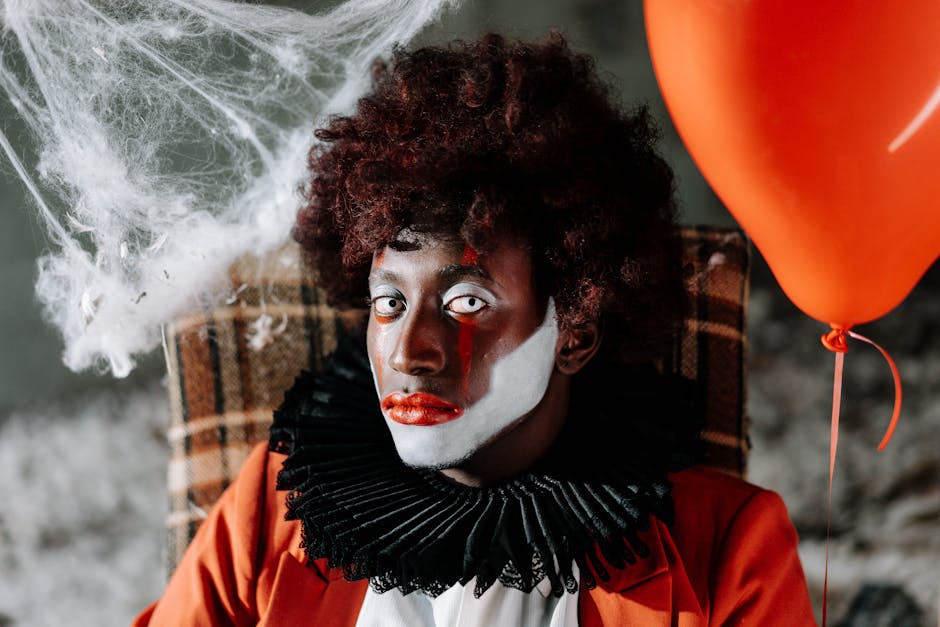
Did You Know? 15 Unusual Festivals Around the World

Did You Know? 15 Unusual Festivals Around the World

⏱️ 7 min read

Every corner of the globe celebrates unique traditions that reflect local culture, history, and sometimes pure eccentricity. While many people are familiar with popular celebrations like Carnival or Oktoberfest, countless lesser-known festivals offer fascinating glimpses into human creativity and cultural diversity. From food fights to frozen hair competitions, these extraordinary celebrations challenge conventional notions of festivity and reveal the remarkable variety of human expression across different societies.

Quirky Celebrations That Define Cultural Identity

1. La Tomatina: Spain's Epic Tomato Battle

Held annually in the small town of Buñol, Spain, La Tomatina transforms streets into rivers of red pulp as approximately 20,000 participants hurl over 100 tons of overripe tomatoes at each other. This hour-long food fight, which takes place on the last Wednesday of August, began in 1945 after a spontaneous tomato-throwing incident during a parade. Today, it stands as one of the world's messiest and most photographed festivals, requiring fire trucks to hose down the town afterward.

2. Kanamara Matsuri: Japan's Festival of the Steel Phallus

Every spring in Kawasaki, Japan, the Kanamara Matsuri celebrates fertility and protection against sexually transmitted diseases with remarkably explicit displays. The festival centers around a legendary iron phallus and features processions of phallic-shaped mikoshi (portable shrines), themed candy, and decorations. Originally rooted in prayers for fertility and safe childbirth, the modern festival has embraced LGBTQ+ communities and raises money for HIV research.

3. Boryeong Mud Festival: South Korea's Therapeutic Mess

South Korea's Boryeong Mud Festival attracts millions of visitors who cover themselves in mineral-rich mud from the Boryeong flats. What began in 1998 as a marketing campaign for mud-based cosmetics has evolved into a two-week celebration featuring mud wrestling, mud slides, and mud swimming pools. The festival promotes the therapeutic benefits of the region's mud while providing an excuse for uninhibited fun.

4. Cooper's Hill Cheese-Rolling: England's Dangerous Dairy Chase

Each May, daredevils gather at Cooper's Hill in Gloucestershire, England, to chase a nine-pound wheel of Double Gloucester cheese down a steep, uneven slope. Participants reach speeds of up to 70 miles per hour while tumbling down the near-vertical gradient. Despite numerous injuries over the years, this centuries-old tradition continues to attract competitors from around the world, all vying to catch the cheese and claim victory.

5. Night of the Radishes: Mexico's Vegetable Sculpture Showcase

On December 23rd, Oaxaca, Mexico, hosts the Night of the Radishes, where artists carve elaborate scenes from oversized radishes. This tradition dates back to 1897 when vendors began carving radishes to attract customers at the Christmas market. Today's competition features intricate nativity scenes, historical events, and fantastical creatures, all crafted from radishes that can grow up to 20 inches long due to special cultivation methods.

6. Monkey Buffet Festival: Thailand's Primate Feast

The ancient city of Lopburi, Thailand, honors its resident monkey population with an annual buffet featuring over 4,000 pounds of fruits, vegetables, and treats arranged in elaborate towers and displays. Held in November, this festival acknowledges the monkeys' importance to local tourism and Hindu mythology, particularly their connection to the deity Hanuman. Hundreds of macaques descend upon the feast while spectators and photographers document the chaos.

7. Baby Jumping Festival: Spain's Leap Over Infants

In the Spanish village of Castrillo de Murcia, men dressed as devils jump over babies born during the previous year as part of El Colacho festival. Dating back to 1620, this Catholic celebration occurring during Corpus Christi is believed to cleanse infants of original sin and protect them from evil spirits. Despite its controversial nature and Vatican discouragement, local families continue to place their babies on mattresses in the street for the ritual.

8. International Hair Freezing Contest: Canada's Frozen Follicle Competition

At the Takhini Hot Springs in Yukon, Canada, participants soak in naturally heated mineral pools while temperatures plummet below freezing, creating conditions perfect for sculpting their wet hair into frozen masterpieces. This February competition awards prizes for the most creative frozen hairstyles, with participants molding their locks into spikes, waves, and gravity-defying sculptures before the warmth melts their creations.

9. Battaglia delle Arance: Italy's Historical Orange War

The northern Italian city of Ivrea commemorates a medieval rebellion with a three-day orange battle involving thousands of participants divided into teams representing different historical factions. Over 500,000 pounds of oranges become ammunition as nine cart-based teams face off against foot soldiers in the streets. This February festival combines historical reenactment with spectacular civic pride and requires extensive cleanup operations.

10. Lopburi Monkey Buffet Festival: Honoring Primate Residents

Wife Carrying World Championships in Sonkajärvi, Finland, challenges male competitors to navigate a 253-meter obstacle course while carrying a female teammate. The prize? The wife's weight in beer. Originating from 19th-century legends of Finnish brigands who carried away women from neighboring villages, the modern competition has evolved into a test of strength and teamwork, with various carrying techniques permitted including the Estonian-style upside-down piggyback.

11. Naki Sumo: Japan's Crying Baby Competition

Japanese parents bring their babies to Naki Sumo events where sumo wrestlers hold the infants and attempt to make them cry first. This 400-year-old tradition is based on the belief that a baby's cry drives away demons and brings good health. If both babies cry simultaneously, the one with the loudest cry wins. The unusual spectacle takes place at various shrines throughout Japan during spring and summer months.

12. World Bog Snorkeling Championships: Wales' Peat Bog Swim

In Llanwrtyd Wells, Wales, competitors don snorkels and flippers to swim two consecutive lengths of a 60-yard water-filled trench cut through a peat bog. Participants cannot use conventional swimming strokes and must rely solely on flipper power to propel themselves through the murky, cold water. This August event has spawned additional bog sports, including bog mountain biking and bog triathlon competitions.

13. Thaipusam: Malaysia's Piercing Pilgrimage

Hindu devotees demonstrate faith through extreme body piercing during Thaipusam, carrying elaborate kavadi (burdens) attached to their bodies with hooks and skewers. Celebrated by Tamil communities, particularly at Batu Caves in Malaysia, participants enter trance-like states and claim to feel no pain as they perform acts of devotion. The festival honors Lord Murugan and represents the triumph of good over evil.

14. Up Helly Aa: Scotland's Viking Fire Festival

Shetland Islands residents celebrate their Norse heritage every January with Up Helly Aa, culminating in the burning of a full-scale replica Viking longship. Nearly 1,000 participants dress in elaborate Viking costumes and carry torches in a torchlight procession before setting the galley ablaze. The festival includes months of preparation, secret squad identities, and performances at venues throughout the night.

15. Songkran: Thailand's Nationwide Water Fight

Thailand's traditional New Year celebration has evolved from respectful water sprinkling to a three-day nationwide water battle. Armed with water guns, buckets, and hoses, millions of Thais and tourists drench each other in the streets during mid-April's hottest weather. While rooted in Buddhist purification rituals, modern Songkran combines religious observance with one of the world's largest and most joyous water fights.

The Universal Language of Celebration

These fifteen extraordinary festivals demonstrate humanity's boundless creativity in marking special occasions and honoring traditions. Whether rooted in ancient religious practices, historical events, or modern marketing innovations, each celebration offers insights into local values, humor, and community bonds. From frozen hair sculptures in the Yukon to baby-jumping rituals in Spain, these unusual festivals remind us that cultural expression knows no boundaries. They attract curious travelers seeking authentic experiences while preserving unique traditions for future generations. Understanding and appreciating these diverse celebrations enriches our perspective on global culture and highlights the fascinating ways communities choose to commemorate, compete, and simply have fun together.