










1 / 10 Questions
0 Points
Points won
0
Correct score
0%

More Quizzes

More Articles

Why Wasabi Is Often Fake in Restaurants

Why Wasabi Is Often Fake in Restaurants

⏱️ 5 min read

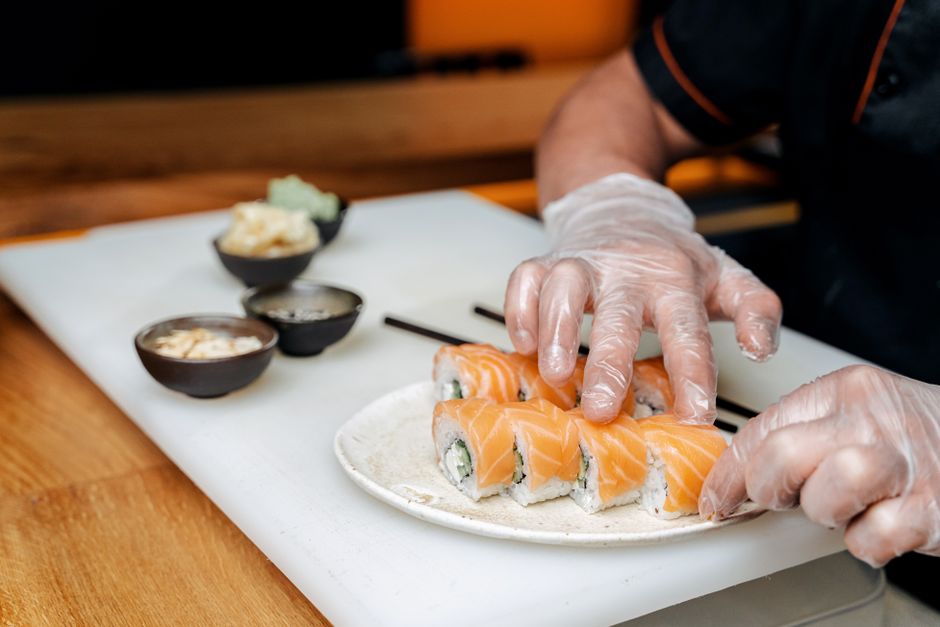
When dining at a sushi restaurant, that small green mound on the side of the plate might not be what it seems. Despite its ubiquitous presence in Japanese cuisine establishments worldwide, the wasabi served in most restaurants is actually an imitation product. This widespread substitution has become so common that many diners have never actually tasted real wasabi, unknowingly accepting a horseradish-based alternative as the authentic condiment.

The Real Wasabi Plant: A Rare and Difficult Crop

Authentic wasabi comes from the Wasabia japonica plant, a member of the Brassicaceae family that also includes mustard, horseradish, and cabbage. This perennial plant is notoriously difficult to cultivate, requiring very specific growing conditions that are challenging to replicate outside its native habitat. Real wasabi grows naturally along stream beds in mountain river valleys in Japan, where it thrives in cool, flowing water with temperatures between 46 and 68 degrees Fahrenheit.

The plant takes approximately 18 to 24 months to reach maturity, making it one of the slowest-growing commercially cultivated crops. During this extended growing period, wasabi plants require constant attention, precise water quality, consistent temperature control, and protection from direct sunlight. These demanding requirements make wasabi one of the most expensive vegetables to produce, with wholesale prices often exceeding $100 per pound for high-quality rhizomes.

The Economics Behind the Substitution

The astronomical cost of genuine wasabi creates a significant economic barrier for most restaurants. When considering that a single wasabi plant yields only a small rhizome after two years of careful cultivation, the price point becomes prohibitive for all but the most exclusive dining establishments. By contrast, the imitation wasabi mixture typically costs less than $10 per pound, representing a savings of more than 90 percent.

For restaurants operating on tight margins, particularly those serving moderate to high volumes of customers, using authentic wasabi would either dramatically reduce profitability or require substantial menu price increases. Given that most diners cannot distinguish between real and fake wasabi, especially when consuming it with strongly flavored foods like soy sauce-dipped sushi, the economic incentive to use the substitute remains overwhelmingly strong.

What Fake Wasabi Actually Contains

The green paste commonly served as wasabi in restaurants is typically a mixture of several ingredients designed to approximate the flavor and appearance of real wasabi. The primary components usually include:

  • Horseradish root, which provides the sharp, sinus-clearing heat
  • Mustard powder or mustard seed, adding pungency and depth
  • Green food coloring, creating the characteristic bright green appearance
  • Cornstarch or other thickening agents for proper consistency
  • Various additives and preservatives for extended shelf life

Some higher-quality imitation products may contain a small percentage of actual wasabi powder, typically less than 5 percent, allowing manufacturers to legally claim "real wasabi" on the label while still maintaining affordable pricing. However, this minimal amount provides little of the authentic wasabi experience that genuine wasabi offers.

The Distinctive Characteristics of Authentic Wasabi

Real wasabi delivers a fundamentally different culinary experience compared to its horseradish-based imitation. The flavor of authentic wasabi is more complex, subtle, and refined, with a heat that dissipates quickly rather than lingering. The pungency stimulates the nasal passages but fades within seconds, allowing the delicate flavors of sushi and sashimi to emerge without overwhelming them.

Genuine wasabi also contains naturally occurring compounds called isothiocyanates, which not only produce its characteristic bite but also offer potential antimicrobial properties. Traditional Japanese cuisine valued wasabi partly for its ability to help preserve raw fish and reduce foodborne illness risks. The authentic rhizome has a slightly sweet, herbal undertone that the horseradish substitute cannot replicate.

The texture also differs significantly. Fresh wasabi is prepared by grating the rhizome on a specialized grater, traditionally made from sharkskin, which creates a smooth, slightly sticky paste. This freshly grated wasabi maintains its optimal flavor for only about 15 to 20 minutes before oxidation begins diminishing its aromatic compounds.

Growing Efforts to Cultivate Real Wasabi

Despite the challenges, some farmers outside Japan have successfully established wasabi cultivation operations in recent years. Regions in North America, including British Columbia, Oregon, and North Carolina, now produce limited quantities of authentic wasabi. These operations typically utilize greenhouse systems with carefully controlled water flow and temperature regulation to mimic the plant's natural habitat.

Small-scale wasabi farms have also emerged in parts of Europe, New Zealand, and Tasmania, where climate conditions prove suitable for cultivation. However, global production remains extremely limited, with estimates suggesting that even Japan produces only enough wasabi to meet a fraction of worldwide demand for authentic product.

How to Identify Real Wasabi at Restaurants

Diners interested in experiencing authentic wasabi should look for specific indicators. High-end sushi restaurants sometimes advertise their use of fresh wasabi as a premium feature. The preparation method provides another clue—real wasabi is grated to order using a special grater, and servers may grate it tableside or present the distinctive knobby rhizome.

The appearance also differs: authentic fresh-grated wasabi has a rougher, more fibrous texture and a lighter, more natural green color compared to the bright artificial green of imitation products. Restaurants serving genuine wasabi typically charge premium prices and specifically mention it on their menus as a distinguishing feature of their offerings.

Why Nostalgia Sells

Why Nostalgia Sells

⏱️ 5 min read

The entertainment industry has discovered a powerful formula for capturing audiences: tapping into the warm glow of yesterday. From reboots of beloved television shows to sequels of classic films released decades ago, nostalgia has become one of the most reliable tools for generating revenue and audience engagement. This phenomenon extends beyond simple marketing tactics—it reflects fundamental aspects of human psychology and cultural dynamics that make looking backward just as profitable as innovating forward.

The Psychological Foundation of Nostalgic Appeal

Nostalgia triggers a unique emotional response in the human brain that combines pleasure, longing, and comfort. When audiences encounter familiar characters, storylines, or aesthetic styles from their past, their brains release dopamine—the same neurotransmitter associated with reward and pleasure. This neurological reaction creates an immediate positive association with the content, making consumers more likely to engage with it financially and emotionally.

Research in psychology has demonstrated that nostalgic experiences serve important psychological functions. They provide a sense of continuity in an ever-changing world, offer temporary escape from present-day stressors, and reinforce personal identity by connecting individuals to their formative experiences. Entertainment companies leverage these deep-seated needs by creating content that serves as a bridge between past and present, offering audiences a controlled return to simpler or happier times.

Risk Reduction in an Uncertain Market

From a business perspective, nostalgia represents a significantly lower risk investment compared to original properties. Established intellectual properties come with built-in recognition, existing fan bases, and proven track records of success. When a studio announces a sequel to a popular film from the 1980s or 1990s, they already know there's an audience waiting—one that has demonstrated willingness to spend money on related merchandise, tickets, and streaming subscriptions over the years.

This pre-existing awareness reduces marketing costs and uncertainty. Rather than building brand recognition from scratch, entertainment companies can activate dormant fan communities and capitalize on decades of cultural penetration. The financial calculations become more predictable, which appeals to investors and studio executives operating in an increasingly competitive and fragmented media landscape.

Multi-Generational Marketing Opportunities

Nostalgic entertainment properties offer a unique advantage: they can simultaneously target multiple demographic groups. Parents who grew up with certain franchises become eager to share these experiences with their children, creating a built-in family viewing or gaming audience. This multi-generational appeal expands the potential market far beyond what a purely contemporary property might achieve.

The entertainment industry has become adept at balancing elements that appeal to original fans while incorporating modern sensibilities that resonate with younger audiences. This approach maximizes revenue potential by:

  • Attracting older consumers with purchasing power and established brand loyalty
  • Introducing classic properties to new generations who become potential lifelong fans
  • Creating shared cultural experiences that bridge age gaps
  • Generating multiple revenue streams through diverse audience segments

The Safety of Familiar Stories in Turbulent Times

During periods of social, political, or economic uncertainty, audiences consistently gravitate toward familiar entertainment. Nostalgia offers psychological comfort by providing predictable narrative structures, recognizable characters, and reassuring resolutions. The entertainment industry has observed this pattern repeatedly during recessions, global crises, and periods of rapid cultural change.

This tendency creates a self-reinforcing cycle where uncertain times increase demand for nostalgic content, which prompts studios to produce more such content, which further normalizes the dominance of nostalgia in the entertainment marketplace. The phenomenon extends across all entertainment sectors, from film and television to video games and music.

Social Media and the Amplification Effect

Digital platforms have dramatically accelerated the nostalgia cycle in entertainment. Social media enables instantaneous sharing of memories, rapid mobilization of fan communities, and viral spread of nostalgia-related content. When a studio announces a reboot or revival, the news can reach millions of potential consumers within hours, generating organic buzz that would have cost millions in traditional advertising.

Furthermore, streaming platforms have made nostalgic content perpetually accessible, allowing older properties to find new audiences continuously. This accessibility means that intellectual property never truly becomes obsolete—it simply waits for the right moment and the right repackaging to generate renewed interest and revenue.

The Economics of Established Intellectual Property

Nostalgic properties offer substantial financial advantages beyond reduced marketing risk. These established franchises come with extensive merchandising opportunities, theme park attractions, licensing deals, and cross-promotional possibilities that have been refined over years or decades. The infrastructure for monetization already exists, requiring only activation rather than creation from scratch.

Additionally, nostalgic properties benefit from what economists call "brand equity"—the accumulated value of recognition, positive associations, and cultural significance built up over time. This equity translates directly into premium pricing power, whether for movie tickets, merchandise, or subscription services featuring nostalgic content.

Creative Constraints and Artistic Considerations

While nostalgia's commercial success is undeniable, it raises important questions about creativity and innovation in entertainment. The heavy emphasis on revivals, reboots, and sequels can limit opportunities for original voices and fresh perspectives. However, the most successful nostalgic properties manage to balance reverence for source material with genuine creative innovation, demonstrating that nostalgia and originality need not be mutually exclusive.

The entertainment industry continues to refine its approach to nostalgic content, learning when to faithfully recreate beloved properties and when to reimagine them for contemporary audiences. This ongoing calibration ensures that nostalgia remains a viable and profitable strategy while still allowing room for the original content that will become tomorrow's nostalgia.

Understanding why nostalgia sells reveals much about contemporary culture, psychology, and commerce. It represents far more than cynical exploitation of fond memories—it reflects genuine human needs for continuity, comfort, and connection in an increasingly complex world. As long as these needs persist, nostalgia will remain a powerful force in entertainment economics.