









1 / 10 Questions
0 Points

Which national park is famous for the legend of 'Old Faithful's ghost,' a spectral figure said to appear near the famous geyser?

Yosemite National Park

Yellowstone National Park

Zion National Park

Grand Canyon National Park

Points won
0
Correct score
0%

More Quizzes

More Articles

The Most Unusual Songwriting Methods

The Most Unusual Songwriting Methods

⏱️ 5 min read

Throughout music history, artists have discovered that breaking away from conventional songwriting approaches can lead to groundbreaking creative breakthroughs. While many songwriters rely on traditional methods like sitting with a guitar or piano, some of the most memorable songs in popular music emerged from techniques that seem bizarre, random, or counterintuitive. These unconventional approaches have not only produced hit records but have also expanded the boundaries of what's possible in musical composition.

Cut-Up Technique and Randomization

The cut-up technique, pioneered by writer William S. Burroughs and adopted by musicians like David Bowie, involves literally cutting up written text and rearranging the pieces to create new meanings and associations. Bowie famously used this method during his Berlin period in the 1970s, cutting up newspapers, his own lyrics, and various texts to generate unexpected word combinations. This approach helped him break free from writer's block and discover lyrical connections his conscious mind might never have made.

Radiohead's Thom Yorke has employed a similar technique, cutting up phrases and pulling them from a hat to determine lyrical arrangements. This randomization process removes the songwriter's tendency to fall into predictable patterns and forces new creative pathways. The method can produce surreal, poetic imagery that resonates with listeners on an emotional rather than literal level.

Oblique Strategies Card System

Brian Eno and Peter Schmidt created the "Oblique Strategies" deck in 1975, consisting of cards with cryptic instructions designed to help artists overcome creative blocks. Each card contains a constraint, suggestion, or abstract concept such as "Use an old idea" or "What would your closest friend do?" These prompts force songwriters to approach their work from unexpected angles.

Numerous artists have adopted this system, including Coldplay, David Bowie, and MGMT. The method works by interrupting habitual thought patterns and introducing arbitrary limitations that paradoxically increase creative freedom. When stuck on a particular section of a song, drawing a card provides a concrete yet abstract direction that can unlock new possibilities.

Environmental and Location-Based Composition

Some songwriters derive inspiration from their physical surroundings in highly specific ways. Björk has recorded vocals in unusual acoustic spaces, including bathrooms and caves, allowing the environment to shape the sonic character of her songs. The Icelandic artist has also composed music specifically designed to complement natural landscapes.

Nick Cave wrote much of his album "Ghosteen" while swimming, allowing the meditative state induced by repetitive physical activity to unlock melodic and lyrical ideas. The disconnection from instruments and recording equipment created a mental space where musical concepts could form more organically before being captured later.

Limitations and Arbitrary Rules

Imposing strict limitations on the songwriting process can paradoxically enhance creativity. Jack White is famous for his constraint-based approach, deliberately making things difficult for himself to force innovative solutions. He has recorded albums with specific rules such as:

  • Writing and recording songs within a single day
  • Using only certain instruments or equipment
  • Prohibiting the use of particular chord progressions or song structures
  • Working only with analog equipment in an era of digital dominance

These self-imposed limitations prevent reliance on familiar techniques and push musicians toward uncharted creative territory. When easy solutions are removed, artists must dig deeper into their creative resources.

Dream Documentation and Sleep-Based Writing

Paul McCartney famously composed "Yesterday" in a dream, waking up with the complete melody in his head. While this spontaneous dream-writing isn't a reliable method, some songwriters have developed practices to capture subconscious musical ideas. Keeping recording devices by the bedside allows artists to capture melodies and lyrics that emerge in hypnagogic states between sleeping and waking.

Billy Joel has described a similar process, where songs arrive fully formed during sleep or in the twilight moments of consciousness. The key to this method lies in the immediate documentation—dream-based ideas tend to evaporate quickly upon waking if not captured immediately.

Algorithmic and Systems-Based Composition

Brian Eno pioneered generative music systems where algorithms and programmed rules create ever-evolving musical pieces. While different from traditional songwriting, this approach has influenced how artists think about composition. Rather than controlling every element, songwriters create systems and parameters that produce musical outcomes.

Modern artists using digital audio workstations have adopted similar approaches, using randomization features, probability-based MIDI plugins, and generative algorithms to create musical phrases that human composers might not naturally conceive. This method bridges the gap between human creativity and computational possibility.

Reverse Engineering and Deconstruction

Tom Waits has described his method of deliberately damaging or detuning instruments to discover new sounds that inspire songs. By breaking the "correct" way of playing instruments, he accesses timbres and textures that lead to unique musical ideas. This deconstruction approach extends to taking existing songs and reversing elements—playing them backward, inverting melodies, or transforming major keys to minor.

The Beatles' experimentation with backward recording techniques on tracks like "Tomorrow Never Knows" opened up new sonic possibilities that influenced the song's final composition. This reverse engineering approach treats existing musical material as raw data to be manipulated and transformed into something entirely new.

Collaborative Improvisation Without Communication

Some bands have experimented with writing songs through improvisation where members deliberately don't discuss their intentions beforehand. This approach relies on intuitive musical conversation and can produce unexpected arrangements that wouldn't emerge from traditional collaborative discussion. The element of surprise and the need to respond in real-time to what other musicians play creates spontaneous compositions with organic development.

These unusual songwriting methods demonstrate that creativity flourishes when artists abandon safe, predictable approaches. By embracing randomness, imposing limitations, or radically changing their process, songwriters access new creative dimensions that conventional methods might never reveal.
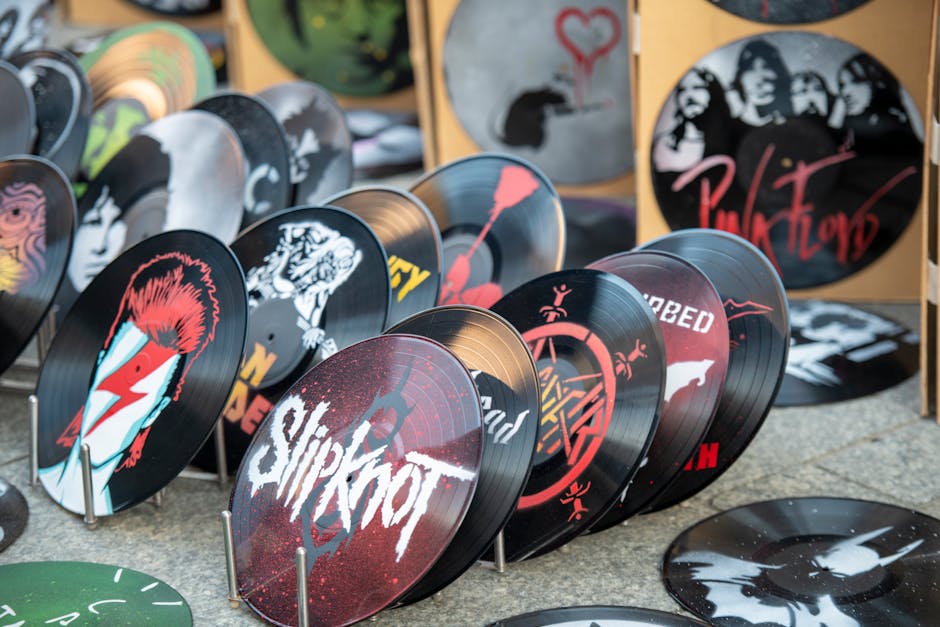
Did You Know? Vinyl Records Are Making a Huge Comeback

Did You Know? Vinyl Records Are Making a Huge Comeback

⏱️ 5 min read

In an era dominated by digital streaming and instant access to millions of songs, a remarkable phenomenon has emerged in the music industry. Vinyl records, once considered relics of a bygone era, have experienced an extraordinary resurgence that has surprised industry analysts and delighted music enthusiasts worldwide. Sales figures from recent years reveal a trend that defies conventional wisdom about music consumption in the digital age, with vinyl record sales reaching heights not seen since the 1980s.

The Numbers Behind the Revival

The statistics surrounding vinyl's comeback are nothing short of remarkable. In 2022, vinyl record sales in the United States surpassed CD sales for the first time since 1987, marking a historic milestone in the format's resurrection. Revenue from vinyl records reached approximately $1.2 billion, representing a continuous growth pattern that has persisted for over 15 consecutive years. This resurgence isn't limited to the United States; countries across Europe, Asia, and Australia have reported similar trends, with vinyl pressing plants struggling to keep up with demand.

What makes this comeback particularly noteworthy is its consistency. Unlike fleeting trends that spike and fade, vinyl sales have shown steady, sustainable growth year after year. The format now accounts for a significant portion of physical music sales, demonstrating that this revival represents more than mere nostalgia—it reflects a genuine shift in how certain segments of the population choose to consume music.

Why Collectors and Audiophiles Are Returning to Vinyl

Several compelling factors explain why vinyl records have recaptured the imagination of music lovers. At the forefront is sound quality. Audiophiles and casual listeners alike report that vinyl offers a warmer, richer sound compared to digital formats. The analog nature of vinyl captures the continuous waveform of music, potentially preserving subtle nuances that can be lost in digital compression algorithms used by streaming services and MP3 files.

The tactile and visual experience also plays a crucial role in vinyl's appeal. Unlike clicking a button on a smartphone, playing a vinyl record is a deliberate, engaging activity. The ritual of removing the record from its sleeve, placing it on the turntable, and carefully positioning the needle creates a meaningful connection between listener and music. The large-format album artwork transforms each record into a piece of collectible art, offering a canvas for visual creativity that simply cannot be replicated on a smartphone screen.

The Generational Bridge

Interestingly, vinyl's resurgence isn't driven solely by older generations seeking to relive their youth. Younger music fans, particularly millennials and Generation Z, have embraced vinyl with enthusiasm. For these digital natives, vinyl represents something tangible in an increasingly virtual world. It offers a form of music ownership that feels permanent and real, contrasting sharply with subscription-based streaming services where access can disappear if a licensing agreement expires.

This cross-generational appeal has created unique dynamics in record stores and online marketplaces, where teenagers browse alongside middle-aged collectors, united by their appreciation for the format. Many young people discover their parents' or grandparents' record collections and develop an appreciation for both the music and the medium, creating bridges across generational divides.

The Industry's Response to Growing Demand

The music industry has taken notice of vinyl's resurgence and adapted accordingly. Major labels and independent artists alike now routinely release albums on vinyl, often alongside or even before digital versions. Special editions, colored vinyl, and limited pressings have become standard marketing tools, creating collectible items that generate excitement and drive sales.

Record pressing plants have experienced unprecedented demand, with many operating at full capacity. Some facilities that had shut down operations decades ago have reopened, while new pressing plants have been established to meet the market's needs. However, this increased demand has also created challenges, including longer production times and occasional shortages of raw materials needed for record manufacturing.

Beyond Music: Vinyl as Investment and Collectible

Vinyl records have increasingly been viewed as investment items and valuable collectibles. Rare pressings, first editions, and albums from iconic artists can command substantial prices in the secondary market. Some records originally purchased for a few dollars decades ago now sell for hundreds or even thousands of dollars, depending on their rarity and condition.

This investment aspect has created a sophisticated collector culture, complete with grading systems, authentication services, and specialized marketplaces. Record fairs and conventions attract thousands of attendees, while online platforms facilitate global trading of vinyl records, connecting collectors across continents.

The Role of Independent Record Stores

The vinyl revival has breathed new life into independent record stores, many of which struggled during the digital transition. These stores have evolved into community hubs where music enthusiasts gather not just to purchase records but to discover new artists, attend in-store performances, and connect with like-minded individuals. Annual events like Record Store Day have become cultural phenomena, drawing crowds eager to purchase exclusive releases and celebrate physical music formats.

Looking Toward the Future

The vinyl resurgence shows no signs of slowing down. Industry projections suggest continued growth, with manufacturers investing in new technology to improve production efficiency while maintaining the quality that makes vinyl special. As streaming continues to dominate overall music consumption, vinyl has carved out a complementary niche that serves different needs—offering permanence, quality, and experience in a world of ephemeral digital content.

This remarkable comeback demonstrates that despite technological advancement, there remains a deep human desire for tangible, high-quality music experiences. Vinyl records have proven that some formats transcend their utilitarian function to become cherished objects that enhance our relationship with music in ways that pure convenience cannot match.