






1 / 10 Questions
0 Points

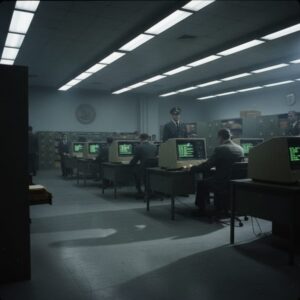
Which office device did security experts ban from classified areas?

Electric typewriters

Microwave ovens

Television sets

Radio antennas

Points won
0
Correct score
0%

More Quizzes

More Articles

How CRISPR Is Changing the Future of Medicine

How CRISPR Is Changing the Future of Medicine

⏱️ 5 min read

Gene editing technology has entered a revolutionary new era with the development of CRISPR-Cas9, a precise molecular tool that allows scientists to modify DNA sequences with unprecedented accuracy. This groundbreaking technology is transforming medical research and treatment approaches, offering hope for conditions once considered incurable and opening possibilities that seemed like science fiction just a decade ago.

Understanding the CRISPR-Cas9 System

CRISPR, which stands for Clustered Regularly Interspaced Short Palindromic Repeats, is a naturally occurring defense mechanism found in bacteria. Scientists have adapted this system into a powerful gene-editing tool that functions like molecular scissors, capable of cutting DNA at specific locations within the genome. The Cas9 protein acts as the cutting enzyme, while a guide RNA directs it to the precise genetic sequence requiring modification.

What distinguishes CRISPR from previous gene-editing technologies is its remarkable precision, efficiency, and relative simplicity. Earlier methods were expensive, time-consuming, and often imprecise. CRISPR has democratized gene editing, making it accessible to laboratories worldwide and accelerating research at an exponential rate.

Treating Genetic Disorders at Their Source

The most profound impact of CRISPR technology lies in its potential to treat genetic diseases by correcting the underlying mutations responsible for these conditions. Sickle cell disease and beta-thalassemia have become the first targets for approved CRISPR therapies, marking a historic milestone in medicine.

In 2023, regulators in the United Kingdom and United States approved the first CRISPR-based treatment for sickle cell disease, a painful genetic blood disorder affecting millions worldwide. The therapy works by editing patients' own blood stem cells to produce functional hemoglobin, effectively addressing the root cause rather than merely managing symptoms. Clinical trials have shown remarkable results, with patients experiencing complete resolution of debilitating pain crises that previously dominated their lives.

Expanding Treatment Horizons

Beyond blood disorders, researchers are developing CRISPR therapies for numerous genetic conditions:

  • Duchenne muscular dystrophy, a devastating muscle-wasting disease
  • Cystic fibrosis, which affects lung and digestive function
  • Huntington's disease, a neurodegenerative disorder
  • Certain forms of inherited blindness
  • Familial hypercholesterolemia, leading to extremely high cholesterol levels

Each application represents years of painstaking research, but the accelerated pace of development suggests that multiple CRISPR therapies will reach patients within the coming decade.

Cancer Treatment Revolution

CRISPR is transforming cancer therapy by enhancing the effectiveness of immunotherapy approaches. Scientists are using gene editing to modify immune cells, particularly T-cells, making them more effective at recognizing and destroying cancer cells. This approach, known as CAR-T cell therapy, has already shown success in treating certain blood cancers.

Researchers are now developing more sophisticated applications, including editing multiple genes simultaneously to create super-charged immune cells capable of overcoming the defense mechanisms that tumors use to evade detection. Clinical trials are underway for various cancer types, including lung cancer, melanoma, and multiple myeloma.

Additionally, CRISPR enables scientists to identify new drug targets by systematically disabling genes in cancer cells to discover which ones are essential for tumor growth and survival. This functional genomics approach is accelerating the discovery of novel cancer treatments.

Infectious Disease Applications

The COVID-19 pandemic highlighted the need for rapid diagnostic and therapeutic tools, and CRISPR technology has proven valuable in both areas. Researchers developed CRISPR-based diagnostic tests that can detect viral genetic material with high sensitivity and specificity, offering alternatives to traditional PCR testing.

Beyond diagnostics, scientists are exploring CRISPR as a therapeutic tool against viral infections. One promising approach involves editing human cells to remove receptors that viruses use to gain entry, potentially creating resistance to HIV, hepatitis B, and herpes simplex virus. Early-stage research has demonstrated that CRISPR can excise integrated HIV DNA from infected cells, raising the possibility of a functional cure for this chronic infection.

Challenges and Ethical Considerations

Despite its tremendous potential, CRISPR technology faces significant challenges that must be addressed before it becomes widely available. Off-target effects, where the editing machinery cuts DNA at unintended locations, remain a concern. While newer CRISPR variants have improved precision, ensuring complete accuracy is crucial for patient safety.

Delivery mechanisms present another obstacle. Getting CRISPR components into the right cells within the human body is technically complex. Current approaches often require removing cells from patients, editing them in the laboratory, and reinfusing them—a costly and logistically challenging process. Developing methods for direct in-vivo editing would dramatically expand CRISPR's therapeutic reach.

Ethical Boundaries

The ability to edit human genes raises profound ethical questions, particularly regarding germline editing—changes that would be passed to future generations. The international scientific community has called for a moratorium on heritable human genome editing until appropriate ethical frameworks and safety standards are established.

Questions surrounding access and equity also loom large. Current CRISPR therapies cost hundreds of thousands of dollars, placing them beyond reach for most patients. Ensuring that these life-changing treatments become accessible to diverse populations worldwide remains an urgent priority.

The Road Ahead

CRISPR technology continues to evolve rapidly, with new variants offering enhanced precision, reduced off-target effects, and expanded capabilities. Base editing and prime editing represent next-generation approaches that enable even more refined genetic modifications without creating double-strand DNA breaks.

As research advances and manufacturing processes improve, the cost of CRISPR therapies is expected to decrease, potentially making them more accessible. Regulatory agencies are developing frameworks specifically for gene-editing therapies, which should streamline approval processes for future treatments.

The convergence of CRISPR with other cutting-edge technologies, including artificial intelligence for predicting optimal editing strategies and advanced delivery systems like lipid nanoparticles, promises to unlock even greater therapeutic potential. Medicine stands at the threshold of a new era where genetic diseases may become curable, cancers more treatable, and human healthspan significantly extended through precise molecular interventions.
Did You Know the Theme Song for “Friends” Was Almost a Different Song?

Did You Know the Theme Song for “Friends” Was Almost a Different Song?

⏱️ 9 min read

When the iconic opening credits of "Friends" roll, it's nearly impossible not to hum along to "I'll Be There for You" by The Rembrandts. But this now-legendary TV theme song wasn't the show's creators' first choice. The journey to finding the perfect musical identity for one of television's most beloved sitcoms involved rejected tracks, last-minute decisions, and a song that almost never made it past 42 seconds.

Quick Facts

  • The Rembrandts originally recorded only a 42-second version of "I'll Be There for You" specifically for the show's opening credits in 1994.
  • R.E.M.'s "Shiny Happy People" was seriously considered as the theme song during the development phase.
  • The full version of "I'll Be There for You" reached number one on the Billboard Hot 100 Airplay chart in 1995 after audience demand.
  • Co-creators David Crane and Marta Kauffman wanted a song that captured the feeling of young people supporting each other in a challenging city.
  • The theme song was co-written by Michael Skloff, who happened to be married to actress Marta Kauffman, and recorded with the band The Rembrandts.

The Original Contender: R.E.M. and Other Possibilities

During the development stages of "Friends" in 1994, the production team explored several existing songs to set the tone for their new sitcom about six twenty-somethings navigating life in New York City. R.E.M.'s upbeat 1991 hit "Shiny Happy People" emerged as a strong candidate, with its cheerful melody and celebratory vibe seemingly perfect for a show about friendship. The song's lyrics about people coming together aligned with the show's core theme of chosen family.

However, licensing costs for established hit songs presented a significant obstacle. Network television budgets in the mid-1990s rarely allocated substantial funds for theme song licensing, especially for untested new shows. Co-creators David Crane and Marta Kauffman ultimately decided that commissioning an original song would give them more creative control and better capture the specific emotional landscape they envisioned. They wanted something that spoke directly to their characters' experiences: the struggle, the humor, and the unshakeable bond between friends facing adult life together.

Other songs in consideration included They Might Be Giants tracks, reflecting the quirky, alternative sensibility that NBC hoped would attract younger viewers. The network had found success with unconventional choices before, but Crane and Kauffman remained committed to finding something that felt both contemporary and timeless.

Creating an Original Theme: The Birth of "I'll Be There for You"

Michael Skloff, a composer who had worked on various television projects, received the assignment to write the "Friends" theme song. His connection to the project ran deeper than professional credentials—he was married to co-creator Marta Kauffman, giving him unique insight into the show's vision. Skloff collaborated with songwriters Allee Willis, Phil Sōlem, and Danny Wilde (the latter two being members of The Rembrandts) to craft lyrics that would resonate with the show's target demographic.

The resulting composition deliberately referenced the challenges facing people in their twenties and early thirties. Lines like "Your job's a joke, you're broke, your love life's DOA" weren't just catchy—they mirrored actual storylines from the pilot episode. Rachel had just left her fiancé at the altar and had no job prospects. Monica was dealing with romantic disappointment. Joey and Chandler struggled with their careers. The lyrics functioned as a compressed mission statement for the entire series.

The Rembrandts recorded the track in 1994, but initially only the 42-second version heard during the opening credits existed. The band, known for pop-rock hits in the late 1980s and early 1990s like "Just the Way It Is, Baby," brought a polished, radio-friendly sound to the composition. Their harmonies and upbeat instrumentation perfectly complemented the fountain-dancing visuals that would become synonymous with 1990s television.

From 42 Seconds to Billboard Chart Success

As "Friends" premiered on September 22, 1994, and quickly gained viewers, something unexpected happened. Radio stations across the United States began receiving calls requesting the theme song. DJs had no full-length version to play—only the brief snippet from the opening credits existed. Fans recorded the 42-second clip from their televisions and shared it on early internet forums, demonstrating unprecedented enthusiasm for a TV theme song.

Atlantic Records recognized the commercial opportunity and approached The Rembrandts about recording a complete version. The band initially resisted, concerned that being known primarily for a television theme might overshadow their artistic identity. Phil Sōlem later admitted in interviews that the group felt conflicted about expanding what they considered a "jingle" into a full single.

The full version, released in 1995, extended the song to three minutes and included additional verses and a bridge not heard in the show's opening. It reached number 17 on the Billboard Hot 100 and climbed to number one on the Hot 100 Airplay chart, spending eight weeks at the top. The song achieved gold certification in the United States and charted internationally, reaching number three in the United Kingdom and topping charts in Canada and Ireland. The Rembrandts' album "L.P." was reissued to include the full track, and the song became their most commercially successful recording by far.

The Cultural Impact and Lasting Recognition

The success of "I'll Be There for You" transformed expectations for television theme songs during an era when many sitcoms were moving toward shorter, instrumental openings or eliminating theme songs entirely. Shows like "Seinfeld" used brief bass-line riffs, while "Frasier" employed a 15-second tossed salad reference. "Friends" proved that audiences still connected with full-length, lyrical themes that established a show's emotional core.

The song's longevity exceeded typical TV theme recognition. Decades after the show's finale in 2004, "I'll Be There for You" remains immediately recognizable across generations. When "Friends" arrived on streaming platforms—first on Netflix in 2015, then on HBO Max (now Max) in 2020—new audiences discovered both the show and its theme song. TikTok videos featuring the song garnered millions of views, with users born after the show's original run creating content around the opening sequence.

The theme has generated substantial ongoing revenue through licensing, streaming, and synchronization rights. It appears in countless "best TV themes" compilations and has been covered by artists ranging from punk bands to classical orchestras. The opening's visual component—the cast dancing in a fountain at Warner Ranch in Burbank, California—became equally iconic, spawned countless recreations, and influenced how television shows approached title sequences in subsequent years.

What Made This Song Work When Others Might Not Have

The success of "I'll Be There for You" as the "Friends" theme song stemmed from several specific factors that differentiated it from other candidates. First, the lyrics directly addressed the show's central premise rather than offering generic sentiments about friendship. The opening line "So no one told you life was gonna be this way" (punctuated by four handclaps) immediately established empathy with viewers facing their own challenges.

Musically, the song hit a sweet spot between alternative rock credibility and mainstream pop accessibility. In 1994, grunge still dominated rock radio, but "Friends" aimed for broader appeal. The Rembrandts' jangly guitars andharmonized vocals evoked 1960s pop sensibilities while maintaining contemporary production values. The tempo—approximately 170 beats per minute—created energy without overwhelming the comedy pacing that followed.

The decision to keep the theme consistent throughout all 236 episodes across ten seasons also contributed to its cultural permanence. While some long-running shows altered their themes over time, "Friends" maintained the identical opening sequence (with minor cast credit adjustments) from 1994 to 2004. This consistency created a Pavlovian response in viewers, where those opening notes triggered anticipation and comfort—a valuable psychological association for a show built around the theme of reliable friendship.

Behind-the-Scenes Negotiations and Rights

The financial arrangements surrounding "I'll Be There for You" involved complex negotiations between Warner Bros. Television, NBC, Atlantic Records, and the various songwriters and performers. Michael Skloff's dual role as composer and spouse to a show creator raised questions about conflicts of interest that were ultimately resolved through standard industry contracts and separate negotiations for his composing work on the series.

When Atlantic Records pushed for the full version's release, additional negotiations determined how the expanded song would credit contributors and split royalties. The television version and radio version technically existed as separate recordings, though they shared the same underlying composition. Performance royalties from streaming services now flow through multiple channels, as both the 42-second version (heard in approximately 236 episodes) and the full three-minute track (streamed millions of times annually) generate separate payments.

The Rembrandts later acknowledged that their initial resistance to expanding the theme was financially shortsighted. The song's ongoing royalties substantially exceeded their earnings from original albums. Phil Sōlem stated in a 2019 interview that the theme song's success allowed band members financial security to pursue other musical projects without commercial pressure—an ironic outcome for a song they initially viewed as potentially limiting their artistic freedom.

Frequently Asked Questions

Who actually sings the Friends theme song?

The Rembrandts, a pop-rock duo consisting of Phil Sōlem and Danny Wilde, performed "I'll Be There for You." The song was co-written by Michael Skloff, Allee Willis, Phil Sōlem, and Danny Wilde specifically for the show's opening sequence.

Was R.E.M.'s "Shiny Happy People" really almost the Friends theme?

Yes, during the show's development phase, the creators seriously considered using "Shiny Happy People" as the theme song. However, licensing costs and the desire for creative control led them to commission an original song instead.

Did The Rembrandts want to record a full version of the Friends theme?

No, The Rembrandts initially resisted recording a full-length version, concerned it would typecast them as a "TV theme band." Atlantic Records convinced them after radio stations received overwhelming listener requests, and the full version became their biggest commercial hit.

How much money has the Friends theme song made?

While exact figures aren't publicly disclosed, the song has generated millions in royalties through television broadcasts, streaming services, radio play, and licensing since 1994. It achieved gold certification and remains one of the most-streamed TV theme songs globally.

Key Takeaways

  • The Friends theme song we know almost didn't exist—R.E.M.'s existing hit was nearly selected instead, but budget and creative control led to an original commission that proved far more valuable.
  • Only a 42-second version initially existed until fan demand drove radio stations and Atlantic Records to pressure The Rembrandts into recording the full track that became a chart-topping hit.
  • The song's specific lyrics directly referenced the show's premise and characters' struggles, creating a thematic coherence that generic friendship songs couldn't match.
  • The consistent use of the same theme across all 236 episodes over ten seasons built powerful cultural recognition that continues generating value through streaming and licensing decades later.