









⏱️ 7 min read
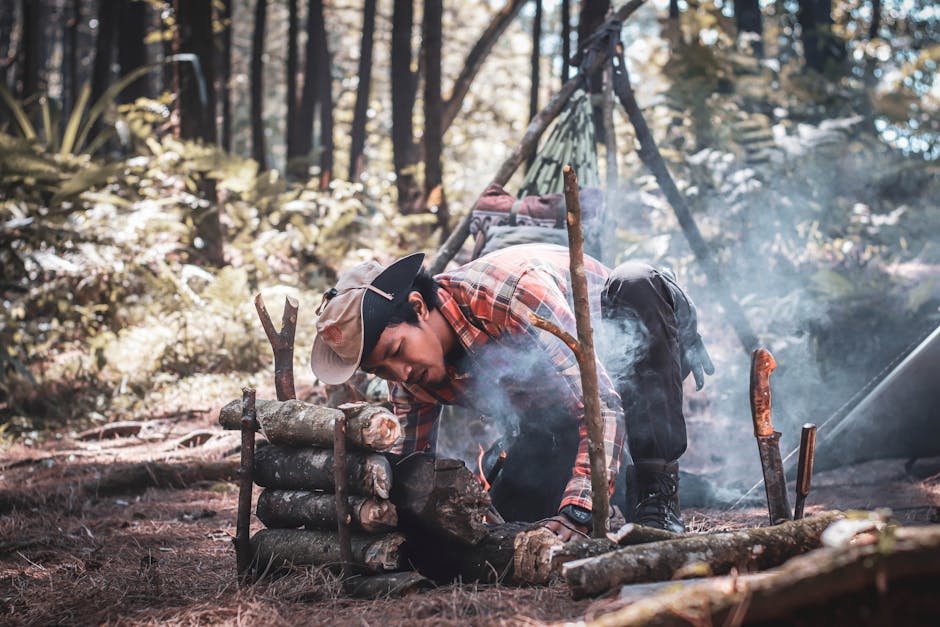
In survival situations, the ability to create fire can mean the difference between life and death. While flint and steel remain popular fire-starting tools, they aren't always available when needed most. Understanding alternative methods for creating fire is an essential skill for any outdoors enthusiast, survivalist, or anyone who ventures into remote areas. These techniques rely on friction, chemical reactions, optics, and electrical principles—skills that humans have utilized for thousands of years. Mastering multiple fire-starting methods ensures you're never left in the cold.
Essential Fire-Starting Techniques for the Prepared Survivalist
1. The Hand Drill Method Using Friction
The hand drill represents one of the most primitive yet effective fire-starting techniques. This method requires a wooden spindle and a fireboard, both made from dry, soft wood such as cedar, willow, or cottonwood. By rapidly rotating the spindle between your palms while applying downward pressure onto the fireboard, friction generates heat. The key is maintaining consistent speed and pressure until the friction creates a coal in the notch carved into the fireboard. This coal is then transferred to a tinder bundle and gently blown into flame. While physically demanding, the hand drill method requires no modern tools and can be executed with materials found in most natural environments.
2. The Bow Drill Fire Starting System
The bow drill improves upon the hand drill by using a bow mechanism to rotate the spindle, making the process less exhausting and more efficient. This system consists of four components: a spindle, fireboard, bow, and bearing block. The bow's string wraps around the spindle once, and the back-and-forth motion of the bow rapidly rotates the spindle. The bearing block, held in the opposite hand, applies downward pressure from above. This method generates friction more consistently than the hand drill and is often recommended for beginners learning primitive fire-making skills. Success depends on proper wood selection and maintaining steady, rhythmic bow strokes.
3. Fire Plow Friction Technique
The fire plow technique involves cutting a groove into a softwood baseboard and rapidly rubbing a hardwood stick up and down within this groove. The friction pushes fine wood particles ahead of the plowing stick while simultaneously heating them. Eventually, these particles ignite into an ember at the end of the groove. This method works best with very dry wood and requires significant arm strength and endurance. Bamboo makes an excellent material for the fire plow, as its fibrous nature creates friction quickly. The technique is particularly useful in tropical environments where bamboo is abundant.
4. Magnifying Glass Solar Ignition
Harnessing the sun's power through a magnifying glass or any convex lens offers a reliable fire-starting method during daylight hours. By focusing sunlight into a concentrated beam onto tinder, the intense heat can ignite dry materials like char cloth, dried leaves, or fine wood shavings. Even reading glasses, camera lenses, or the bottom of a clear glass bottle filled with water can serve this purpose. The key is positioning the lens at the correct focal distance—where the light converges into the smallest, brightest point. This method requires patience and very dry tinder, but it conserves physical energy and produces no smoke until ignition occurs.
5. Steel Wool and Battery Method
Combining fine-grade steel wool with a battery creates an effective fire-starting technique that works in various conditions. Touching both terminals of a 9-volt battery to steel wool (grade 0000 works best) completes an electrical circuit, causing the thin metal fibers to heat rapidly and ignite. Even AA or AAA batteries can work when their positive and negative ends are bridged by stretched steel wool. Once the steel wool begins glowing, it should be placed into prepared tinder and blown gently to establish flame. This method is particularly valuable because batteries and steel wool are common items that people might have in emergency kits, vehicles, or camping supplies.
6. Ice Lens Fire Creation
In freezing environments, clear ice can be shaped into a functional lens for starting fires. The process involves finding or creating a piece of clear ice, then carefully shaping it into a convex lens using body heat from your hands or gentle scraping. The ice must be clear, not cloudy, as air bubbles will scatter light and prevent proper focusing. Once properly shaped, the ice lens functions identically to a glass magnifying lens, concentrating sunlight onto tinder. This counterintuitive method demonstrates that fire-starting materials exist even in the coldest environments, though it requires strong sunlight and very dry tinder to succeed.
7. Chemical Reaction Fire Starting
Certain chemical combinations generate enough heat through exothermic reactions to ignite tinder. One reliable method involves mixing potassium permanganate (found in water purification kits and first aid supplies) with glycerin. When combined, these chemicals react violently, producing heat and flame within seconds. Another combination uses potassium permanganate with sugar, though this requires crushing and grinding to initiate the reaction. While effective, this method demands caution and knowledge of chemistry. The chemicals must be stored separately and combined only when fire is needed, as the reaction cannot be controlled once started.
8. Flint and Knife Alternative Striking Method
Though the title specifies without flint, many survival situations involve having a knife but not a flint striker. In these cases, rocks containing high quartz content can substitute for flint. Quartzite, chert, and jasper all produce sparks when struck at the proper angle with a steel knife blade. The technique requires striking the rock with the knife's spine at approximately a 30-degree angle, directing sparks onto char cloth or other fine tinder. This method bridges the gap between modern and primitive techniques, utilizing a common tool (knife) with naturally occurring materials. Success depends on identifying the right type of stone and developing the proper striking technique.
9. Bamboo Fire Saw Method
The bamboo fire saw represents a specialized friction method particularly effective in tropical and subtropical regions. This technique involves splitting a bamboo section and using one piece to saw against another, creating friction in a specific spot. A small notch is carved where the sawing occurs, and tinder is placed beneath this notch to catch the hot wood particles. The silica content in bamboo creates especially hot friction, making this method faster than many other friction techniques. The fire saw requires less endurance than the hand drill and can produce fire in under a minute with proper preparation and technique.
10. Aluminum Can and Chocolate Polishing Method
An innovative modern technique involves polishing the bottom of an aluminum can to create a parabolic reflector capable of focusing sunlight. Chocolate, toothpaste, or fine clay can serve as polishing compounds. By repeatedly rubbing the polishing agent on the can's bottom in circular motions, the aluminum becomes mirror-like. The concave shape naturally creates a parabolic mirror that focuses reflected sunlight to a point. Positioning tinder at this focal point—typically a few inches from the can—concentrates enough solar energy to ignite it. This method demonstrates how common trash items can become survival tools, making it valuable for urban survival or situations where natural materials are scarce.
Mastering Alternative Fire-Starting Skills
These ten methods provide comprehensive alternatives to traditional flint-and-steel fire starting, ensuring that knowledge and resourcefulness can overcome the absence of specialized tools. From ancient friction techniques to modern chemical and optical methods, each approach offers unique advantages depending on available materials, environmental conditions, and physical capabilities. The most prepared individuals practice multiple techniques, understanding that different survival scenarios demand different solutions. Regular practice in controlled conditions builds the muscle memory, confidence, and understanding necessary to successfully create fire when it truly matters. Remember that fire starting is only the beginning—proper tinder preparation, fire building, and safety awareness remain equally critical skills for any survival situation.