









1 / 10 Questions
0 Points

Which Antibiotic Did Alexander Fleming Discover?

X-rays

Penicillin

Insulin

Aspirin

Points won
0
Correct score
0%

More Quizzes

More Articles

Top 10 First Aid Skills Everyone Should Know

Top 10 First Aid Skills Everyone Should Know

⏱️ 7 min read

In emergency situations, the ability to provide immediate medical assistance can mean the difference between life and death. Whether at home, work, or in the wilderness, medical emergencies can occur without warning. Having a solid foundation in essential first aid techniques empowers individuals to respond effectively when professional medical help is minutes or hours away. These fundamental skills form the backbone of emergency preparedness and can significantly improve outcomes for injured or ill individuals.

Essential Life-Saving Techniques for Emergency Situations

1. Cardiopulmonary Resuscitation (CPR)

CPR stands as the most critical first aid skill anyone can learn. When someone's heart stops beating or they stop breathing, immediate CPR can double or triple their chances of survival. The technique involves chest compressions at a rate of 100-120 per minute, pushing down approximately two inches on the center of the chest. For adults, the current guidelines recommend hands-only CPR for untrained bystanders, focusing solely on continuous chest compressions until emergency services arrive. Understanding when and how to perform CPR, including recognizing cardiac arrest signs such as unresponsiveness and absence of normal breathing, makes this skill invaluable in saving lives during heart attacks, drowning incidents, or electrocution accidents.

2. Controlling Severe Bleeding

Hemorrhage control is a fundamental skill that addresses one of the most common life-threatening emergencies. Severe bleeding can lead to shock and death within minutes if not properly managed. The primary technique involves applying direct pressure to the wound using a clean cloth or bandage, maintaining firm, steady pressure for at least ten minutes without lifting to check if bleeding has stopped. For limb injuries, elevating the wounded area above heart level helps reduce blood flow. In cases of extreme bleeding where direct pressure fails, knowing how to properly apply a tourniquet—placed between the wound and the heart, tightened until bleeding stops—can prevent fatal blood loss in situations involving severed arteries or traumatic amputations.

3. Treating Burns Appropriately

Burn injuries require specific care protocols that differ significantly based on severity. First-degree burns affecting only the outer skin layer should be cooled with running water for at least ten minutes, never ice, which can cause further tissue damage. Second-degree burns involving blistering require the same cooling treatment, but blisters should never be popped as they provide natural protection against infection. Third-degree burns, which appear white or charred, require immediate professional medical attention. Understanding to remove jewelry and tight clothing before swelling occurs, covering burns with sterile, non-stick bandages, and recognizing when burns cover large body areas or involve the face, hands, feet, or genitals helps determine appropriate response levels.

4. Managing Choking Incidents

Airway obstruction from choking can quickly become fatal if not addressed immediately. The Heimlich maneuver, or abdominal thrusts, serves as the primary intervention for conscious choking victims. This technique involves standing behind the person, placing a fist above their navel, grasping it with the other hand, and delivering quick upward thrusts until the object dislodges. For unconscious choking victims, CPR becomes necessary. Recognizing the universal choking sign—hands clutched to the throat—and distinguishing between partial obstruction, where the person can still cough or speak, and complete obstruction requiring immediate intervention, ensures appropriate response timing.

5. Recognizing and Responding to Shock

Shock occurs when the body's organs and tissues don't receive adequate blood flow and oxygen, potentially leading to organ failure and death. Recognizing shock symptoms including pale or bluish skin, rapid shallow breathing, rapid weak pulse, confusion, and decreased consciousness allows for timely intervention. Treatment involves laying the person flat, elevating legs about 12 inches unless spinal injury is suspected, maintaining body temperature with blankets, and avoiding giving anything by mouth. Understanding that shock can accompany various injuries including severe bleeding, burns, heart attacks, and allergic reactions emphasizes the importance of monitoring for these signs in any emergency situation.

6. Handling Fractures and Sprains

Musculoskeletal injuries are among the most common emergencies requiring first aid knowledge. The primary goal involves immobilizing the injured area to prevent further damage. For suspected fractures, splinting the injury in the position found, supporting joints above and below the break, and applying ice wrapped in cloth helps manage pain and swelling. Never attempt to realign bones or push protruding bones back in. For sprains, the RICE method—Rest, Ice, Compression, and Elevation—provides effective initial treatment. Recognizing red flags such as deformity, severe pain, numbness, or coldness below the injury site indicates the need for immediate professional medical evaluation.

7. Treating Poisoning and Overdoses

Poisoning emergencies require rapid assessment and appropriate response based on the substance involved and exposure route. For ingested poisons, calling poison control immediately and following their specific instructions takes priority over inducing vomiting, which can sometimes cause more harm. For skin contact with chemicals, removing contaminated clothing and flushing the area with water for at least 20 minutes proves essential. In cases of inhaled poisons, moving the person to fresh air becomes the first priority. Collecting information about the substance, amount, and timing of exposure, along with preserving containers or remnants, helps medical professionals provide targeted treatment. Understanding that activated charcoal or other interventions should only be given under professional guidance prevents potentially harmful actions.

8. Performing Wound Care and Preventing Infection

Proper wound management prevents infection and promotes healing. The process begins with washing hands thoroughly and wearing gloves if available. Cleaning wounds with clean water, applying antibiotic ointment, and covering with sterile bandages creates optimal healing conditions. For deeper wounds, applying pressure to stop bleeding before cleaning becomes necessary. Recognizing signs of infection—increased pain, redness, swelling, warmth, pus, or red streaks extending from the wound—indicates when professional medical attention becomes necessary. Understanding which wounds require stitches, typically those longer than half an inch, deeper than a quarter inch, or with separated edges, helps determine when emergency care is needed beyond basic first aid.

9. Responding to Heat-Related Emergencies

Heat exhaustion and heat stroke represent serious conditions requiring different intervention levels. Heat exhaustion symptoms include heavy sweating, weakness, dizziness, nausea, and headache. Treatment involves moving the person to a cool environment, providing cool water to drink, and applying cool cloths. Heat stroke, however, constitutes a medical emergency with symptoms including hot dry skin, confusion, seizures, and loss of consciousness. This requires immediately calling emergency services, moving the person to shade, and cooling them rapidly with whatever means available including water immersion or ice packs applied to neck, armpits, and groin. Understanding that heat stroke can be fatal within minutes without treatment emphasizes the critical nature of rapid recognition and response.

10. Managing Allergic Reactions and Anaphylaxis

Severe allergic reactions can progress rapidly from mild symptoms to life-threatening anaphylaxis. Recognizing early signs including hives, itching, swelling of lips or tongue, difficulty breathing, stomach cramps, and dizziness allows for timely intervention. For known severe allergies, administering an epinephrine auto-injector at the first signs of anaphylaxis can be life-saving. The injection should be given into the outer thigh muscle, held for ten seconds, and emergency services called immediately even if symptoms improve. Understanding that a second wave of symptoms can occur 30 minutes to hours after the initial reaction emphasizes the necessity of professional medical evaluation even when initial symptoms resolve.

Building a Foundation for Emergency Preparedness

Mastering these ten essential first aid skills creates a foundation for effective emergency response in countless situations. While reading about these techniques provides valuable knowledge, hands-on training through certified first aid courses offers practical experience that builds confidence and competence. Regular practice and refresher courses ensure these skills remain sharp and readily accessible when emergencies arise. Beyond individual preparedness, sharing this knowledge with family members, coworkers, and community members multiplies the potential for positive outcomes during critical moments. In survival situations where professional medical help may be delayed or unavailable, these fundamental skills become even more crucial, potentially making the difference between tragedy and successful recovery.
14 Facts About How Streaming Changed Music

14 Facts About How Streaming Changed Music

⏱️ 7 min read

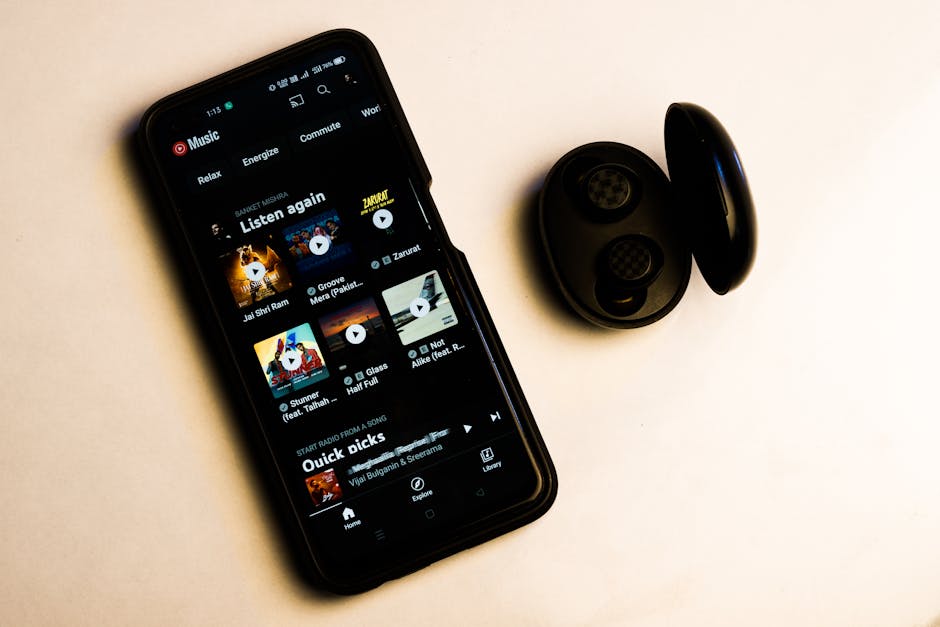
The music industry has undergone one of the most dramatic transformations in its history over the past two decades. Streaming technology has fundamentally altered how artists create, distribute, and profit from their work, while simultaneously reshaping listener behavior and consumption patterns. From the decline of physical media to the rise of algorithm-driven discovery, these changes have touched every aspect of the musical ecosystem. Understanding these shifts provides crucial insight into where the industry stands today and where it's headed tomorrow.

The Revolution in Music Consumption

The Decline of Physical Album Sales

Streaming platforms have accelerated the dramatic decline of physical music sales that began with digital downloads. CD sales, which peaked in the early 2000s, have plummeted by more than 90% in many markets. Vinyl has experienced a nostalgic resurgence among collectors and audiophiles, but it represents a tiny fraction of overall music consumption. The convenience of accessing millions of songs instantly from a smartphone has made physical media largely obsolete for mainstream listeners, fundamentally changing how record labels approach production and distribution budgets.

Access Over Ownership Becomes the Norm

Streaming has shifted consumer mentality from owning music to accessing it. Previous generations built personal music libraries through purchases, creating lasting connections with albums they owned. Today's listeners pay for temporary access to vast catalogs rather than permanent ownership of individual tracks or albums. This psychological shift has profound implications for how people value music and their relationship with artists, as the streaming model treats songs as interchangeable content rather than cherished possessions.

The Death of the Album Format

While albums still exist, streaming has diminished their cultural importance. Listeners now create custom playlists or rely on algorithmic recommendations rather than experiencing albums as cohesive artistic statements. Artists increasingly release singles strategically to maintain algorithmic relevance rather than waiting to complete full albums. Many musicians now view albums as collections of singles rather than unified creative works, fundamentally altering the artistic approach to music creation that dominated for over five decades.

Revenue Models Transformed for Artists

Streaming pays artists fractions of cents per play, typically between $0.003 and $0.005 per stream on major platforms. This requires millions of streams to generate significant income, fundamentally changing how musicians earn money. While superstars can generate substantial streaming revenue, mid-tier and emerging artists often struggle to make sustainable income from streams alone. This has forced musicians to diversify income sources, relying more heavily on live performances, merchandise, and brand partnerships than ever before.

Discovery and Distribution Changes

Algorithm-Driven Music Discovery

Streaming platforms use sophisticated algorithms to recommend music based on listening history, creating personalized discovery experiences. Playlists like Spotify's Discover Weekly and Release Radar have become primary discovery tools, often more influential than radio or music journalism. These algorithms determine which artists gain exposure and which remain obscure, concentrating significant power in the hands of platform developers rather than traditional gatekeepers like radio programmers or music critics.

Democratization of Music Distribution

Streaming platforms have lowered barriers to entry for independent artists. Musicians can now distribute their work globally without record label support through services like DistroKid and TuneCore. This democratization has resulted in an explosion of available music, with tens of thousands of tracks uploaded daily. While this creates opportunities for independent artists, it also creates unprecedented competition for listener attention in an increasingly saturated marketplace.

The Rise of Playlist Culture

Playlists have become the primary way listeners consume music on streaming platforms. Curated playlists by platforms, influencers, and users have replaced radio as the dominant force in music promotion. Landing on popular playlists like Spotify's "Today's Top Hits" or "RapCaviar" can launch careers overnight. This playlist economy has created new gatekeepers and changed how labels market music, focusing on playlist placement rather than traditional radio promotion.

Geographic Barriers Eliminated

Streaming has made music from around the world instantly accessible, breaking down geographic barriers that previously limited international artists. K-pop, Latin trap, and Afrobeats have achieved global success partly due to streaming accessibility. Artists no longer need international distribution deals to reach foreign audiences, enabling cultural exchange and fusion at unprecedented levels. This globalization has diversified mainstream music and created new cross-cultural collaborations.

Industry Structure and Economics

Data-Driven Decision Making

Streaming platforms generate massive amounts of data about listening habits, skip rates, and user engagement. Record labels and artists now use this data to inform creative and marketing decisions, from determining single releases to planning tour routes. This analytics-driven approach has made the music industry more similar to tech companies, where A/B testing and metrics guide strategy. While this increases efficiency, critics argue it can lead to formulaic music designed to perform well in algorithms rather than push creative boundaries.

The Shortened Attention Economy

Streaming metrics have revealed that listeners often skip songs within the first 30 seconds, leading to significant changes in song structure. Introductions have become shorter or disappeared entirely, with artists placing hooks earlier to prevent skips. Average song lengths have decreased, and many artists release more frequent, shorter tracks to maintain algorithmic relevance. This shift prioritizes immediate engagement over artistic development, fundamentally changing compositional approaches.

Revival of Catalog Music

Streaming has given older music new commercial life. Classic tracks can generate ongoing revenue decades after release, as streaming platforms make entire catalogs permanently available. This has increased the value of music publishing rights and catalogs, leading to major acquisitions as investors recognize the long-term revenue potential. Artists like Kate Bush have experienced career resurgences when their older songs trend on platforms like TikTok, demonstrating how streaming extends the commercial lifespan of recordings.

The Emergence of Mood-Based Listening

Streaming platforms organize music by mood and activity rather than just genre, changing how people think about music consumption. Playlists for "Focus," "Workout," or "Chill" have become more popular than genre-specific collections. This functional approach to music consumption reflects how streaming has integrated into daily life as background ambiance rather than active listening experiences. This shift has influenced how artists and labels position new releases, considering the playlist categories they might fit rather than solely genre classifications.

Social and Cultural Impact

The Integration of Social Features

Streaming platforms have incorporated social elements, allowing users to share playlists, see what friends are listening to, and collaborate on collections. This social dimension has made music consumption a more communal experience in digital spaces, even as it becomes more isolated physically. The virality potential of platforms like TikTok has created new pathways to success, where short clips can drive millions of streams. Artists now create music with viral potential in mind, considering how songs might work in 15-second video clips.

The Subscription Model's Market Dominance

The subscription model has proven remarkably successful, with hundreds of millions of paying subscribers globally. This predictable revenue stream has stabilized industry income after years of decline during the piracy era. However, subscription prices have remained relatively static while platforms negotiate with labels over payment rates, creating ongoing tension about how streaming revenue should be distributed. The model has also created expectation among consumers that all music should be available for a fixed monthly fee, making it difficult for artists to charge premium prices for exclusive content.

Conclusion

Streaming has fundamentally restructured the music industry in ways both beneficial and challenging. While it has provided unprecedented access to music, created new discovery mechanisms, and generated stable industry revenue, it has also created economic challenges for working musicians, changed artistic approaches, and concentrated power in platform algorithms. As streaming continues to evolve with new technologies and business models, understanding these fourteen transformative changes provides essential context for navigating the modern music landscape. The industry continues to adapt, seeking balance between technological innovation, artistic integrity, and sustainable economics for all stakeholders.