








1 / 10 Questions
0 Points

Which US City Did The Military Spray In 1950?

San Francisco

New York

Chicago

Miami

Points won
0
Correct score
0%

More Quizzes

More Articles

Why Chocolate Was Once Used as Currency

Why Chocolate Was Once Used as Currency

⏱️ 5 min read

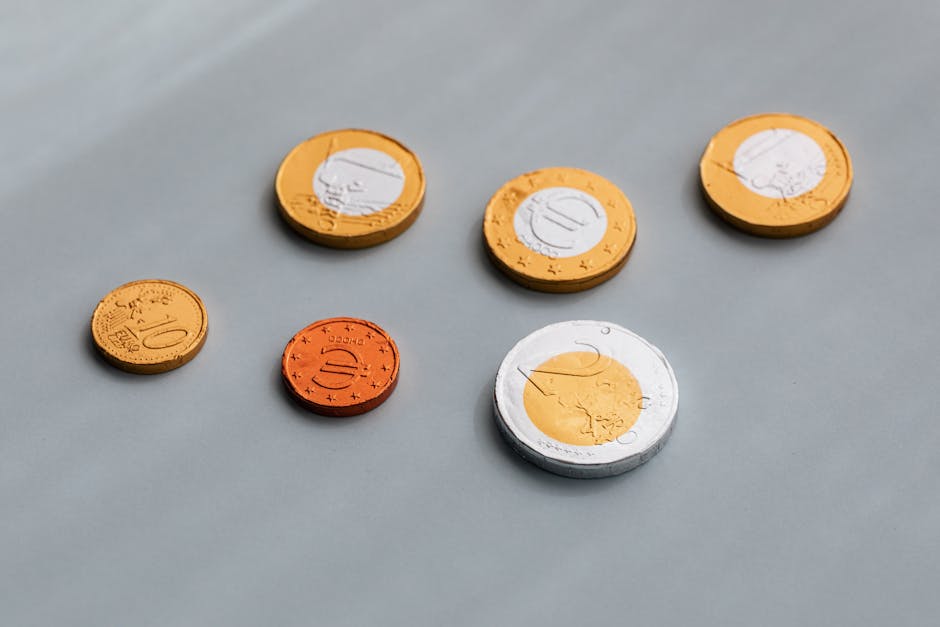
Long before chocolate became the sweet treat enjoyed worldwide today, cacao beans held a position of immense value in Mesoamerican civilizations. These precious seeds served not only as the foundation for a revered beverage but also functioned as a legitimate form of currency that shaped economic systems for centuries. The story of chocolate as money reveals fascinating insights into ancient commerce, cultural values, and the intrinsic worth societies placed on this remarkable crop.

The Sacred Origins of Cacao in Mesoamerica

Cacao's journey as currency began with the Maya and Aztec civilizations, where the beans were considered gifts from the gods. The Mayans, dating back to at least 250 CE, cultivated cacao trees in the tropical regions of present-day Mexico, Guatemala, and Honduras. These civilizations didn't consume chocolate as the solid confection known today; instead, they prepared it as a bitter, frothy beverage often mixed with spices, cornmeal, or chili peppers.

The reverence for cacao extended beyond its consumption. The beans were difficult to cultivate, requiring specific climate conditions and careful tending. This agricultural challenge, combined with the belief in cacao's divine origins, established the beans as items of exceptional value. The Aztec emperor Montezuma reportedly consumed up to 50 cups of chocolate daily, demonstrating both the beverage's importance and the considerable wealth required to afford such luxury.

How Cacao Beans Functioned as Money

The monetary system based on cacao beans operated with surprising sophistication. Aztec merchants and traders used standardized counts of beans for transactions, with specific values assigned to different quantities. Historical records indicate that 100 cacao beans could purchase a slave, while 10 beans might buy a rabbit. A single bean could be exchanged for a tamale, making cacao divisible enough for everyday purchases yet valuable enough for major transactions.

The beans possessed several characteristics that made them ideal currency:

  • They were portable and relatively durable when properly stored
  • Their value was widely recognized across different Mesoamerican societies
  • They could be counted easily, allowing for precise transactions
  • They had intrinsic value beyond their monetary function as they could be consumed
  • They were difficult to counterfeit due to their distinctive appearance and origin

The Economic Structure Supporting Cacao Currency

The widespread acceptance of cacao as money created complex economic networks throughout Mesoamerica. Tribute systems required conquered territories to pay taxes to Aztec rulers in cacao beans, among other goods. The Aztec capital of Tenochtitlan received an estimated 980 loads of cacao annually from subject provinces, with each load containing approximately 24,000 beans.

Markets throughout the empire buzzed with activity as traders exchanged cacao for goods ranging from cloth and food to precious metals and stones. Professional merchants called pochteca traveled extensive trade routes, carrying cacao beans as their primary medium of exchange. These merchant classes accumulated considerable wealth and influence, demonstrating the sophisticated commercial system that cacao currency supported.

Counterfeit Cacao and Quality Control

As with any valuable currency, the cacao system faced challenges with counterfeiting. Enterprising fraudsters would hollow out cacao beans and fill the shells with dirt or avocado skin, attempting to pass them off as genuine in crowded marketplaces. This practice became common enough that traders developed expertise in identifying authentic beans, examining them carefully before accepting them as payment.

Quality variations among cacao beans also affected their value. Beans from certain regions commanded premium prices due to superior flavor or size. The finest beans came from the Soconusco region along the Pacific coast of present-day Chiapas, Mexico, and these could be worth significantly more than common varieties. This regional differentiation created a nuanced economic system where not all cacao currency held equal value.

The Spanish Arrival and Transformation

When Spanish conquistadors arrived in the early 16th century, they quickly recognized the monetary value of cacao beans. Hernán Cortés himself noted in his writings to King Charles V that cacao beans were used as currency and that a person could buy anything in the market with them. The Spanish initially adopted the existing system, using cacao beans for transactions while establishing their colonial presence.

However, Spanish colonization gradually transformed chocolate from currency to commodity. The colonizers introduced sugar to the bitter beverage, creating a sweeter version that would eventually spread throughout Europe. As Spanish silver coins became the dominant currency and cacao plantations expanded under colonial management, the beans transitioned from money to a cash crop exported to Europe.

Legacy of Cacao Currency

The use of cacao as currency persisted in some remote areas of Latin America well into the 19th century, long after the Spanish conquest. This longevity testifies to the deep-rooted economic systems built around cacao and the bean's enduring value in traditional communities. Even today, the historical significance of cacao as money influences how chocolate is perceived culturally in regions where the ancient civilizations once thrived.

Understanding chocolate's monetary past provides valuable perspective on how currencies develop and what gives them value. The cacao bean system demonstrates that money need not be metal or paper to function effectively in complex societies. The intrinsic value of cacao, combined with cultural significance and practical characteristics, created a currency system that sustained empires and facilitated trade across vast territories for hundreds of years, leaving an indelible mark on human economic history.
Historical Events Triggered by Simple Mistakes

Historical Events Triggered by Simple Mistakes

⏱️ 5 min read

Throughout history, seemingly insignificant errors and oversights have cascaded into events that changed the course of nations, empires, and even the world. These moments remind us that human fallibility can have profound consequences, and that the smallest decisions sometimes carry the greatest weight. From military blunders to communication failures, these historical incidents demonstrate how fragile the balance of power and peace can be.

The Fall of Constantinople and an Unlocked Gate

In 1453, the Byzantine Empire met its end partly due to a simple oversight that would haunt military historians for centuries. During the Ottoman siege of Constantinople, someone forgot to lock the Kerkoporta, a small gate in the city's massive defensive walls. For weeks, the Byzantines had successfully defended their capital against Sultan Mehmed II's forces. However, on the final day of the siege, Ottoman soldiers discovered this unlocked postern gate.

While the Ottoman victory was likely inevitable given their superior numbers and artillery, this mistake accelerated the city's fall. Troops poured through the small opening, creating chaos within the defenses and forcing Byzantine soldiers to fight on multiple fronts. The resulting confusion contributed significantly to the collapse of resistance. The fall of Constantinople marked the end of the Roman Empire's thousand-year continuation and shifted the balance of power in the Mediterranean world.

The Zimmermann Telegram's Faulty Encryption

World War I might have concluded very differently had German Foreign Secretary Arthur Zimmermann not made a critical error in 1917. Germany sent a coded telegram to Mexico proposing a military alliance against the United States. The message promised that if Mexico joined the Central Powers, Germany would help Mexico recover territories lost to the United States, including Texas, New Mexico, and Arizona.

The catastrophic mistake was sending the telegram through channels that British intelligence could intercept. German officials used a diplomatic code that British cryptographers had already partially broken. When the British decoded and passed the message to American authorities, public outrage exploded across the United States. This single communication error helped push a previously neutral America into World War I on the Allied side, fundamentally altering the war's outcome and reshaping the twentieth century.

NASA's Mars Climate Orbiter and Unit Conversion

In 1999, NASA lost a $125 million spacecraft because two teams of engineers failed to communicate about their measurement systems. The Mars Climate Orbiter was designed to study the Martian atmosphere and climate, but it never completed its mission. One engineering team at Lockheed Martin used imperial units (pounds of force), while NASA's Jet Propulsion Laboratory team used metric units (newtons).

This seemingly trivial inconsistency caused the spacecraft to approach Mars at an altitude far lower than intended. Instead of entering orbit at approximately 150 kilometers above the surface, the orbiter came within 57 kilometers, causing it to either burn up in the atmosphere or skip back into space. The loss represented not just financial waste but also years of scientific work and planning destroyed by a simple failure to standardize measurements.

The Great Fire of London's Delayed Response

In September 1666, a small fire began in a bakery on Pudding Lane in London. The baker, Thomas Farriner, failed to properly extinguish his oven's flames before retiring for the night. When Lord Mayor Sir Thomas Bloodworth was awoken to authorize demolishing buildings to create firebreaks, he reportedly dismissed the blaze with the words, "A woman might piss it out," and returned to bed without taking action.

This delayed response proved catastrophic. The fire raged for four days, destroying approximately 13,200 houses, 87 churches, and most of the city's official buildings. While remarkably few deaths were officially recorded, tens of thousands were left homeless. The Great Fire fundamentally transformed London's architecture and city planning, leading to new building regulations and the replacement of wooden structures with stone and brick. A faster initial response might have contained the fire to a single neighborhood.

The Titanic's Ignored Ice Warnings

The sinking of the RMS Titanic in 1912 resulted from multiple errors, but one particularly significant mistake was the wireless operators' handling of ice warnings. On the night of April 14, the Titanic received several warnings about ice fields ahead. However, the wireless operators, busy transmitting passengers' personal messages, treated these warnings casually. Some were never delivered to the bridge, and those that were received didn't prompt sufficient action.

Additionally, the nearby ship SS Californian's wireless operator had turned off his equipment for the night just minutes before the Titanic struck the iceberg. The failure to maintain 24-hour wireless watch and the casual treatment of ice warnings contributed to the disaster that claimed over 1,500 lives. These oversights led to international maritime regulations requiring continuous radio watches and standardized emergency procedures that still protect lives today.

The Chernobyl Disaster's Safety Test

On April 26, 1986, what was supposed to be a routine safety test at the Chernobyl Nuclear Power Plant became history's worst nuclear disaster. Operators conducting the test made several critical errors: they disabled safety systems to prevent automatic shutdown, withdrew too many control rods, and ignored warning signs when reactor power dropped to dangerous levels.

When operators attempted to recover power quickly, they violated multiple safety protocols simultaneously. The resulting power surge caused explosions that released massive amounts of radioactive material across Europe. The combination of procedural violations, inadequate training, and design flaws in the reactor turned a safety test into a catastrophe that killed dozens immediately and caused thousands of cancer deaths. The disaster's environmental and social impact continues to resonate decades later.

Lessons from Historical Mistakes

These events demonstrate that human error remains a constant factor in history, regardless of technological advancement or institutional safeguards. They underscore the importance of attention to detail, proper communication, and the danger of complacency. Modern systems increasingly incorporate redundancies and checks specifically because history has taught us that individuals will inevitably make mistakes. Understanding these historical errors helps societies design better systems, protocols, and decision-making processes to minimize the potential for catastrophic consequences arising from simple human oversights.