








1 / 20 Questions
0 Points

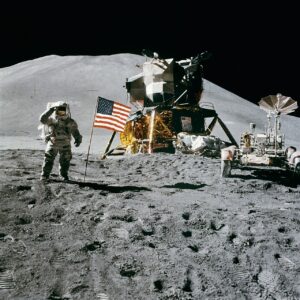
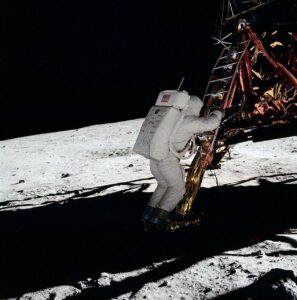
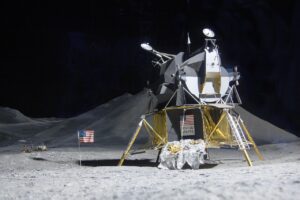
Which year did humans first land on the Moon?

1967

1968

1969

1970

Points won
0
Correct score
0%

More Quizzes

More Articles

Did You Know? 12 Crazy Behind-the-Scenes Stories from Film Sets

Did You Know? 12 Crazy Behind-the-Scenes Stories from Film Sets

⏱️ 7 min read

The magic of cinema often extends far beyond what audiences see on screen. Some of the most fascinating aspects of filmmaking happen behind the camera, where actors, directors, and crew members create movie history through unexpected challenges, creative solutions, and sometimes downright bizarre circumstances. These remarkable behind-the-scenes stories reveal the dedication, chaos, and occasional insanity that goes into creating beloved films.

Unforgettable Tales from Hollywood's Biggest Productions

1. The Wizard of Oz's Dangerous Snow Scene

The iconic snow scene in "The Wizard of Oz" wasn't created with harmless soap flakes or paper. Instead, the production used industrial-grade asbestos as artificial snow. The cast and crew spent hours filming in what is now known to be a highly toxic substance. This dangerous material was sprinkled throughout the set, and actors breathed it in while performing. This revelation decades later shocked fans and highlighted how little was understood about workplace safety in 1939 Hollywood.

2. Apocalypse Now's Production Nightmare

Francis Ford Coppola's Vietnam War epic encountered almost every possible disaster during its Philippines shoot. The production lasted 238 days instead of the scheduled 14 weeks. A typhoon destroyed sets worth millions of dollars, forcing complete reconstruction. Lead actor Martin Sheen suffered a near-fatal heart attack at age 36, crawling along a road for help. Meanwhile, Marlon Brando arrived on set overweight and unprepared, having never read the source material. Coppola himself mortgaged his house multiple times and contemplated suicide during the chaotic production.

3. The Shining's Record-Breaking Door Scene

The famous "Here's Johnny!" scene required Jack Nicholson to break through a bathroom door with an axe. However, Nicholson had previously worked as a volunteer fire marshal and knew proper techniques for breaking down doors. He destroyed the first door so quickly that the camera crew couldn't capture adequate footage. The prop department had to rebuild the door using sturdier materials. Ultimately, Nicholson went through 60 doors before director Stanley Kubrick was satisfied with the scene's tension and timing.

4. Jaws' Mechanical Shark Malfunction

Steven Spielberg's mechanical shark, nicknamed "Bruce," malfunctioned constantly during the filming of "Jaws." The saltwater corroded the mechanical components, causing the shark to sink, arrive late to shots, or refuse to work entirely. These technical failures forced Spielberg to completely reimagine his approach, showing the shark minimally and using perspective shots, barrels, and music to create suspense instead. This limitation accidentally created a masterclass in suspenseful filmmaking and made the movie far more terrifying than originally planned.

5. The Abyss's Underwater Torture

James Cameron's underwater thriller pushed cast and crew to their absolute limits. Ed Harris and Mary Elizabeth Mastrantonio spent weeks in water-filled tanks, performing scenes while scuba diving. Harris became so emotionally traumatized by the experience that he reportedly cried during the drive home and refused to discuss the film for years afterward. Mastrantonio was so exhausted after filming her drowning scene that she walked off set and allegedly never returned for the wrap party. The crew designed hand signals for "I'm okay" and "I'm in trouble and might die."

6. Mad Max Fury Road's Decade-Long Journey

George Miller's action masterpiece spent over a decade in development hell before cameras rolled. Originally scheduled to film after 9/11, the production was postponed due to the Iraq War driving up fuel costs. When filming finally began in 2012, Miller shot enough footage for multiple films. The editing process took two years, with editor Margaret Sixel initially cutting the film to scenes without dialogue to focus purely on visual storytelling. The production used practical effects and real stunts wherever possible, with vehicles actually racing through the Namibian desert at high speeds.

7. Alien's Chest-Burster Shock

Director Ridley Scott deliberately kept most of the cast ignorant about the specific details of the chest-burster scene. The actors knew something would emerge from John Hurt, but they didn't know how graphic it would be or that they would be sprayed with blood. The genuine shock and horror on their faces is completely real. Veronica Cartwright was positioned directly in the blood spray trajectory and got drenched, causing her authentic scream of surprise. This filmmaking decision created one of cinema's most memorable and genuinely horrifying moments.

8. The Revenant's Brutal Filming Conditions

Alejandro González Iñárritu insisted on using only natural lighting and filming in chronological order in remote wilderness locations. The cast and crew endured freezing temperatures in Canada and Argentina, with Leonardo DiCaprio regularly swimming in frozen rivers and sleeping in animal carcasses. The production schedule depended entirely on weather and light conditions, causing months of delays. Crew members quit regularly due to the extreme conditions. The film's famous bear attack scene required extensive rehearsal and coordination with stunt performers and CGI artists.

9. Poltergeist's Real Skeletons Controversy

The swimming pool scene featuring decomposed bodies used real human skeletons because they were cheaper than fabricated props at the time. Actress JoBeth Williams wasn't informed until after filming that she had been swimming with actual human remains. This revelation disturbed her greatly, and she later stated she would have refused had she known beforehand. The use of real skeletons became controversial and contributed to rumors about a "Poltergeist curse" after several cast members died following the film's release.

10. Fitzcarraldo's Impossible Production

Werner Herzog's obsessive vision required hauling a 320-ton steamship over a mountain in the Peruvian rainforest without special effects. The production faced incredible obstacles: the original lead actor Jason Robards contracted dysentery and left, Mick Jagger had to abandon the project due to touring commitments, and the crew relocated after local tribal conflicts. Native workers pulled the massive ship up a mountainside using a complex pulley system, with several people nearly dying during the dangerous process. Herzog's determination to achieve this seemingly impossible feat without tricks or miniatures has become legendary.

11. The Birds' Method Acting Horror

Alfred Hitchcock initially told actress Tippi Hedren that mechanical birds would be used for the famous attic attack scene. However, when filming began, live birds were hurled at her for an entire week. The birds were tied to her costume, pecking and clawing her face and body. One bird nearly blinded her by pecking too close to her eye. Hedren eventually collapsed from exhaustion and received medical orders to rest. This traumatic experience severely damaged her relationship with Hitchcock and affected her mental health for years afterward.

12. Saving Private Ryan's Boot Camp Preparation

Steven Spielberg sent his principal cast through an intensive 10-day military boot camp led by real military advisors before filming began. The actors endured sleep deprivation, cold meals, long marches, and constant physical challenges to understand soldier experiences. However, Spielberg deliberately excluded Matt Damon from boot camp so the other actors would naturally resent his character, Private Ryan, whom they had to risk their lives to save. This strategy created authentic tension between cast members that translated perfectly into their on-screen dynamics.

The Real Story Behind the Magic

These extraordinary behind-the-scenes stories demonstrate that filmmaking often requires as much drama, danger, and dedication as any fictional narrative. Directors push boundaries, actors endure extreme conditions, and crews overcome seemingly impossible obstacles to create the movies that captivate audiences worldwide. While modern safety standards and technology have made filmmaking somewhat less hazardous, the commitment to authentic storytelling continues to drive filmmakers toward extraordinary measures. These stories remind us that the journey to create cinematic magic is often just as compelling as the final product itself, filled with human perseverance, creative problem-solving, and occasionally, complete chaos that somehow results in masterpieces.

10 Surprising Facts About Medieval Times

10 Surprising Facts About Medieval Times

⏱️ 7 min read

The medieval period, spanning roughly from the 5th to the 15th century, remains one of the most misunderstood eras in human history. Popular culture has painted it as a time of dirt, darkness, and superstition, yet the reality was far more nuanced and fascinating. From surprising hygiene practices to unexpected technological innovations, medieval society was considerably more sophisticated than many realize. The following facts challenge common misconceptions and reveal the complex, vibrant world of medieval life.

Uncovering the Truth About the Middle Ages

1. Medieval People Were Cleaner Than Victorian Counterparts

Contrary to popular belief, medieval Europeans placed considerable importance on cleanliness and hygiene. Public bathhouses were common features in medieval cities, and many people bathed regularly—far more frequently than their Victorian-era descendants. Church records from the period reveal numerous references to bathing, and archaeological evidence shows sophisticated drainage systems in many medieval towns. The wealthy owned ornate washing basins, while monasteries maintained strict washing schedules. Interestingly, the decline in bathing practices came later, during the Renaissance and early modern period, when physicians began incorrectly warning that water could spread disease through open pores.

2. Medieval Cuisine Was Surprisingly Sophisticated and Flavorful

The medieval diet, particularly among the wealthy and middle classes, was far more diverse and refined than commonly assumed. Medieval cooks used a vast array of spices including saffron, cinnamon, ginger, and pepper, creating complex flavor profiles that would impress modern palates. Cookbooks from the era reveal intricate recipes with detailed instructions for elaborate dishes. Even peasants enjoyed more variety than stereotypes suggest, with seasonal vegetables, dairy products, and occasional meat supplementing their bread-based diet. The wealthy consumed exotic fruits, fresh fish transported in water tanks, and imported delicacies. Medieval banquets were theatrical affairs featuring multiple courses, ornate presentations, and entertainment between servings.

3. Women Held Significant Economic and Social Power

While medieval society was undeniably patriarchal, women exercised considerably more agency than Victorian-era narratives suggest. Women could own and operate businesses, particularly as brewers, textile workers, and merchants. Guild records show female members in various trades. Noblewomen managed vast estates, commanded defenses during sieges, and wielded political influence through marriage alliances and regency roles. Some women became renowned scholars, mystics, and medical practitioners. The medieval period even saw female warriors and knights, though they were exceptional cases. Widows, in particular, often inherited their husband's businesses and property, operating with substantial independence.

4. Medieval Dentistry Understood Prevention and Treatment

Medieval people had better dental health than their early modern successors, primarily because refined sugar wasn't yet widely available in Europe. Dental care manuals from the period reveal sophisticated understanding of oral hygiene, recommending regular cleaning with cloths and various powders made from herbs and abrasives. Barber-surgeons performed tooth extractions using specialized tools, and some practitioners created early forms of dental prosthetics. Medieval physicians understood that poor dental health could affect overall well-being, and recommended various remedies for toothaches and gum disease. The quality of medieval teeth, as revealed by skeletal remains, often surpasses that of later centuries.

5. Color and Fashion Were Surprisingly Vibrant

The drab, monochromatic medieval world depicted in many films is historically inaccurate. Medieval people loved bright colors, and clothing across social classes was remarkably colorful. Natural dyes produced vivid reds, blues, greens, and yellows. Buildings featured painted decorations both inside and out, with churches showcasing elaborate polychrome sculptures and frescoes. Manuscripts were illuminated with brilliant pigments including gold leaf. Even armor was often decorated or painted. Sumptuary laws, which restricted certain colors and fabrics to specific social classes, existed precisely because people of all stations desired colorful, fashionable clothing. The medieval world was a riot of color, not the dreary gray landscape of popular imagination.

6. Advanced Legal Systems Protected Common People

Medieval legal systems were surprisingly sophisticated, with established courts, professional lawyers, and detailed legal codes. While justice wasn't always equally applied, common people had access to courts and could bring suits against nobles under certain circumstances. Trial by jury emerged during this period, originating in England and spreading throughout Europe. Legal protections existed for peasants against arbitrary treatment by lords. Market courts settled commercial disputes, ecclesiastical courts handled moral and religious matters, and manorial courts addressed local issues. Written records were meticulously maintained, and legal precedents were cited. The foundation of modern Western legal systems was largely established during the medieval period.

7. Medieval Innovation Revolutionized Agriculture and Industry

The Middle Ages witnessed remarkable technological advancement that transformed European society. The heavy plow, horse collar, and three-field crop rotation system dramatically increased agricultural productivity, supporting population growth. Watermills and windmills mechanized grain grinding and other industrial processes. Medieval engineers developed sophisticated clock mechanisms, improving timekeeping for monasteries and towns. The period saw innovations in metallurgy, glassmaking, and construction techniques that enabled the building of soaring Gothic cathedrals. Universities were established, creating centers of learning and innovation. Contrary to the "Dark Ages" label, this era laid crucial groundwork for later scientific and technological developments.

8. Literacy Rates Were Higher Than Expected

While universal literacy remained centuries away, medieval literacy was more widespread than commonly believed. Beyond clergy and nobility, many merchants, craftspeople, and administrators could read and write to varying degrees. The rise of universities increased educated populations in urban centers. Vernacular literature flourished, suggesting substantial readership beyond Latin-literate clergy. Women of various social classes achieved literacy, particularly in convents but also in merchant families. Public readings of literature, legal documents, and proclamations meant even non-literate people had access to written information. The later medieval period saw increasing emphasis on education, with some cities establishing schools for non-elite children.

9. Medieval Medicine Combined Practical Knowledge with Scholarship

Medieval medicine was far more advanced than its reputation suggests. Physicians studied classical medical texts, conducted anatomical observations, and developed treatments based on careful observation. Hospitals were established throughout Europe, providing care for the sick and injured. Surgeons performed complex operations including cataract removal, hernia repair, and skull trepanation. Medical schools trained physicians in theoretical and practical knowledge. Herbalists and apothecaries maintained sophisticated pharmacopeias. While medieval medical theory sometimes seems strange by modern standards, many treatments were genuinely effective, and medieval practitioners made important discoveries in anatomy, surgery, and pharmacology that influenced later medical development.

10. International Trade Networks Spanned Continents

Medieval Europe was far from isolated. Extensive trade networks connected Europe with Africa, the Middle East, and Asia. The Silk Road brought Asian goods to European markets, while Mediterranean trade linked Christian and Islamic worlds. Merchants traveled remarkable distances, establishing trading posts and colonies. The Hanseatic League created a powerful commercial network across Northern Europe. Crusades, despite their violence, facilitated cultural and commercial exchange. Europeans imported spices, silk, precious stones, and new ideas from distant lands. Arabic numerals, gunpowder, and paper-making reached Europe through these trade connections. This international commerce fostered cultural exchange, technological transfer, and economic development that shaped medieval civilization.

A More Complex Reality

These surprising facts reveal a medieval period far removed from common stereotypes. Rather than a dark, backward era, the Middle Ages represented a dynamic period of innovation, cultural richness, and social complexity. Medieval people maintained hygiene, enjoyed flavorful food, developed sophisticated legal and medical systems, and participated in international trade networks. Understanding these realities provides a more accurate and nuanced appreciation of this pivotal period in human history, reminding us that progress is rarely linear and that past societies possessed knowledge and capabilities that deserve recognition and respect.