










1 / 10 Questions
0 Points

Which World-Famous Tower Was Slated For Demolition In 1909?

Space Needle

Eiffel Tower

Big Ben

Leaning Tower of Pisa

Points won
0
Correct score
0%

More Quizzes

More Articles

Essential Survival Skills Nobody Teaches You

Essential Survival Skills Nobody Teaches You

⏱️ 5 min read

When most people think about survival skills, they envision building fires, finding water, or constructing shelters in the wilderness. While these abilities are certainly valuable, there exists a vast array of critical survival knowledge that rarely gets discussed in mainstream preparedness guides. These overlooked skills can mean the difference between thriving and merely surviving during emergencies, whether in urban environments, natural disasters, or unexpected wilderness situations.

Understanding Psychological Resilience Under Stress

The most underestimated survival skill is managing the psychological impact of crisis situations. Panic, decision paralysis, and emotional breakdown kill more people in emergencies than lack of physical survival knowledge. Learning to recognize and control the physiological symptoms of acute stress—rapid heartbeat, tunnel vision, and impaired decision-making—can be lifesaving.

The "Rule of Threes" in survival prioritization helps maintain mental clarity: humans can survive three minutes without air, three hours without shelter in harsh conditions, three days without water, and three weeks without food. This framework prevents wasting critical energy on less urgent concerns while ignoring immediate threats.

Navigation Without Technology

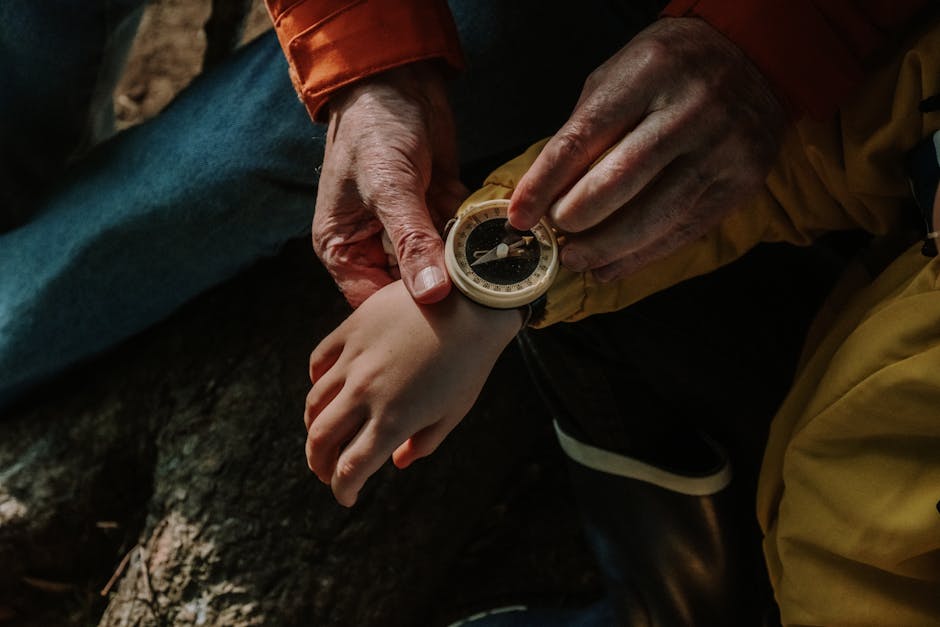
GPS devices and smartphone mapping applications have created a dangerous dependency on technology that can fail when needed most. Understanding celestial navigation, terrain association, and natural indicators provides backup navigation methods that require no equipment.

Reading Natural Signs

Moss does not reliably grow only on the north side of trees, contrary to popular belief. However, observing multiple environmental indicators together creates a reliable navigation system. In the Northern Hemisphere, the sun rises in the east and sets in the west, reaching its highest point in the southern sky at noon. Star navigation using Polaris, the North Star, provides constant directional reference. Finding Polaris involves locating the Big Dipper constellation and following the line created by its two outermost stars upward approximately five times that distance.

Water Procurement Beyond Basic Filtration

While most survival guides cover boiling and filtering water, they often omit crucial information about water location, collection methods, and recognizing contamination sources that filtration cannot address.

Identifying Safe Water Sources

Moving water is generally safer than stagnant water, but proximity to agricultural areas introduces pesticides and fertilizer runoff that standard filtration cannot remove. Morning dew collection using absorbent cloth provides surprisingly effective water gathering, with a single cloth potentially collecting a liter of water over several hours in humid conditions. Underground water sources found by digging in the lowest point of valleys or dry streambeds often provide cleaner water than surface sources.

Recognizing Chemical Contamination

Biological contaminants are neutralized through boiling, but chemical pollution from industrial sources, mining operations, or agricultural runoff requires different approaches. Water with unusual coloration, petroleum odors, or dead vegetation along banks indicates potential chemical contamination. In these cases, relocation to different water sources takes priority over attempting purification.

Thermoregulation and Exposure Prevention

Hypothermia and hyperthermia cause more survival situation deaths than dehydration or starvation, yet temperature regulation receives minimal attention in basic survival education. Understanding the mechanisms of heat loss and gain enables effective prevention strategies.

The COLD Principle

Professional wilderness programs teach the COLD acronym for preventing hypothermia:

  • Clean clothing maintains insulation properties that dirt and oils diminish
  • Avoid overheating, as perspiration dampens clothing and accelerates heat loss
  • Loose layers trap insulating air while allowing moisture escape
  • Dry clothing is essential, as wet fabric conducts heat away from the body 25 times faster than dry material

Recognizing early hypothermia symptoms in oneself proves difficult due to impaired judgment as core temperature drops. The "umbles"—stumbles, mumbles, fumbles, and grumbles—indicate dangerous cognitive decline requiring immediate intervention.

Practical First Aid for Remote Situations

Standard first aid courses focus on stabilizing patients until professional medical help arrives. Survival medicine requires managing injuries and illnesses when evacuation is impossible or delayed for extended periods.

Wound Closure Without Medical Supplies

Deep lacerations in wilderness settings require closure to prevent infection and excessive blood loss. Butterfly bandages can be improvised from duct tape, and wounds can be held together using the super glue method, where cyanoacrylate adhesive bonds skin edges. This technique was originally developed for battlefield medicine. Alternatively, the needle and thread method requires sterilizing materials through boiling and using careful technique to approximate wound edges without causing additional tissue damage.

Managing Dental Emergencies

Severe tooth pain or lost fillings can become debilitating in survival situations. Temporary cavity filling using softened candle wax or pine resin provides relief until professional dental care becomes accessible. Clove oil, if available, contains eugenol, a natural anesthetic and antibacterial compound used in professional dentistry.

Social Dynamics and Group Survival

Survival situations involving multiple people introduce complex social challenges rarely addressed in individual preparedness training. Leadership conflicts, resource allocation disputes, and group decision-making processes can undermine survival efforts.

Establishing clear roles and decision-making protocols before crisis situations intensify prevents destructive conflicts. Democratic approaches work well for non-urgent decisions, but emergency situations require designated leadership with authority to make rapid decisions without consensus delays.

Urban Survival Considerations

Most survival education focuses on wilderness scenarios, ignoring the reality that most emergencies occur in urban or suburban environments. Understanding urban-specific challenges like contaminated air from fires, navigating debris-filled streets, and securing shelter in damaged buildings requires different skills than wilderness survival.

Gray man theory—the practice of avoiding attention by blending with surroundings and appearing unremarkable—protects individuals during civil unrest or resource scarcity situations where displaying preparedness supplies attracts unwanted attention. This psychological approach to urban survival proves as valuable as physical supplies during extended emergencies.
The Science of Texture in Food

The Science of Texture in Food

⏱️ 5 min read

When biting into a perfectly crispy potato chip, savoring a creamy chocolate mousse, or experiencing the satisfying crunch of fresh vegetables, the sensory pleasure goes far beyond taste alone. Texture plays a fundamental role in how we perceive and enjoy food, often influencing our preferences just as much as flavor. The scientific study of food texture has revealed that our mouths and brains process textural information through complex mechanisms that significantly impact our overall eating experience and food choices.

Understanding Food Texture and Its Components

Food texture refers to the physical properties of food that can be felt by touch, including the sensations experienced in the mouth during chewing and swallowing. Scientists classify texture into mechanical properties, geometric properties, and other characteristics. Mechanical properties include hardness, cohesiveness, viscosity, elasticity, and adhesiveness. Geometric properties relate to the size, shape, and arrangement of particles within food, such as graininess, grittiness, or fibrousness. Additional characteristics encompass moisture content and fat content, which contribute to perceptions like moistness, oiliness, or greasiness.

The science of rheology, which studies how materials deform and flow, is essential to understanding food texture. Rheological measurements help food scientists quantify properties like viscosity in liquids and viscoelasticity in semi-solid foods, providing objective data that correlates with subjective sensory experiences.

How We Perceive Texture

The human perception of texture involves multiple sensory systems working simultaneously. Mechanoreceptors in the mouth, tongue, and jaw detect pressure, vibration, and movement. These specialized nerve endings transmit signals to the brain about the physical properties of food as we manipulate it with our tongues and teeth. The process begins even before food enters the mouth, as visual and auditory cues set expectations about texture.

The brain integrates information from various sources to create a complete textural perception. Touch receptors provide feedback about firmness and temperature, proprioceptors in muscles and joints track jaw movements and the force required to chew, and even our ears contribute by detecting sounds produced during chewing. The characteristic crunch of fresh lettuce or the snap of a crisp apple provides auditory feedback that enhances our perception of freshness and quality.

The Chemistry Behind Textural Properties

At the molecular level, texture arises from the structure and interactions of proteins, carbohydrates, fats, and water within food. Proteins can form networks that trap water and create gel-like structures, as seen in custards and set yogurts. The type and concentration of protein, along with factors like pH and temperature, determine the strength and characteristics of these networks.

Carbohydrates contribute to texture through various mechanisms. Starches gelatinize when heated in water, swelling and creating thickness in sauces and puddings. Pectin and other polysaccharides form gels in jams and jellies through specific molecular interactions. Cellulose and other dietary fibers provide structure and crispness in plant tissues.

Fats influence texture by creating smoothness and lubricity, coating the mouth and providing a rich mouthfeel. The crystalline structure of fats determines whether a product feels waxy, creamy, or brittle. Water content and how it is bound within the food matrix critically affects texture, influencing properties ranging from juiciness to crispness to chewiness.

Texture Modification in Food Processing

Food scientists and chefs employ numerous techniques to manipulate texture and create desired sensory experiences. Heat treatment alters protein structures through denaturation and can gelatinize starches, transforming raw ingredients into entirely different textures. Mechanical processing, including grinding, homogenization, and emulsification, changes particle size and distribution, affecting how food feels in the mouth.

The addition of hydrocolloids—substances that form gels or thicken when mixed with water—allows precise control over texture. Common hydrocolloids include:

  • Gelatin, derived from collagen, used in desserts and confections
  • Agar, extracted from seaweed, popular in Asian cuisine and molecular gastronomy
  • Xanthan gum, a bacterial fermentation product, used to stabilize emulsions and suspensions
  • Modified starches engineered for specific functional properties in processed foods

Fermentation processes also significantly impact texture. The action of microorganisms and enzymes can break down proteins and carbohydrates, creating characteristic textures in products like cheese, bread, and fermented vegetables.

Cultural Preferences and Textural Expectations

Texture preferences vary significantly across cultures and influence food acceptance and consumption patterns. While Western cuisines often prize crispy and crunchy textures, many Asian food cultures embrace soft, slippery, and gelatinous textures that might be unfamiliar or unappealing to others. These preferences develop through early exposure and cultural conditioning.

Texture words themselves are culturally specific, with some languages containing extensive vocabularies to describe subtle textural differences. Japanese, for example, has numerous onomatopoetic words describing various textures, reflecting the cultural importance placed on textural variety in cuisine.

Texture's Role in Nutrition and Satiety

Research demonstrates that texture influences not only enjoyment but also nutritional outcomes. Foods requiring more chewing typically result in slower eating rates and increased satiety signals, potentially helping with portion control and weight management. The physical act of chewing stimulates saliva production and prepares the digestive system for nutrient absorption.

Texture also affects the bioavailability of nutrients. Grinding, cooking, and other texture-modifying processes can make certain nutrients more accessible for absorption while potentially reducing others. The food matrix—how nutrients are embedded within the textural structure—influences digestion and metabolism.

Innovation in Texture Science

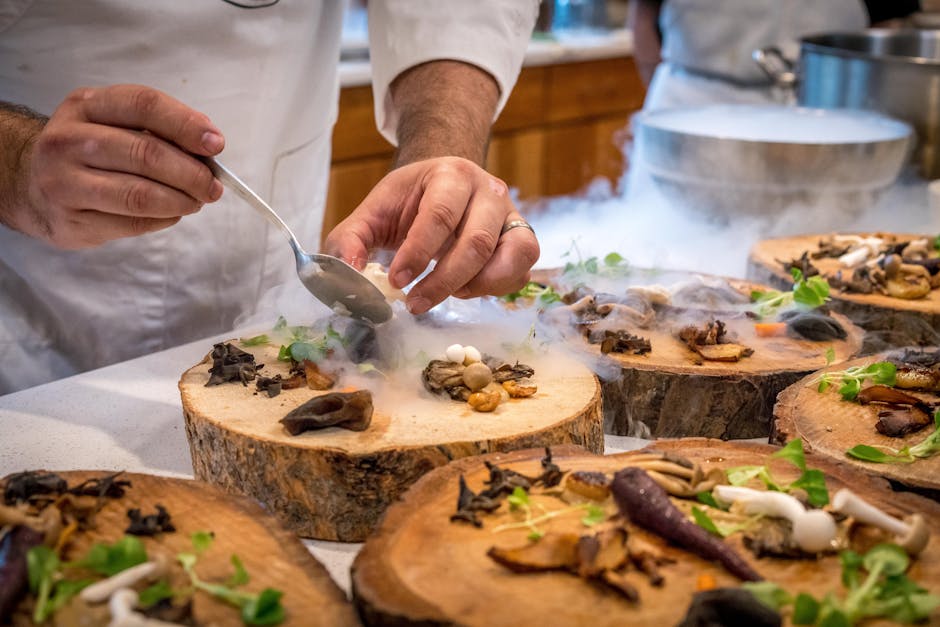
Modern food technology continues to push boundaries in texture creation. Molecular gastronomy has introduced techniques like spherification, which encapsulates liquids in delicate membranes, and the use of liquid nitrogen for unique frozen textures. Plant-based meat alternatives rely heavily on texture engineering to mimic the fibrous, juicy characteristics of animal proteins. Three-dimensional food printing promises customized textures for specific dietary needs or preferences.

Understanding the science of texture enables better food design, improved quality control, and innovation in creating novel eating experiences that satisfy both our palates and our complex sensory systems.