
⏱️ 5 min read
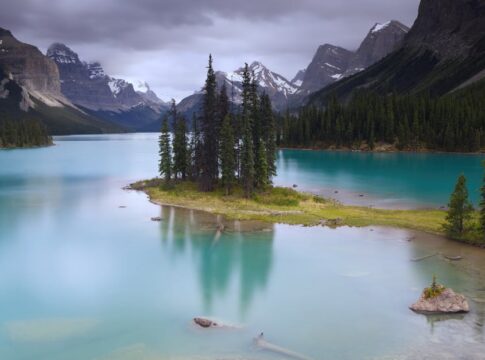
Canada’s landscape is dominated by an extraordinary aquatic feature that sets it apart from every other nation on Earth. The country contains an estimated 60% of the world’s lakes, a staggering concentration of freshwater bodies that exceeds the combined total of lakes found in all other countries. This remarkable geographic distinction has shaped Canada’s environment, economy, and cultural identity in profound ways.
The Numbers Behind Canada’s Lake Supremacy
Canada is home to approximately 879,000 lakes that are larger than 10 hectares (24.7 acres) in surface area. When including smaller bodies of water, the number climbs even higher, with some estimates suggesting over 2 million lakes dot the Canadian landscape. To put this in perspective, Finland, often celebrated as the “Land of a Thousand Lakes,” actually contains about 188,000 lakes. The sheer abundance of Canadian lakes represents an unprecedented concentration of freshwater resources on the planet.
The Great Lakes region alone, which Canada shares with the United States, contains roughly 21% of the world’s fresh surface water. Additionally, Canada possesses numerous massive lakes entirely within its borders, including Great Bear Lake, Great Slave Lake, and Lake Winnipeg, each ranking among the world’s largest freshwater bodies.
Geological Origins: Why Canada Has So Many Lakes
The extraordinary prevalence of lakes across Canada is primarily a legacy of the last Ice Age. Between 2.6 million and 11,700 years ago, massive glaciers covered much of what is now Canada. These enormous ice sheets, some exceeding three kilometers in thickness, carved and scraped the bedrock as they advanced and retreated across the continent.
As the glaciers melted approximately 10,000 years ago, they left behind dramatic changes to the landscape. The immense weight of the ice had depressed the earth’s crust, while the grinding motion created countless depressions, valleys, and basins. When the ice finally receded, these depressions filled with meltwater, creating the vast network of lakes visible today.
The Canadian Shield, a massive geological formation covering nearly half of Canada’s land area, proved particularly susceptible to this glacial activity. This ancient rock formation, dating back billions of years, was scoured and fractured by glacial movement, creating ideal conditions for lake formation. The relatively flat or gently rolling terrain of much of the Shield prevented water from rapidly draining away, allowing lakes to persist.
Regional Distribution of Canadian Lakes
Lakes are not uniformly distributed across Canada but are concentrated in specific regions based on geological and climatic factors. The provinces of Ontario, Quebec, and the three northern territories—Nunavut, Northwest Territories, and Yukon—contain the highest concentrations of lakes.
Ontario alone claims approximately 250,000 lakes, earning its motto “Yours to Discover” special meaning for water enthusiasts. The province’s landscape is so dominated by water that certain regions appear more blue than green on maps. Quebec follows closely behind with an estimated 500,000 lakes, though many remain unnamed and unexplored.
The Northwest Territories presents one of the most lake-dense regions on Earth, with lakes covering approximately 20% of its total land area. This territory is home to Great Slave Lake, Canada’s deepest lake at 614 meters (2,014 feet), and Great Bear Lake, the largest lake entirely within Canadian borders.
Ecological Significance and Biodiversity
Canada’s lakes support remarkable biodiversity and serve as critical habitats for countless species. These freshwater ecosystems host diverse fish populations, including lake trout, northern pike, walleye, and Arctic char. Many lakes provide essential breeding grounds for waterfowl, with millions of ducks, geese, and other birds relying on these waters during migration and nesting seasons.
The lakes also support complex food webs that include aquatic invertebrates, algae, and aquatic plants. Larger predators, such as bald eagles, ospreys, and bears, depend on these lake ecosystems for sustenance. The interconnected nature of many lake systems creates corridors for wildlife movement and genetic exchange among populations.
Furthermore, these lakes serve crucial environmental functions beyond supporting wildlife. They regulate local climates, influence precipitation patterns, and act as natural water filtration systems. The vast surface area of Canada’s lakes contributes to regional humidity levels and can moderate temperature extremes in surrounding areas.
Economic and Cultural Impact
The abundance of lakes has fundamentally shaped Canadian economic development and cultural practices. Historically, lakes served as highways for Indigenous peoples and early European explorers, facilitating transportation and trade across vast distances. The fur trade, which drove much of early Canadian commerce, relied heavily on lake and river networks for moving goods.
Today, lakes continue to support important economic activities:
- Commercial and recreational fisheries generate significant revenue and employment opportunities in many regions
- Tourism based on lake activities attracts millions of visitors annually, supporting local economies
- Hydroelectric power generation utilizes lake water to produce clean energy
- Water supply for municipalities and industries draws from lake resources
- Cottage and recreational property development around lakeshores represents substantial real estate value
Environmental Challenges and Conservation
Despite the abundance of lakes, these resources face mounting environmental pressures. Climate change affects water levels, temperatures, and ice cover duration, disrupting established ecosystems. Pollution from industrial activities, agricultural runoff, and urban development threatens water quality in many regions. Invasive species introduced through human activities compete with native organisms and alter ecosystem dynamics.
Conservation efforts increasingly focus on protecting these irreplaceable freshwater resources. Government agencies, Indigenous communities, and environmental organizations collaborate on monitoring programs, pollution controls, and habitat restoration projects. The recognition that these lakes represent not just a Canadian treasure but a globally significant freshwater reserve has intensified protection initiatives.
Canada’s unparalleled abundance of lakes represents both a natural wonder and a profound responsibility. These waters tell the story of ancient geological processes while supporting modern ecosystems and human communities, making them essential to understanding both Canada’s past and its future.