









1 / 10 Questions
0 Points

What odd job did McDonald's founder do before burgers?

Sold paper cups

Drove ambulances

Cleaned windows

Delivered milk

Points won
0
Correct score
0%

More Quizzes

More Articles

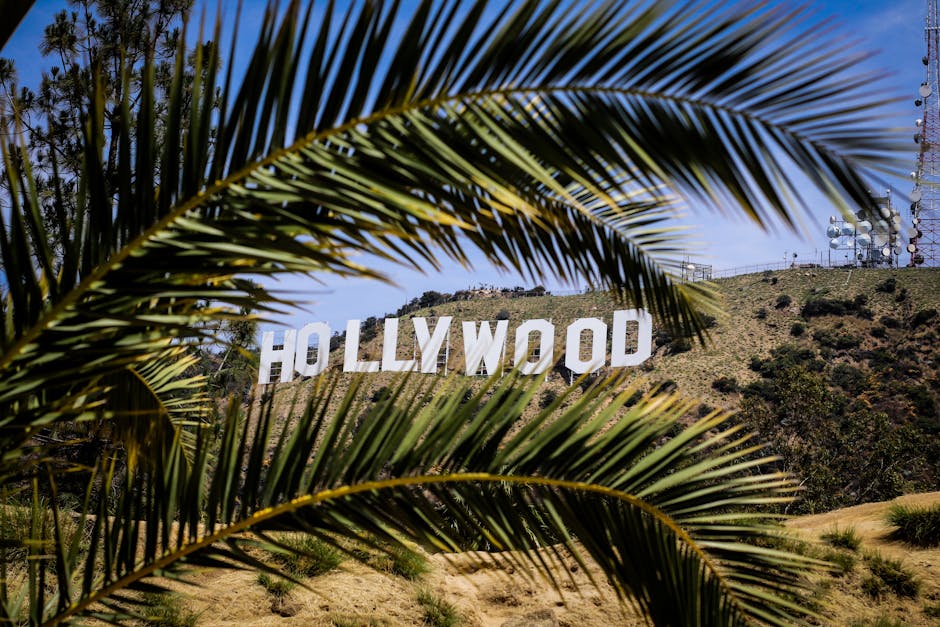
15 Fun Facts About Classic Hollywood

15 Fun Facts About Classic Hollywood

⏱️ 7 min read

The Golden Age of Hollywood, spanning from the 1920s through the 1960s, remains one of the most fascinating periods in cinema history. Behind the glamorous premieres, iconic performances, and legendary films lie countless surprising stories that reveal the ingenuity, eccentricity, and innovation that defined this remarkable era. From groundbreaking special effects to peculiar studio practices, these fascinating details offer a glimpse into the magic-making machine that captured the world's imagination.

Remarkable Revelations From Hollywood's Golden Era

1. MGM's Live Mascot Actually Attacked Its Trainer

The roaring lion that became synonymous with Metro-Goldwyn-Mayer wasn't just a one-time filming. Several lions portrayed Leo over the years, and during one filming session in 1928, a lion named Slats actually attacked its trainer. Despite this dangerous incident, MGM continued using live lions for their iconic logo well into the 1950s. The current digital version is based on footage shot in the 1950s with a lion named Jackie, who survived a plane crash, two train wrecks, an earthquake, and a sinking boat during his lifetime.

2. Judy Garland Was Forced Into Extreme Dietary Restrictions

Studios controlled every aspect of their contract players' lives, including their weight. Judy Garland was given amphetamines to suppress her appetite and maintain her figure, while also being prescribed sleeping pills to counteract the stimulants. This brutal studio system approach to "maintaining" stars contributed to the health problems and substance dependencies that plagued many classic Hollywood performers throughout their lives.

3. The Wizard of Oz's Snow Was Made From Asbestos

In the famous poppy field scene where snow falls to wake Dorothy and her companions, the production used industrial-grade chrysotile asbestos as fake snow. At the time, the health dangers of asbestos weren't widely understood. This same material was used in numerous Hollywood productions during the 1930s and 1940s, creating hazardous working conditions that wouldn't be recognized for decades.

4. Hedy Lamarr Invented Frequency-Hopping Technology

Beyond her status as one of Hollywood's most beautiful actresses, Hedy Lamarr was also a brilliant inventor. During World War II, she co-developed a frequency-hopping signal system intended to prevent torpedo jamming. While the Navy initially dismissed her invention, the technology later became foundational for modern WiFi, GPS, and Bluetooth communications. She received recognition for her contribution to technology only late in life.

5. Alfred Hitchcock's Psycho Was Filmed With Chocolate Syrup

The iconic shower scene in "Psycho" used Bosco chocolate syrup instead of stage blood because it showed up better on black-and-white film. Hitchcock, known for his meticulous attention to detail, tested numerous substances before settling on chocolate syrup for its perfect viscosity and contrast. The scene required seven days to film and used 70 camera setups for just 45 seconds of footage.

6. Clark Gable's Missing Teeth Caused Gone With the Wind Delays

The dashing Rhett Butler had a secret: Clark Gable wore dentures. An infection forced him to have most of his teeth removed in his thirties. During the filming of "Gone With the Wind," his dentures caused him considerable discomfort, affecting his delivery of lines and contributing to production delays. Despite this challenge, Gable remained one of Hollywood's most bankable leading men for decades.

7. Studios Had Fixers to Cover Up Scandals

Major studios employed "fixers" whose sole job was to cover up scandals involving their stars. MGM's Eddie Mannix was perhaps the most notorious, handling everything from drunk driving incidents to suspicious deaths. These fixers worked closely with local police departments and newspapers to suppress stories that could damage a star's reputation or the studio's bottom line, creating a culture of secrecy that protected both criminals and victims from public scrutiny.

8. Charlie Chaplin Once Lost a Charlie Chaplin Look-Alike Contest

In a delightful twist of irony, silent film legend Charlie Chaplin entered a "Charlie Chaplin look-alike" contest in San Francisco during the height of his fame. Despite being the genuine article, he reportedly placed third or twentieth, depending on which account you believe. Chaplin found the experience amusing and demonstrated that his carefully crafted screen persona was so specific that without his costume and makeup, he wasn't immediately recognizable.

9. Shirley Temple Received a Miniature Oscar

When seven-year-old Shirley Temple received an Academy Juvenile Award in 1935, the Academy presented her with a special miniature Oscar statuette. This pint-sized trophy, standing just seven inches tall compared to the standard 13.5 inches, was designed specifically for the child star who had become America's biggest box office draw during the Great Depression. Temple's films generated millions when movie tickets cost just pennies.

10. The Hayes Code Dictated Married Couples Sleep in Separate Beds

The Motion Picture Production Code, enforced from 1934 to 1968, contained strict rules about what could be shown on screen. Married couples had to be depicted sleeping in separate twin beds, and one foot had to remain on the floor during kissing scenes. These absurd restrictions led to creative workarounds by directors and writers, who developed sophisticated methods of implying what they couldn't explicitly show.

11. Tippi Hedren Was Attacked by Real Birds for Five Days

Alfred Hitchcock initially told actress Tippi Hedren that mechanical birds would be used in the attic scene of "The Birds." Instead, he subjected her to five days of live birds being thrown at her, pecking and scratching her. One bird nearly hit her eye, causing a breakdown that halted filming. This traumatic experience exemplified the extreme conditions actors sometimes endured in pursuit of directorial vision during this era.

12. Paramount's Mountain Logo Is Based on a Childhood Memory

The iconic Paramount Pictures mountain logo was drawn by founder William Wadsworth Hodkinson during a meeting in 1914. The design was based on his childhood memories of the majestic Ben Lomond Mountain in Utah. He sketched it on a napkin, and with minor modifications, that same basic design has represented the studio for over a century, making it one of the oldest and most recognizable logos in entertainment history.

13. Bette Davis Named the Oscar Statuette

According to Hollywood legend, actress Bette Davis claimed she named the Academy Award statuette "Oscar" after her first husband, Harmon Oscar Nelson, noting that the rear view of the statuette reminded her of him. While the Academy disputes this origin story and suggests other possible sources, Davis's version became the most popular explanation for how the trophy got its famous nickname.

14. Marilyn Monroe's Dress Was Sewn Onto Her Body

For President John F. Kennedy's birthday celebration in 1962, Marilyn Monroe wore a dress so tight it had to be sewn onto her body. The skin-tight, flesh-colored gown, covered with 2,500 hand-stitched crystals, cost $12,000 at the time. Monroe's breathless performance of "Happy Birthday, Mr. President" in that dress became one of the most iconic moments in entertainment history and demonstrated the extremes to which stars would go for memorable appearances.

15. Hollywood's Chinese Theatre Handprints Started by Accident

The famous tradition of stars leaving their handprints in cement at Grauman's Chinese Theatre allegedly began when actress Norma Talmadge accidentally stepped in wet cement during the theater's construction in 1927. Whether accidental or planned, theater owner Sid Grauman recognized a promotional opportunity and turned it into an enduring Hollywood tradition. Today, over 200 celebrities have left their marks in the forecourt, creating one of Los Angeles's most popular tourist attractions.

The Enduring Legacy of Hollywood's Golden Age

These fascinating facts reveal that Classic Hollywood was far more complex and intriguing than the polished images projected on silver screens. Behind every glamorous premiere and legendary performance lay stories of innovation, exploitation, creativity, and human drama. From dangerous working conditions and controlling studio practices to genuine innovation and accidental traditions, this era shaped not only modern cinema but popular culture as a whole. Understanding these hidden histories enriches our appreciation for the films themselves and reminds us that the magic of movies has always come with a mixture of wonder and harsh reality. The legacy of Classic Hollywood continues to influence filmmaking today, even as the industry has evolved beyond the studio system that defined this golden era.

Top 10 Most Endangered Species in 2025

Top 10 Most Endangered Species in 2025

⏱️ 6 min read

The planet's biodiversity faces unprecedented threats as habitat destruction, climate change, poaching, and human encroachment push countless species toward extinction. While conservation efforts have achieved notable successes, many animals remain on the brink of disappearing forever. Understanding which species are most critically endangered helps focus conservation resources and raises awareness about the urgent need for environmental protection. The following animals represent some of the most vulnerable creatures on Earth, each facing unique challenges that threaten their survival in 2025.

The World's Most Critically Endangered Animals

1. Javan Rhinoceros: Down to the Last Dozens

With fewer than 80 individuals remaining in a single population in Ujung Kulon National Park, Indonesia, the Javan rhinoceros stands as one of the rarest large mammals on Earth. These solitary creatures once roamed throughout Southeast Asia, but habitat loss and poaching for their horns decimated populations. The species faces the additional threat of existing in just one location, making them vulnerable to natural disasters, disease outbreaks, or volcanic activity from nearby Krakatoa. Conservation efforts focus on habitat protection and exploring possibilities for establishing a second population to ensure species survival.

2. Vaquita Porpoise: The World's Rarest Marine Mammal

Fewer than 10 vaquitas remain in Mexico's Gulf of California, making this small porpoise the most endangered marine mammal globally. These shy creatures, measuring just five feet long, are casualties of illegal gillnet fishing for totoaba fish, whose swim bladders are valued in traditional Chinese medicine. Despite fishing bans and conservation initiatives, vaquitas continue to drown in illegal nets. The Mexican government and international organizations have intensified efforts to remove ghost nets and enforce fishing restrictions, but time is running critically short for this species.

3. Amur Leopard: The Rarest Big Cat

Approximately 100 Amur leopards survive in the wild, primarily in the Russian Far East and northeastern China. These magnificent cats, adapted to cold climates with thick fur and pale coats, face threats from poaching, prey depletion, habitat fragmentation, and inbreeding. Conservation programs have shown promise, with populations slowly increasing from a low of just 30 individuals in the early 2000s. Protected areas like Land of the Leopard National Park provide crucial habitat, while anti-poaching patrols and community engagement programs work to secure the species' future.

4. Sumatran Orangutan: Losing Ground in Disappearing Forests

With approximately 14,000 individuals remaining, the Sumatran orangutan faces extinction due to rapid deforestation driven by palm oil plantations, logging, and agricultural expansion. These intelligent great apes, found only on the Indonesian island of Sumatra, require large territories of intact forest to survive. Habitat fragmentation isolates populations, reducing genetic diversity and making orangutans vulnerable to local extinctions. Conservation efforts emphasize protecting remaining forests, creating wildlife corridors, and rehabilitating rescued orangutans, while sustainable palm oil initiatives aim to balance economic needs with conservation.

5. Hawksbill Sea Turtle: Victims of the Illegal Trade

The hawksbill sea turtle population has declined by over 80% in the past century, primarily due to the illegal trade in their beautiful shells, known as "tortoiseshell." These critically endangered reptiles face additional threats from plastic pollution, coastal development destroying nesting beaches, climate change affecting sand temperatures and sex ratios, and entanglement in fishing gear. Found in tropical oceans worldwide, hawksbills play crucial ecological roles in maintaining healthy coral reef ecosystems by consuming sponges. International protection under CITES and local conservation programs work to protect nesting sites and reduce bycatch.

6. Saola: The Asian Unicorn Rarely Seen

Discovered only in 1992 in the Annamite Mountains of Vietnam and Laos, the saola remains so rare that scientists have never observed one in the wild. Population estimates are uncertain, with possibly fewer than 100 individuals surviving. Often called the "Asian unicorn" due to its rarity and distinctive parallel horns, this forest-dwelling bovine faces threats from habitat loss and hunting, often caught in snares set for other animals. The saola's elusive nature makes conservation challenging, with efforts focusing on removing snares, protecting habitat, and using camera traps to gather information about this mysterious species.

7. Philippine Eagle: Majestic Raptor of Vanishing Forests

Fewer than 400 Philippine eagles remain in the wild, inhabiting only four islands in the Philippines. As one of the world's largest and most powerful eagles, this apex predator requires vast territories of primary forest—each breeding pair needs approximately 25-50 square miles. Deforestation has destroyed over 90% of the Philippines' old-growth forests, leaving eagles with fragmented habitats. The Philippine Eagle Foundation leads conservation efforts through captive breeding, habitat restoration, community education, and working with indigenous peoples to protect remaining forests. Shooting and trapping also pose significant threats to this national symbol.

8. Sumatran Elephant: Shrinking Herds in Fragmented Habitats

The Sumatran elephant population has plummeted to fewer than 2,000 individuals, representing a 70% decline over the past generation. These smaller Asian elephants face severe habitat loss as forests are converted to palm oil plantations and agricultural land. Human-elephant conflict intensifies as elephants raid crops, leading to retaliatory killings. Populations are increasingly isolated in small, fragmented patches of forest, limiting genetic diversity and natural behaviors. Conservation strategies include establishing protected corridors between forest patches, mitigating human-elephant conflict through community-based programs, and enforcing laws against habitat destruction and poaching for ivory.

9. Black Rhino: Recovering but Still Critical

While black rhino numbers have increased from their all-time low of 2,400 in 1995 to approximately 6,000 today, they remain critically endangered. Poaching for rhino horn, driven by demand in Asian markets where it's falsely believed to have medicinal properties, continues to threaten populations across Africa. Conservation successes result from intensive protection efforts, including anti-poaching units, translocation programs to establish new populations, and community conservation initiatives. However, ongoing poaching, habitat loss, and political instability in some range countries mean black rhinos require continued vigilant protection.

10. Yangtze Finless Porpoise: China's Freshwater Cetacean in Crisis

Approximately 1,000 Yangtze finless porpoises survive in China's Yangtze River and associated lakes, making them one of the few remaining freshwater cetacean species after the functionally extinct baiji dolphin. These intelligent, smiling porpoises face threats from vessel strikes, entanglement in fishing gear, electrofishing, pollution, and habitat degradation from dam construction and development. The Three Gorges Dam has significantly altered river ecosystems, affecting prey populations. China has implemented fishing bans, established nature reserves, and relocated porpoises to safer habitats, but the species' future remains uncertain as the Yangtze continues to face intensive human use and environmental challenges.

The Path Forward for Conservation

These ten species represent just a fraction of the biodiversity crisis facing our planet, but their stories highlight common themes: habitat destruction, human-wildlife conflict, illegal trade, and climate change. Successful conservation requires coordinated international efforts, adequate funding, community engagement, habitat protection, and addressing root causes like unsustainable consumption. While the challenges are immense, conservation successes demonstrate that with commitment and resources, species can recover from the brink of extinction. The survival of these magnificent creatures depends on actions taken today to protect habitats, combat illegal wildlife trade, and create a sustainable coexistence between human development and wildlife conservation.