









1 / 10 Questions
0 Points

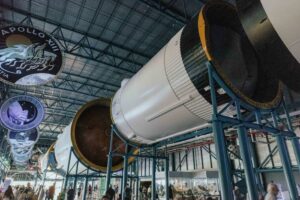
What phrase did Apollo 13 Commander Jim Lovell famously say after the explosion?

Houston, we have a problem

Emergency situation

Mission abort

We have a problem

Points won
0
Correct score
0%

More Quizzes

More Articles

Did You Know? Canada Has More Lakes Than the Rest of the World Combined

Did You Know? Canada Has More Lakes Than the Rest of the World Combined

⏱️ 5 min read

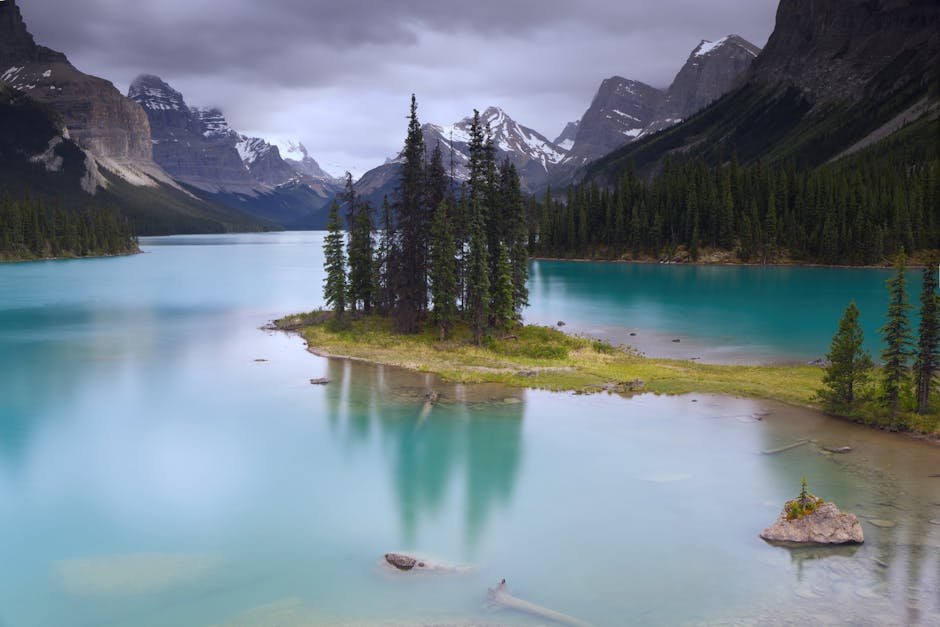
Canada's landscape is dominated by an extraordinary aquatic feature that sets it apart from every other nation on Earth. The country contains an estimated 60% of the world's lakes, a staggering concentration of freshwater bodies that exceeds the combined total of lakes found in all other countries. This remarkable geographic distinction has shaped Canada's environment, economy, and cultural identity in profound ways.

The Numbers Behind Canada's Lake Supremacy

Canada is home to approximately 879,000 lakes that are larger than 10 hectares (24.7 acres) in surface area. When including smaller bodies of water, the number climbs even higher, with some estimates suggesting over 2 million lakes dot the Canadian landscape. To put this in perspective, Finland, often celebrated as the "Land of a Thousand Lakes," actually contains about 188,000 lakes. The sheer abundance of Canadian lakes represents an unprecedented concentration of freshwater resources on the planet.

The Great Lakes region alone, which Canada shares with the United States, contains roughly 21% of the world's fresh surface water. Additionally, Canada possesses numerous massive lakes entirely within its borders, including Great Bear Lake, Great Slave Lake, and Lake Winnipeg, each ranking among the world's largest freshwater bodies.

Geological Origins: Why Canada Has So Many Lakes

The extraordinary prevalence of lakes across Canada is primarily a legacy of the last Ice Age. Between 2.6 million and 11,700 years ago, massive glaciers covered much of what is now Canada. These enormous ice sheets, some exceeding three kilometers in thickness, carved and scraped the bedrock as they advanced and retreated across the continent.

As the glaciers melted approximately 10,000 years ago, they left behind dramatic changes to the landscape. The immense weight of the ice had depressed the earth's crust, while the grinding motion created countless depressions, valleys, and basins. When the ice finally receded, these depressions filled with meltwater, creating the vast network of lakes visible today.

The Canadian Shield, a massive geological formation covering nearly half of Canada's land area, proved particularly susceptible to this glacial activity. This ancient rock formation, dating back billions of years, was scoured and fractured by glacial movement, creating ideal conditions for lake formation. The relatively flat or gently rolling terrain of much of the Shield prevented water from rapidly draining away, allowing lakes to persist.

Regional Distribution of Canadian Lakes

Lakes are not uniformly distributed across Canada but are concentrated in specific regions based on geological and climatic factors. The provinces of Ontario, Quebec, and the three northern territories—Nunavut, Northwest Territories, and Yukon—contain the highest concentrations of lakes.

Ontario alone claims approximately 250,000 lakes, earning its motto "Yours to Discover" special meaning for water enthusiasts. The province's landscape is so dominated by water that certain regions appear more blue than green on maps. Quebec follows closely behind with an estimated 500,000 lakes, though many remain unnamed and unexplored.

The Northwest Territories presents one of the most lake-dense regions on Earth, with lakes covering approximately 20% of its total land area. This territory is home to Great Slave Lake, Canada's deepest lake at 614 meters (2,014 feet), and Great Bear Lake, the largest lake entirely within Canadian borders.

Ecological Significance and Biodiversity

Canada's lakes support remarkable biodiversity and serve as critical habitats for countless species. These freshwater ecosystems host diverse fish populations, including lake trout, northern pike, walleye, and Arctic char. Many lakes provide essential breeding grounds for waterfowl, with millions of ducks, geese, and other birds relying on these waters during migration and nesting seasons.

The lakes also support complex food webs that include aquatic invertebrates, algae, and aquatic plants. Larger predators, such as bald eagles, ospreys, and bears, depend on these lake ecosystems for sustenance. The interconnected nature of many lake systems creates corridors for wildlife movement and genetic exchange among populations.

Furthermore, these lakes serve crucial environmental functions beyond supporting wildlife. They regulate local climates, influence precipitation patterns, and act as natural water filtration systems. The vast surface area of Canada's lakes contributes to regional humidity levels and can moderate temperature extremes in surrounding areas.

Economic and Cultural Impact

The abundance of lakes has fundamentally shaped Canadian economic development and cultural practices. Historically, lakes served as highways for Indigenous peoples and early European explorers, facilitating transportation and trade across vast distances. The fur trade, which drove much of early Canadian commerce, relied heavily on lake and river networks for moving goods.

Today, lakes continue to support important economic activities:

  • Commercial and recreational fisheries generate significant revenue and employment opportunities in many regions
  • Tourism based on lake activities attracts millions of visitors annually, supporting local economies
  • Hydroelectric power generation utilizes lake water to produce clean energy
  • Water supply for municipalities and industries draws from lake resources
  • Cottage and recreational property development around lakeshores represents substantial real estate value

Environmental Challenges and Conservation

Despite the abundance of lakes, these resources face mounting environmental pressures. Climate change affects water levels, temperatures, and ice cover duration, disrupting established ecosystems. Pollution from industrial activities, agricultural runoff, and urban development threatens water quality in many regions. Invasive species introduced through human activities compete with native organisms and alter ecosystem dynamics.

Conservation efforts increasingly focus on protecting these irreplaceable freshwater resources. Government agencies, Indigenous communities, and environmental organizations collaborate on monitoring programs, pollution controls, and habitat restoration projects. The recognition that these lakes represent not just a Canadian treasure but a globally significant freshwater reserve has intensified protection initiatives.

Canada's unparalleled abundance of lakes represents both a natural wonder and a profound responsibility. These waters tell the story of ancient geological processes while supporting modern ecosystems and human communities, making them essential to understanding both Canada's past and its future.

18 Interesting Facts About Friends

18 Interesting Facts About Friends

⏱️ 6 min read

For a decade, six friends gathered at Central Perk and changed television forever. "Friends" became more than just a sitcom—it evolved into a cultural phenomenon that continues to captivate audiences worldwide, even years after its finale. Behind the laughter, memorable catchphrases, and iconic hairstyles lies a treasure trove of fascinating trivia that even devoted fans might not know. From casting decisions that could have altered the show entirely to behind-the-scenes secrets that shaped its success, these remarkable details reveal why this beloved series remains timeless.

Behind-the-Scenes Secrets and Production Details

1. The Original Title Was Much Different

Before becoming "Friends," the show went through several title changes during development. It was initially called "Insomnia Café" and later "Friends Like Us" before producers settled on the simple, memorable name we know today. The original concept also featured the six characters spending time in a coffee house, which remained a central element throughout the series.

2. The Cast Negotiated Salaries as a United Front

In an unprecedented move for television, the six main cast members banded together to negotiate their salaries collectively. By the final two seasons, each actor earned $1 million per episode, making them among the highest-paid television actors at the time. This solidarity ensured equal pay across the ensemble cast and demonstrated their commitment to remaining a true ensemble.

3. The Fountain Scene Was Filmed at 4 AM

The iconic opening credits featuring the cast dancing in a fountain was shot at the Warner Bros. Ranch at four in the morning. The water was reportedly freezing cold, and the cast members were thoroughly uncomfortable during filming. Despite the challenging conditions, this sequence became one of the most recognizable opening credits in television history.

4. Courteney Cox Was the Only Cast Member Not Nominated for an Emmy

Despite being the most famous cast member when the show began, Courteney Cox never received an Emmy nomination for her portrayal of Monica Geller. All five of her co-stars received nominations at various points during the show's run. However, Cox's performance remained beloved by fans and critics alike, proving that awards don't always reflect true impact.

Casting Choices That Changed Everything

5. Jennifer Aniston Almost Couldn't Play Rachel

Jennifer Aniston was committed to another sitcom called "Muddling Through" when she was cast as Rachel Green. The show's creators had to wait to see if that series would be renewed before they could officially bring Aniston aboard. Fortunately, "Muddling Through" was cancelled, allowing Aniston to take on the role that would define her career.

6. Ellen DeGeneres Turned Down the Role of Phoebe

Before Lisa Kudrow secured the role of Phoebe Buffay, producers approached Ellen DeGeneres. DeGeneres declined, stating she didn't want to play a character in an ensemble cast. This decision allowed Kudrow to create one of television's most quirky and memorable characters.

7. Chandler Was Originally Written as a Supporting Character

Matthew Perry's character, Chandler Bing, was initially conceived as a minor role with less screen time than the other five friends. However, Perry's impeccable comedic timing and chemistry with the cast elevated Chandler to equal status, and his sarcastic humor became central to the show's success.

On-Set Romance and Relationships

8. Real-Life Romances Blossomed Behind the Scenes

Jennifer Aniston and David Schwimmer both admitted years later that they had genuine crushes on each other during the first season. However, their timing was always off—when one was single, the other was in a relationship. They channeled this tension into their characters' epic romance, creating authentic chemistry that resonated with viewers.

9. Marcel the Monkey Created Chaos on Set

The capuchin monkey who played Ross's pet Marcel was difficult to work with and frequently disrupted filming. The animal would often refuse to follow directions and created scheduling nightmares. Despite being a fan favorite, Marcel appeared in only a handful of episodes before being written off the show.

Cultural Impact and Legacy

10. "The Rachel" Hairstyle Became a Global Phenomenon

Jennifer Aniston's layered haircut in the show's early seasons sparked a worldwide trend. Millions of women requested "The Rachel" at hair salons across the globe. Ironically, Aniston herself reportedly hated the hairstyle and found it difficult to maintain.

11. The Show Created Its Own Language

Phrases like "We were on a break," "How you doin'?" and "Could I BE any more..." entered popular culture and remain recognizable decades later. The show's writers had a gift for creating catchphrases that felt natural yet memorable, contributing to its lasting linguistic impact.

12. Central Perk Was Based on a Real Coffee Shop

The coffee house where the friends spent countless hours was inspired by Manhattan's coffee culture of the 1990s. While Central Perk was a fictional establishment filmed on a soundstage, temporary real-world versions have opened in various cities, allowing fans to experience the iconic setting firsthand.

Production Challenges and Creative Decisions

13. The Apartment Numbers Changed After Season One

Initially, Monica's apartment was number 5, and Chandler and Joey's was number 4. However, producers realized these numbers didn't make sense for apartments supposedly on higher floors. The numbers were changed to 20 and 19 respectively to maintain logical consistency with the building's layout.

14. Live Studio Audiences Influenced the Show's Evolution

The series was filmed in front of a live audience, whose reactions helped shape the show's comedy. Writers and producers would adjust jokes based on audience responses, and actors fed off the energy in the room. This immediate feedback loop contributed to the show's refined comedic timing.

15. The Final Episode Drew Over 52 Million Viewers

When "Friends" aired its series finale in 2004, more than 52 million people tuned in, making it one of the most-watched television finales in history. The emotional conclusion brought closure to a decade of storytelling and demonstrated the show's massive cultural reach.

Character Development and Storytelling

16. Ross's Son Ben Mysteriously Disappeared

Ross's son from his first marriage appeared regularly in early seasons but was gradually phased out of the show. By later seasons, Ben was rarely mentioned, creating one of the show's most notable continuity inconsistencies. Fans have debated this disappearance, though it was likely a creative decision to streamline storylines.

17. The Creators Knew the Ending From the Beginning

David Crane and Marta Kauffman, the show's creators, had envisioned the series ending with Rachel and Ross together from the very start. Despite the will-they-won't-they tension that lasted ten seasons, the creators maintained their vision for the ultimate conclusion of television's most famous on-again, off-again relationship.

18. Guest Stars Considered It an Honor to Appear

The show attracted an impressive roster of guest stars, from Julia Roberts and Brad Pitt to Robin Williams and Bruce Willis. Many A-list celebrities actively sought roles on the show, viewing an appearance as a prestigious opportunity. Some even accepted scale pay just for the chance to be part of the "Friends" phenomenon.

Conclusion

These eighteen fascinating facts reveal the complexity, creativity, and occasional chaos behind one of television's most successful sitcoms. From casting near-misses that could have changed everything to the genuine friendships that developed among the cast, "Friends" succeeded because of both careful planning and fortunate accidents. The show's enduring popularity proves that great storytelling, memorable characters, and authentic chemistry create something truly timeless. Whether watching for the first time or the fiftieth, fans continue to discover new layers to appreciate in this groundbreaking series that redefined ensemble comedy and remains a cultural touchstone for generations of viewers.