
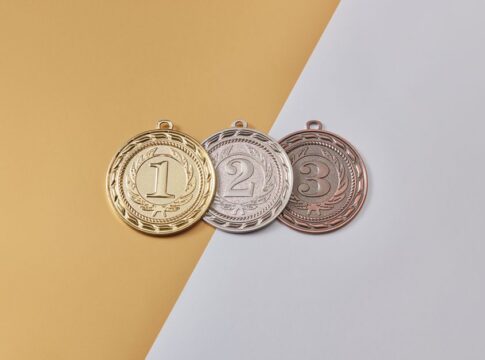
7 Surprising Facts About Olympic Gold Medal Composition
By Trivia Daily, Staff Writer — Published October 9, 2026
Table of Contents
- Key Takeaways
- The Historic Shift: When Olympic Gold Medals Stopped Being Gold
- What’s Really Inside an Olympic Gold Medal
- Frequently Asked Questions
When athletes stand atop the Olympic podium, tears streaming down their faces as their national anthem plays, they clutch what appears to be a solid gold medal. But here’s a surprising truth: that gleaming disc isn’t actually made of gold—at least not entirely. The composition of an Olympic gold medal is one of sport’s most persistent myths, and the reality is far more interesting than most people realize. From silver cores to strict regulations, the story behind these coveted prizes reveals fascinating details about economics, tradition, and the evolving nature of the Games themselves.
The last time the Olympics awarded solid gold medals was over a century ago, and the reasons why tell us as much about world history as they do about athletic competition. Let’s explore the amazing facts and trivia surrounding what’s actually inside those shiny symbols of victory.
Key Takeaways
- Modern Olympic gold medals are mostly silver with a thin gold plating required to be at least 6 grams
- The last solid gold medals were awarded at the 1912 Stockholm Olympics
- Gold medals must weigh at least 500 grams and measure at least 60 millimeters in diameter
- Tokyo 2020 medals were made entirely from recycled electronics donated by Japanese citizens
- A solid gold medal would be worth tens of thousands of dollars at current market prices
- The composition is regulated by the International Olympic Committee to ensure consistency
The Historic Shift: When Olympic Gold Medals Stopped Being Gold
The 1912 Stockholm Olympics marked the last time athletes received medals made from solid gold. Why the change? World War I drastically altered the economic landscape, making precious metals scarce and expensive. The International Olympic Committee recognized that continuing to produce solid gold medals would become financially unsustainable as the Games grew in scale and the number of events expanded.
By the 1920 Antwerp Olympics, the modern composition standard emerged. Gold medals would primarily consist of silver—a more affordable precious metal—with a gold coating. This practical solution allowed the Olympics to maintain the symbolic prestige of gold while managing costs. The decision proved prescient: the 1912 Games featured 102 events, while modern Summer Olympics include over 300 events, each requiring multiple medals for winners and runners-up.
What’s Really Inside an Olympic Gold Medal
According to International Olympic Committee regulations, a gold medal must contain at least 92.5% silver. The remaining composition includes copper and other trace metals. The gold plating must be at least 6 grams of pure gold, though host nations often exceed this minimum. The silver core gives the medal its weight and durability, while the gold exterior provides that unmistakable gleam.
Here’s how the three medal types compare:
| Medal Type | Primary Composition | Minimum Weight | Gold Content |
|---|---|---|---|
| Gold | 92.5% silver, gold-plated | 500 grams | At least 6 grams |
| Silver | 92.5% silver | 500 grams | None |
| Bronze | Copper, zinc, tin alloy | No minimum specified | None |
1. Olympic Gold Medals Are Mostly Silver With a Gold Veneer
The core of every modern Olympic gold medal is sterling silver, the same 92.5% silver composition used in fine jewelry and silverware. This silver base provides structural integrity and the necessary heft that makes the medal feel substantial. The gold plating, applied through electroplating or gilding, must be at least 6 grams but often ranges between 6 and 8 grams depending on the host nation’s generosity. At current precious metal prices, the materials in a gold medal are worth approximately $800 to $900—far less than the tens of thousands a solid gold medal would cost.
2. Tokyo 2020 Medals Were Entirely Made From Electronic Waste
The Tokyo 2020 Olympics (held in 2021 due to the pandemic) achieved something remarkable: every single medal was manufactured from recycled electronics. Japanese citizens and businesses donated approximately 78,985 tons of small electronic devices, including old smartphones, laptops, and digital cameras. From this electronic waste, organizers extracted 32 kilograms of gold, 3,500 kilograms of silver, and 2,200 kilograms of bronze—enough to produce all 5,000 medals for the Games. This initiative demonstrated how sustainability and Olympic tradition could merge, turning discarded gadgets into symbols of athletic excellence.
3. The Minimum Size and Weight Requirements Are Strictly Regulated
The International Olympic Committee mandates that gold and silver medals must measure at least 60 millimeters in diameter and 3 millimeters thick. They must weigh at least 500 grams, roughly the weight of a basketball. These specifications ensure consistency across different Olympic Games, though host nations frequently exceed these minimums. The Rio 2016 gold medals, for example, weighed 500 grams exactly, while some past Games have produced medals weighing up to 576 grams. Bronze medals have no minimum weight requirement, giving designers more creative freedom with this third-place prize.
4. Biting Gold Medals Started as a Legitimate Purity Test
The iconic image of athletes biting their medals has historical roots in genuine metallurgy. Pure gold is relatively soft—softer than human tooth enamel—so biting gold was once a quick field test to distinguish real gold from harder metals like iron or lead. Merchants and miners would bite coins or nuggets; if teeth marks appeared, the gold was likely pure. Today’s athletes bite their medals purely for the cameras, as modern Olympic medals are far too hard to dent with teeth. The silver core would resist any bite marks, making this traditional gesture entirely ceremonial rather than practical.
5. A Solid Gold Medal Would Cost Over $30,000 at Current Prices
If the International Olympic Committee decided to return to solid gold medals meeting current size and weight requirements, each one would contain approximately 500 grams of pure gold. With gold prices fluctuating around $60 per gram, a solid gold medal would cost roughly $30,000 in materials alone—not counting manufacturing, design, and presentation costs. For a modern Summer Olympics with over 300 events, this would mean spending more than $9 million just on gold medal materials. The current composition keeps costs manageable while preserving the symbolic value that matters most to athletes and fans.
6. Each Host City Designs Unique Medals With Cultural Significance
While the composition remains regulated, the design of Olympic medals changes with each Games. Host cities incorporate cultural symbols, architectural elements, and artistic traditions into their medal designs. The obverse (front) of Summer Olympic medals has featured Nike, the Greek goddess of victory, since 1928, though the specific rendering changes. The reverse side offers complete creative freedom. PyeongChang 2018 winter medals featured Korean alphabet characters, while London 2012 medals displayed radiating lines symbolizing energy. This design flexibility allows each Olympic Games to celebrate its unique cultural identity while maintaining the universal prestige of Olympic gold.
7. Athletes Sometimes Sell Their Medals for Charity or Financial Need
Though priceless in sentimental value, Olympic gold medals do occasionally appear at auction. Some athletes sell medals to support charitable causes or during financial hardship. The auction prices far exceed the material value, sometimes reaching hundreds of thousands of dollars, because collectors value the historical significance and the specific athlete’s story. One of the highest prices paid was over $1 million for Jesse Owens’ 1936 Berlin Olympics gold medal. These sales remind us that while the actual gold content is minimal, the cultural and historical significance of these objects transcends their physical composition entirely.
Frequently Asked Questions
How much actual gold is in an Olympic gold medal?
Modern Olympic gold medals contain at least 6 grams of pure gold as plating over a sterling silver core. The total medal weighs at least 500 grams, but only about 1.2% of that weight is actual gold.
When did Olympic gold medals stop being solid gold?
The last solid gold medals were awarded at the 1912 Stockholm Olympics. Economic pressures from World War I and the growing scale of the Games made solid gold medals impractical for future Olympics.
Can you melt down an Olympic medal and sell the metal?
While technically possible, the material value of an Olympic gold medal is only about $800-$900 based on current precious metal prices. The historical and sentimental value far exceeds the scrap metal worth.
Are Winter and Summer Olympic medals made the same way?
Yes, both Winter and Summer Olympic gold medals follow the same International Olympic Committee composition requirements: at least 92.5% silver with a minimum 6-gram gold plating, weighing at least 500 grams.
The next time you watch an Olympic medal ceremony, you’ll know that the gleaming disc represents something more complex than pure gold. It’s a carefully engineered symbol balancing tradition with practicality, sustainability with prestige—a fitting metaphor for the Olympic Games themselves, where human achievement matters infinitely more than the metal composition of the prize.