
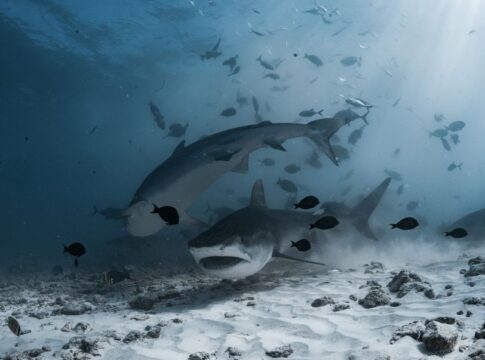
Why Sharks Must Keep Swimming to Breathe Underwater
By Trivia Daily, Animals Desk — Published October 19, 2026
Table of Contents
- Key Takeaways
- Why Sharks Must Keep Swimming: The Science of Ram Ventilation
- How Other Shark Species Breathe Without Swimming
- Comparing Breathing Methods Across Shark Species
- How Constantly-Swimming Sharks Rest
- Implications for Shark Conservation and Captivity
- Frequently Asked Questions
Sharks have prowled the world’s oceans for over 400 million years, outlasting dinosaurs and countless other species. Yet despite their evolutionary success, many shark species face a peculiar biological constraint: they must keep swimming constantly or risk suffocating. This remarkable feature of shark anatomy reveals how these ancient predators have adapted to life in their aquatic habitat, and why some sharks can never truly rest the way other animals do.
The truth behind this swimming imperative lies in how different shark species breathe. While all sharks extract oxygen from water through their gills, the method varies dramatically across the roughly 500 known shark species. Some sharks have evolved a breathing technique called buccal pumping, which allows them to rest on the ocean floor. Others rely entirely on forward motion to push oxygen-rich water over their gills—a process known as ram ventilation.
Key Takeaways
- Many shark species must maintain constant forward motion to breathe through a process called ram ventilation, which forces water over their gills.
- Great white sharks, mako sharks, and whale sharks are among the species that cannot stop swimming without risking oxygen deprivation.
- Some sharks, including nurse sharks and reef sharks, can actively pump water over their gills while stationary using buccal pumping.
- Sharks that require constant swimming have evolved special adaptations to rest portions of their brain while maintaining movement.
- This breathing behavior influences where different shark species live, hunt, and interact within their ocean habitat.
- The necessity to keep moving affects shark conservation efforts, as some species cannot survive in small enclosures or shallow waters.
Why Sharks Must Keep Swimming: The Science of Ram Ventilation
Ram ventilation is an elegant but demanding solution to underwater breathing. Sharks that use this method swim with their mouths slightly open, allowing water to flow in through the mouth, across the gill filaments where oxygen exchange occurs, and out through the gill slits. The faster they swim, the more water passes over their gills, and the more oxygen they extract.
This system works beautifully for active predators that spend most of their time cruising through open water anyway. Great white sharks, for instance, are built for continuous movement. Their streamlined bodies, powerful tails, and energy-efficient swimming style make constant motion relatively easy. Mako sharks—among the fastest fish in the ocean—similarly depend on their speed not just for hunting but for breathing itself.
The downside? These sharks can never completely stop. Even during periods of rest, they must maintain enough forward momentum to keep water flowing over their gills. This creates unique challenges for their behavior and ecology that scientists continue to study.
How Other Shark Species Breathe Without Swimming
Not all sharks face this perpetual motion requirement. Many species have retained or evolved the ability to breathe while stationary through buccal pumping. This technique involves using specialized muscles in the mouth and throat to actively draw water in through the mouth or spiracles (small openings behind the eyes) and push it across the gills.
Nurse sharks excel at this method. You can often spot them resting motionless on the ocean floor during the day, rhythmically pumping water through their gills. Leopard sharks, angel sharks, and many reef-dwelling species share this ability. This breathing style allows these creatures to conserve energy, hide from predators or prey, and occupy ecological niches unavailable to their constantly-swimming cousins.
Some shark species can actually switch between both methods depending on their activity level. When actively hunting or traveling, they may rely on ram ventilation. When resting or moving slowly, they switch to buccal pumping. This flexibility demonstrates the remarkable adaptability of these ancient animals across different situations in their marine habitat.
Comparing Breathing Methods Across Shark Species
| Shark Species | Breathing Method | Can Rest on Bottom? | Typical Habitat |
|---|---|---|---|
| Great White Shark | Ram ventilation only | No | Open ocean, coastal waters |
| Mako Shark | Ram ventilation only | No | Open ocean |
| Whale Shark | Ram ventilation only | No | Open ocean |
| Nurse Shark | Buccal pumping | Yes | Shallow reefs, ocean floor |
| Whitetip Reef Shark | Both methods | Yes | Coral reefs, caves |
| Leopard Shark | Buccal pumping | Yes | Shallow coastal waters |
How Constantly-Swimming Sharks Rest
The question naturally arises: if some sharks must swim continuously, when do they sleep? Research suggests these sharks have evolved fascinating workarounds. Studies indicate that sharks may engage in periods of reduced activity where they swim more slowly and with less awareness of their surroundings—a state resembling sleep while still maintaining the minimum motion needed for respiration.
Some evidence suggests sharks may be capable of unihemispheric sleep, where one half of the brain rests while the other remains alert enough to control swimming. This phenomenon has been well-documented in dolphins and some bird species, allowing these wildlife to maintain necessary functions while still getting rest. While research into shark sleep patterns continues, it’s clear these predators have found ways to balance their need for rest with their respiratory requirements.
Ocean currents also provide some relief. Sharks sometimes position themselves in areas with strong water flow, allowing the current to push water over their gills while they reduce their swimming effort. This behavior demonstrates how these creatures exploit their environment to minimize energy expenditure.
Implications for Shark Conservation and Captivity
Understanding which shark species must keep swimming has serious implications for conservation and aquarium care. Species that require constant motion need extremely large tanks with open swimming areas. Many aquariums struggle to provide adequate space for great white sharks, which rarely survive long in captivity. The Monterey Bay Aquarium has housed juvenile great whites temporarily, but these sharks inevitably needed to be released back into their ocean habitat.
Fishing practices also affect these species differently. Sharks caught in nets or on lines that restrict their movement face immediate danger if they cannot pump water over their gills. Commercial fishing operations and conservation groups have worked to develop shark-friendly practices that minimize harm to these vulnerable creatures.
Climate change and ocean health present additional challenges. As water temperatures rise and oxygen levels in some ocean areas decline, sharks that depend on ram ventilation must swim faster or farther to extract sufficient oxygen—increasing their energy needs in an already demanding lifestyle.
Frequently Asked Questions
Do all sharks die if they stop swimming?
No, only certain species that rely exclusively on ram ventilation would suffocate if they stopped swimming. Many shark species can breathe while stationary using buccal pumping, actively drawing water over their gills without needing forward motion.
What is the largest shark that must keep swimming?
The whale shark—the largest fish species in the world, reaching lengths over 40 feet—relies on ram ventilation and must maintain continuous movement to breathe. Despite their enormous size, these gentle filter-feeders cruise constantly through the ocean.
How fast must a shark swim to breathe properly?
The minimum swimming speed varies by species, but most sharks using ram ventilation can breathe adequately at relatively slow cruising speeds of just a few miles per hour. They don’t need to swim at top speed—just fast enough to maintain water flow over their gills.
Can sharks that must keep swimming ever be kept in aquariums?
It’s extremely difficult and rarely successful long-term. These species require enormous tanks with unobstructed swimming space, and even then, many do not adapt well to captivity. Most institutions focus on displaying shark species that can rest on the bottom instead.
The next time you see footage of a great white shark gliding through the ocean, remember that what looks like effortless cruising is actually a biological necessity. These magnificent predators aren’t just hunting or exploring—they’re breathing, one forward stroke at a time, as their ancestors have done for hundreds of millions of years.