
⏱️ 5 min read
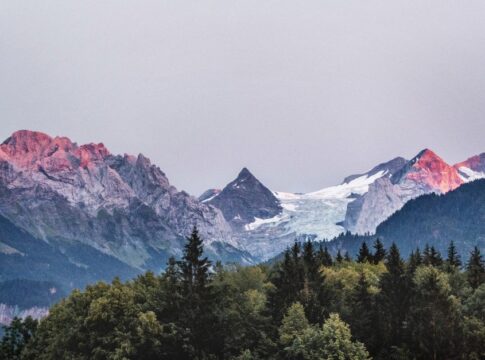
The towering peaks and dramatic valleys that define many of the world’s most spectacular mountain ranges owe much of their character to the relentless work of ice. Over millions of years, glaciers have acted as nature’s sculptors, carving, grinding, and reshaping rock formations into the breathtaking landscapes visible today. These massive rivers of ice have fundamentally altered mountain topography through processes that continue in many regions around the globe, leaving behind distinctive features that tell the story of Earth’s climatic history.
The Mechanics of Glacial Erosion
Glaciers reshape mountains through two primary erosional processes: abrasion and plucking. Abrasion occurs when rocks and sediment frozen into the base and sides of a glacier scrape against bedrock, acting like coarse sandpaper on a massive scale. This grinding action polishes rock surfaces and creates fine sediment known as glacial flour, which gives glacial meltwater its characteristic milky appearance.
Plucking, also called quarrying, happens when glacial ice freezes onto bedrock and literally tears away chunks of rock as the glacier moves forward. This process is particularly effective on jointed or fractured rock, where ice can penetrate cracks and exploit weaknesses in the stone. The combination of these two processes allows glaciers to erode bedrock at rates that can exceed several centimeters per year, exceptionally fast in geological terms.
Cirques: Nature’s Amphitheaters
Among the most distinctive features created by glacial erosion are cirques, bowl-shaped depressions carved into mountainsides. These features form at the head of glaciers, where ice accumulates and begins its downward journey. The rotational movement of ice within these basins, combined with freeze-thaw cycles at the bergschrund—the crevasse separating moving ice from stationary ice—deepens and widens these depressions over time.
Cirques often feature steep, almost vertical headwalls and a raised lip at their lower edge, creating natural amphitheaters that can span hundreds of meters. When glaciers retreat, these depressions frequently fill with water, forming cirque lakes or tarns. Famous examples include the cirques of Colorado’s Rocky Mountains and the spectacular formations found throughout the Alps.
Arêtes and Horns: Sharpening Mountain Ridges
When glaciers carve cirques into opposite sides of a mountain ridge, they create arêtes—sharp, knife-edge ridges that separate adjacent valleys. These dramatic features form as glacial erosion steepens valley walls from multiple directions, leaving only a narrow crest of rock between them. The Garden Wall in Glacier National Park exemplifies this formation, stretching for miles with precipitous drops on either side.
Where three or more cirques erode a mountain from different directions, they can create a horn—a pyramidal peak with steep faces. The Matterhorn in the Swiss Alps represents the quintessential example of this feature, its iconic pointed summit the result of glacial erosion from at least four sides. These dramatic peaks stand as monuments to the erosive power of ice over geological time.
U-Shaped Valleys: Glacial Highways Through Mountains
Perhaps the most recognizable signature of glacial activity is the U-shaped valley. Unlike the V-shaped valleys carved by rivers, glacial valleys have broad, flat floors and steep, nearly vertical walls. Glaciers create these distinctive profiles through their immense erosive power and the way they flow, widening and deepening existing river valleys as they advance.
The transformation from V to U shape occurs because glaciers erode not just the valley floor but also the lower valley walls, grinding away rock across the entire width of the ice mass. Yosemite Valley in California showcases this phenomenon magnificently, its flat floor and sheer granite walls rising thousands of feet demonstrating the profound impact of glacial erosion during past ice ages.
Hanging Valleys and Waterfalls
Glacial erosion doesn’t affect all valleys equally. Main valley glaciers, being larger and more powerful, erode more deeply than tributary glaciers. When the ice retreats, tributary valleys are left “hanging” high above the main valley floor, their streams plunging down as spectacular waterfalls. Yosemite Falls, Bridalveil Fall, and numerous other cascades in Yosemite Valley formed through this process.
These hanging valleys create some of the world’s most dramatic waterfall displays and demonstrate the differential erosive power of glaciers based on their size and ice volume. The height difference between hanging valleys and main valley floors can exceed hundreds of meters, testament to the varying rates of glacial erosion.
Fjords: Where Glaciers Meet the Sea
When glacial valleys extend below sea level and subsequently flood, they create fjords—deep, narrow inlets with steep sides. These features are particularly prominent in Norway, Chile, New Zealand, and Alaska. Some fjords reach depths exceeding 1,000 meters, carved by glaciers that extended far below present sea levels during ice ages.
The formation of fjords required sustained glacial erosion over multiple glacial periods, with ice carving ever deeper into the bedrock. The steep walls and great depths of fjords make them among the most dramatic examples of glacial erosion’s capacity to reshape landscapes.
Depositional Features: Building as Well as Destroying
While glaciers are primarily agents of erosion in mountainous terrain, they also deposit material, creating distinctive landforms. Moraines—ridges of glacial debris—mark the former extent of glaciers. Terminal moraines form at a glacier’s furthest advance, while lateral moraines accumulate along its sides. These features provide valuable records of past glacial extent and help scientists reconstruct ice age climates.
Glacial erratics, large boulders transported far from their source and deposited when ice melts, dot mountain landscapes worldwide. These rocks, sometimes perched improbably on different bedrock types, serve as evidence of former glacial coverage and help geologists trace ice movement patterns.
The Continuing Influence of Glacial Processes
Though many mountain glaciers have retreated significantly in recent decades due to climate change, glacial processes continue shaping mountain landscapes. In regions like Alaska, Patagonia, the Himalayas, and Antarctica, active glaciers still carve bedrock and transport sediment. Understanding these ongoing processes helps scientists predict how changing climate conditions will affect mountain environments and the communities that depend on glacial meltwater. The legacy of past glaciation remains written in stone across mountain ranges worldwide, a testament to ice’s extraordinary power to shape the Earth’s surface.